Pick the Perfect Rug by Following These Practical Tips
A rug is more than just a floor covering; it’s an important design element that sets the tone of a room, enhances comfort, and ties together furniture and décor. Whether you’re redecorating an entire living space or simply trying to refresh a single room, choosing the right rug can make all the difference. But with countless styles, sizes, textures, and price points available, selecting the perfect rug often feels overwhelming.
By focusing on practical considerations such as size, placement, material, and maintenance, you can make a confident choice that adds both beauty and functionality to your home.

Choosing a Rug That Reflects Your Style
The design of a rug should complement your personal taste while balancing the aesthetic of the room. Patterns, colors, and textures play a large role in shaping the mood. For example, bold geometric designs create a modern vibe, while floral or oriental patterns can give your space a more traditional or eclectic appeal.
Consider how rugs interact with your existing furniture. For those seeking unique character and timeless appeal, handmade vintage Turkish rugs offer both artistry and authenticity, becoming heirlooms that tell a story while elevating any interior. A neutral-colored rug with subtle patterns can calm a room that already has bold décor, while a brightly colored or richly patterned rug can serve as a statement piece in a minimalist space.
Sizing and Placement Considerations
Size is one of the most critical factors when choosing a rug. A rug that’s too small may make the space look disconnected, while one that’s too large can overwhelm the room. As a rule of thumb, living room rugs should be large enough to fit under the front legs of your main furniture pieces. Dining room rugs, on the other hand, should extend far enough so that chairs remain on the rug even when pulled out.
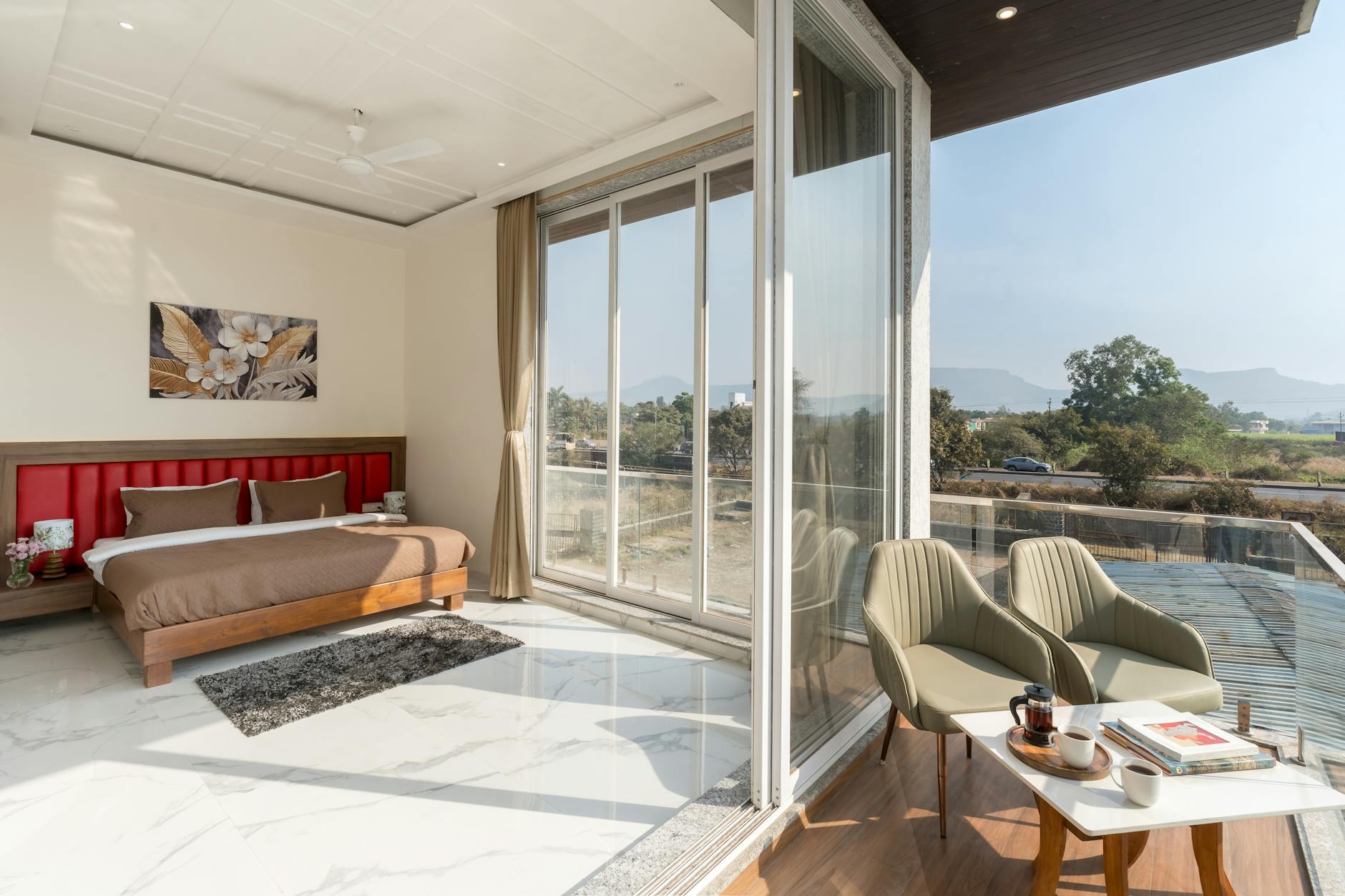
Bedrooms benefit from large rugs that extend beyond the bed, adding warmth and softness underfoot. Runners on each side of the bed can provide the same comfort while introducing design flexibility. Measuring your space before shopping helps ensure that the rug will enhance, rather than shrink or clutter, the room.
Balancing Function and Material
Different rooms call for different rug materials depending on usage and lifestyle. High-traffic areas like entryways, hallways, or living rooms often benefit from durable materials like wool or synthetic blends. These options resist wear and tear while offering comfort and easy maintenance.
For low-traffic areas such as bedrooms or formal sitting rooms, you might opt for delicate, luxurious materials like silk or high-pile wool. Natural fiber rugs like jute or sisal add texture and an organic feel, making them excellent choices for casual spaces. Ultimately, the best rug balances aesthetics with functionality, ensuring it will last while serving its purpose in your daily life.
Layering for Depth and Dimension
One growing trend in interior design is rug layering, where multiple rugs are placed on top of each other to create a sense of depth and texture. A large neutral rug can serve as a base, while a smaller, patterned rug layered on top adds personality. This technique allows homeowners to experiment with mixing colors and textures without overwhelming the space.
Layering offers a budget-friendly way to use smaller, higher-end rugs without needing to cover an entire room with them. By layering strategically, you can highlight a unique rug while still benefiting from the coverage and comfort of a larger base piece.
Considering Maintenance and Longevity
The beauty of a rug should not come at the expense of practicality. Maintenance plays an important role in rug selection for households with children, pets, or heavy foot traffic. Synthetic materials are often stain-resistant and easy to clean, making them practical for busy families. Wool rugs, though more expensive, naturally repel dirt and last for decades with proper care.
Vacuuming regularly, rotating rugs to ensure even wear, and addressing spills immediately are all habits that prolong rug life. For high-quality or delicate rugs, professional cleaning may be necessary from time to time. Considering maintenance needs upfront will help you choose a rug that fits your lifestyle, not just your design preferences.
Coordinating Rugs Across Multiple Rooms
If you’re purchasing more than one rug for different areas of your home, think about how they will work together. While each rug doesn’t need to match, coordinating colors, patterns, or themes can create a sense of cohesion throughout your home. For example, a mix of neutral rugs in varying textures can tie rooms together without being repetitive, while rugs with complementary colors can connect spaces more subtly.
Consistency in design helps maintain flow and prevents the home from looking disjointed. At the same time, don’t be afraid to let each room showcase its unique personality by incorporating rugs that highlight the purpose and mood of the space.
Picking the perfect rug is about more than aesthetics, it’s a thoughtful process that involves balancing style, size, material, maintenance, and how the rug interacts with your home’s design. Whether you choose a neutral staple, a bold statement piece, or a timeless treasure like a handmade vintage rug, the right selection will enhance both comfort and atmosphere.
By following practical tips on sizing, placement, materials, and maintenance, you’ll find a rug that looks beautiful and withstands daily life. A well-chosen rug is more than just décor, it’s a foundation for a home that feels warm, inviting, and uniquely yours.
- Residential Driveway Planning Guide: Materials, Drainage, Installation, and Maintenance - August 20, 2026
- A Flexible Zion National Park Itinerary for Hikers, Families, and Scenic Road Trippers - August 20, 2026
- Persistent Odors Need Source-Level Treatment: FIRESTONE Restoration Provides Professional Ottawa Sanitizing Services - August 20, 2026