When Should You Seek Professional Help for Your Child?
Key Takeaways
- Emotional and behavioral changes are a normal part of childhood, but persistent, intense, or disruptive behaviors may signal underlying challenges that require professional attention.
- Drawing on principles of child psychology helps parents distinguish between typical development and potential mental health concerns.
- Warning signs include prolonged sadness, excessive fear or anxiety, academic decline, physical complaints without medical cause, social withdrawal, extreme mood swings, aggression, and any indication of self-harm or suicidal thoughts.
- Evaluating the duration, intensity, and impact of behaviors provides a practical framework for determining when to seek professional help.
- Early intervention through pediatricians, school counselors, and licensed child psychologists ensures children receive timely support tailored to their unique needs.
- Supporting children at home with open communication, consistent routines, and empathetic guidance complements professional treatment and fosters emotional resilience.
- Acting on concerns promptly can prevent escalation, promote healthy coping strategies, and lay the foundation for lifelong well-being and social success.
Recognizing the Signs of Emotional and Behavioral Challenges
Every child experiences emotional ups and downs as part of healthy development, but sometimes these shifts can indicate underlying challenges that require more than time and patience. Parents often wonder how to distinguish between normal childhood struggles and signs that signal a deeper problem. Early awareness of potential warning signs is key to ensuring that children receive the care and support they need to thrive. Drawing on principles of child psychology, parents and caregivers can better understand emotional and behavioral patterns, helping them identify when professional guidance may be necessary.
It is important to pay close attention to patterns that persist or intensify, even if at first they appear to be typical moodiness or stress. Transparent conversations with children and open communication within the family can help reveal deeper issues before they escalate. Recognizing these changes is the critical first step to getting your child back on track and fostering resilience.
Experts in child psychology concur that children and adolescents are resilient, yet when emotional or behavioral disturbances disrupt daily life for prolonged periods, intervention may be necessary. Understanding what is typical for your child compared with notable changes is essential for making informed decisions about support and care.
Persistent Changes in Behavior
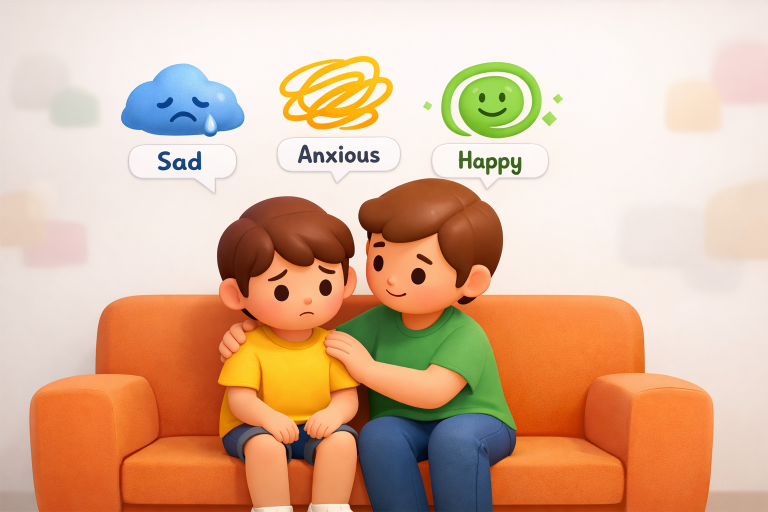
Normal childhood development involves periods of increased emotion or irritability, but symptoms that linger or worsen are a different matter. When a child experiences persistent sadness, frequent tearfulness, or a significant loss of interest in activities for two weeks or longer, professional help is warranted. Excessive fear, worry, or anxiety that interferes with routine activities should also not be dismissed as a passing phase. According to the American Academy of Child and Adolescent Psychiatry, such lasting shifts are among the most important cues for intervention.
Academic Decline and Concentration Issues
One of the earliest signs of emotional or psychological distress in children is a noticeable drop in school performance or difficulty with concentration. If your child suddenly loses motivation for schoolwork, struggles to complete assignments, or demonstrates a sharp decline in grades, it can reflect more than just academic difficulty. As noted by Psychology Today, academic challenges frequently co-occur with mental health symptoms, highlighting the importance of addressing the root cause rather than the academic result alone.
Physical Complaints Without Medical Cause
Frequent complaints about physical ailments such as headaches, stomachaches, or fatigue without a medical explanation may be manifestations of mental health struggles. These physical symptoms can be especially common among younger children who have difficulty expressing emotional distress verbally. If routine checkups do not uncover a physical cause, consider the role of stress, anxiety, or depression.
Social Withdrawal and Isolation
Pay attention if your child consistently withdraws from friends, avoids extracurricular activities, or expresses reluctance to participate in social gatherings. Children who isolate themselves may be dealing with depression, social anxiety, or other underlying challenges. Sudden or increasing isolation is a clear signal for parents to seek guidance and explore what might be at the root of their child’s withdrawal.
Extreme Mood Swings or Aggressive Behavior
Fluctuations in mood are an expected part of childhood, but when mood swings become extreme, or your child exhibits frequent, intense outbursts and aggression, there may be a need for professional assessment. Aggressive or disruptive behavior that damages relationships or disrupts daily routines should be addressed promptly to prevent longer-term consequences on your child’s academic and social life.
Self-Harm or Talk of Suicide
Any statement or sign of self-harm, suicidal thoughts, or plans must be taken extremely seriously. Immediate intervention by qualified mental health professionals is essential. In these situations, do not wait to “see if things improve.” Contact your local crisis line or seek emergency services if necessary to ensure your child's safety.
Steps to Take When Seeking Help
- Consult Your Pediatrician: They can conduct initial screenings for physical or emotional health issues and provide referrals to mental health specialists.
- Engage with School Counselors: School-based professionals can evaluate your child’s behavior in an academic setting and coordinate support services for their emotional needs.
- Find a Licensed Therapist: Seek a child psychologist or psychiatrist trained in working with children and adolescents. They can develop a treatment plan tailored to your child’s unique challenges.
- Join Support Groups: Connecting with other families experiencing similar issues can offer reassurance, collective wisdom, and emotional relief for both parents and children.
Final Thoughts
Monitoring your child’s emotional and behavioral health is one of the best ways to support their overall development and future well-being. Early recognition and professional support can help children better manage and overcome their challenges. Parenting instincts are powerful; if you have ongoing concerns, trust yourself and do not hesitate to reach out for help. Professional assistance can make a transformative difference in your child's present and future happiness.
- Residential Driveway Planning Guide: Materials, Drainage, Installation, and Maintenance - August 20, 2026
- A Flexible Zion National Park Itinerary for Hikers, Families, and Scenic Road Trippers - August 20, 2026
- Persistent Odors Need Source-Level Treatment: FIRESTONE Restoration Provides Professional Ottawa Sanitizing Services - August 20, 2026