
How Dental Implants Are Reshaping Oral Health
Table of Contents
- Introduction
- Advancements in Dental Implant Technology
- The Role of Artificial Intelligence in Implantology
- Biodegradable Coatings and Stem Cell Therapy
- Addressing Peri-Implantitis
- The All-on-4 Technique
- Platform Switching for Bone Preservation
- Conclusion
Dental implants have emerged as a transformative advancement in dentistry, offering improved solutions for individuals coping with tooth loss. Unlike traditional dentures, dental implants provide a stable, lifelong solution that closely replicates the look and function of natural teeth. As more patients seek reliable, comfortable replacements, innovations in the field are making treatments increasingly accessible, particularly for those seeking affordable dental implants. Tooth loss can greatly affect daily life, impacting diet, speech, and even self-image. With conventional dentures sometimes causing discomfort and instability, the precision and durability of modern dental implants represent a significant leap forward in patient care. In the years ahead, the introduction of digital tools, biocompatible materials, and minimally invasive procedures will further transform options for restoring smiles.
Introduction
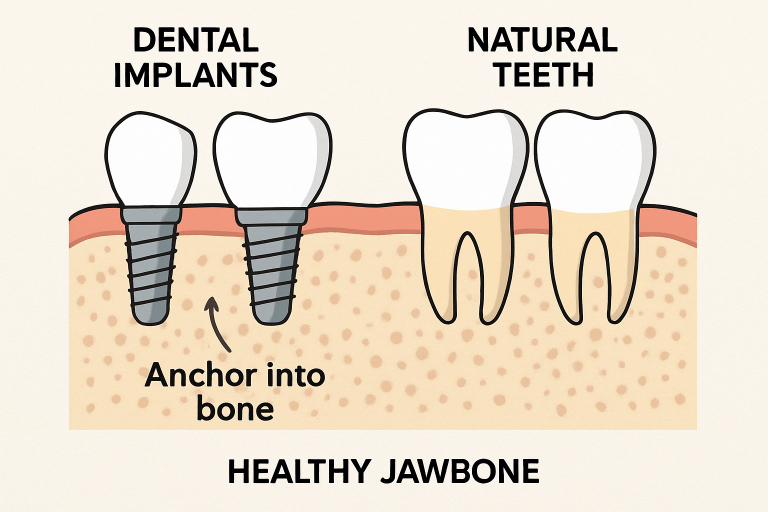
Millions of people struggle with tooth loss, which can result from injury, disease, or aging. Missing teeth not only make eating and speaking difficult but can also lead to jawbone loss over time. Although dentures and bridges have long been used to replace missing teeth, they often do not fully restore comfort, biting strength, or confidence. The rise of dental implants has marked a shift toward more dependable, long-term solutions that prioritize both health and aesthetics. Dental implants are anchored directly into the jawbone, providing unmatched stability compared to removable alternatives. This innovation has improved not just appearance and function but also overall oral health, helping to maintain bone structure and prevent further tooth loss. As patients explore modern implant solutions, expectations have shifted to favor treatments that merge technology, comfort, and natural results.
Advancements in Dental Implant Technology
In recent years, dental implant procedures have benefited from rapid technological advances. Digital dentistry tools, particularly 3D imaging and computer-aided design/manufacturing (CAD/CAM), have raised the standards for accuracy in both diagnosis and placement. Implants can now be formulated and fitted with exceptional attention to each patient's unique jaw structure, reducing risk and improving long-term success rates. These advancements have improved patient outcomes and dramatically reduced recovery times, allowing more people to reclaim their dental health with confidence. The increasing use of guided surgery and digital scans also enables minimally invasive procedures, making the process smoother for both the patient and the clinician. With custom treatment plans and precise placements, complications are minimized and results are often more predictable.
The Role of Artificial Intelligence in Implantology
Artificial intelligence is changing the way dental implant procedures are planned and performed. Dental professionals now use AI to process diagnostic images and analyze complex datasets, thereby enhancing treatment planning and significantly reducing the margin for error. AI-supported platforms can automatically evaluate bone density, identify vital anatomical structures, and recommend optimal implant positions before surgery. By leveraging AI, practices are better equipped to design customized solutions for diverse patient needs, ultimately boosting overall satisfaction and safety.
Biodegradable Coatings and Stem Cell Therapy
Cutting-edge research is uncovering ways to enhance the body’s natural healing response to implants. Scientists are experimenting with biodegradable coatings infused with growth factors and stem cells to accelerate tissue and bone regeneration around the implant. These technologies offer new hope for restoring sensory function and promoting nerve development, an aspect that traditional dental implants typically lack.
Addressing Peri-Implantitis
While dental implants offer lasting benefits, they are not immune to complications. Peri-implantitis, an inflammatory reaction impacting the tissues and bone around an implant, remains a concern. Researchers are developing modular implant systems that make it easier to address these issues if they arise. Newer implant models allow simpler component replacement and maintenance, minimizing the need for further invasive surgery should inflammation occur. This approach not only improves patient quality of life but also extends the lifespan of the implant.
The All-on-4 Technique
For patients who are missing most or all of their teeth, the All-on-4 technique offers an efficient, less invasive approach to full oral rehabilitation. By supporting a complete arch of prosthetic teeth on just four strategically positioned implants, this method eliminates the need for bone grafts in many cases and reduces both costs and treatment times. The All-on-4 approach has grown in popularity due to its ability to restore confident smiles with streamlined care and minimal discomfort. The benefits and considerations for patients considering this method include improved stability and a quicker recovery compared to traditional implant procedures.
Platform Switching for Bone Preservation
Platform switching is a simple yet effective technique that involves placing a narrower abutment on a wider implant base. This design reduces stress at the implant-abutment interface, helping preserve the surrounding bone. As a result, implants remain stable for longer periods,, and patients enjoy improved long-term oral health. The success of platform switching has established it as a valuable strategy in modern implantology, particularly for those at risk of bone loss after implant placement.
Conclusion
Dental implants continue to evolve, blending advanced materials and digital innovations to meet the growing demand for comprehensive tooth replacement solutions. As technology advances, treatments become more precise, patient-centered, and natural-feeling. From artificial intelligence and regenerative therapies to sophisticated surgical methods, today’s dental implants are reshaping expectations and outcomes in oral health. Patients now have greater access to affordable, lasting, and aesthetically pleasing solutions that restore more than smiles, as they restore quality of life.
- Residential Driveway Planning Guide: Materials, Drainage, Installation, and Maintenance - August 20, 2026
- A Flexible Zion National Park Itinerary for Hikers, Families, and Scenic Road Trippers - August 20, 2026
- Persistent Odors Need Source-Level Treatment: FIRESTONE Restoration Provides Professional Ottawa Sanitizing Services - August 20, 2026


