Breathe Easier: A Practical Guide to Improving Your Home’s Indoor Air Quality
Understanding the Unseen: Primary Causes and Health Effects
The air inside our homes can harbor a complex mix of pollutants, many of which are invisible and odorless. Understanding these primary causes and their potential health effects is the first step toward creating a healthier indoor environment.
One major category of concern is Volatile Organic Compounds (VOCs). These are gases emitted from certain solids or liquids and can be found in a surprising number of household products and building materials. Think paints, varnishes, cleaning supplies, air fresheners, and even new furniture or carpeting. The levels of VOCs can be 2 to 5 times higher indoors than outdoors, and sometimes even higher immediately after using certain products.
Radon is another significant indoor air pollutant. This naturally occurring radioactive gas seeps into homes from the ground. It's invisible, odorless, and tasteless, making it particularly insidious. Radon exposure is the second leading cause of lung cancer in the United States, and the leading cause among non-smokers.
Mold thrives in damp conditions and can release spores into the air, triggering allergic reactions and respiratory problems. Leaks, high humidity, and poor ventilation create ideal breeding grounds for mold.
Dust mites, microscopic creatures that feed on dead skin cells, are common allergens found in household dust, bedding, and upholstered furniture. Their waste products are potent triggers for asthma and allergies.
Finally, combustion gases like carbon monoxide (CO) and nitrogen dioxide (NO2) can be released from fuel-burning appliances such as gas stoves, furnaces, fireplaces, and water heaters if they are not properly vented or maintained. Carbon monoxide, in particular, is extremely dangerous because it is odorless and can be fatal.
The immediate health effects of these pollutants can manifest as short-term symptoms like headaches, fatigue, dizziness, nausea, and irritation of the eyes, nose, and throat. For those with sensitivities or pre-existing conditions, these can quickly escalate into allergies or asthma attacks. Prolonged exposure, however, can lead to far more severe and long-term consequences, including chronic respiratory diseases, cardiovascular problems, central nervous system damage, and various types of cancer.
Common Culprits: Identifying Sources of Indoor Pollution
To effectively improve indoor air quality, we must first identify the common sources of pollution within our homes. Many everyday items contribute to the unseen cocktail of airborne contaminants.
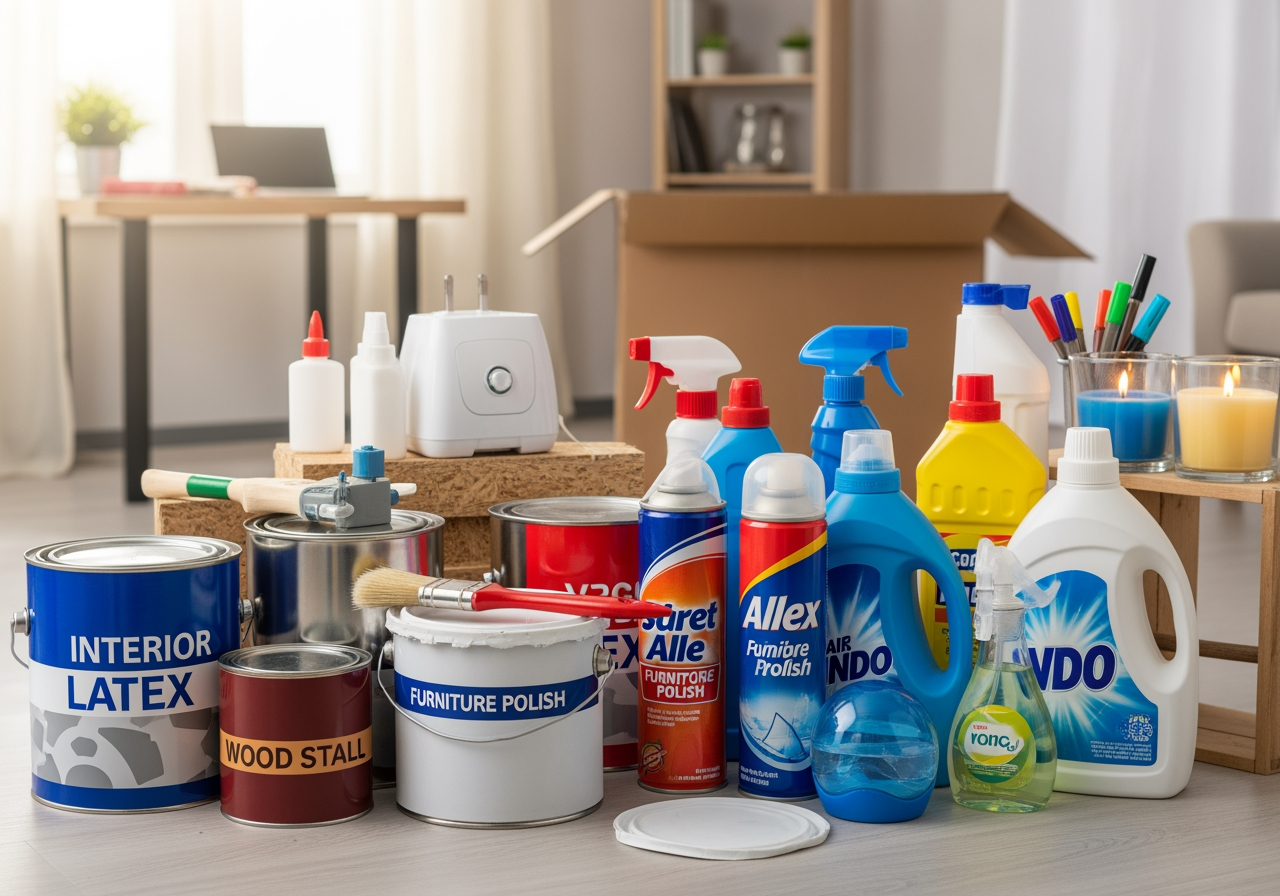
Formaldehyde, a common VOC, is released from composite wood products (like plywood, particleboard, and fiberboard), insulation, glues, and some fabrics. New furniture, cabinetry, and even fresh paint can off-gas formaldehyde for months or years. This is why opting for used furniture or solid wood pieces can sometimes be a better choice, as older items tend to release lower amounts of formaldehyde over time.
Building materials themselves, especially in newer or recently renovated homes, can be significant sources of VOCs. Adhesives, sealants, paints, and flooring can all contribute to indoor air pollution.
Our cleaning products are another major contributor. Many conventional cleaners, disinfectants, and air fresheners contain VOCs and other harsh chemicals that can irritate respiratory systems and contribute to poor indoor air. Choosing natural, unscented, or low-VOC cleaning alternatives is a simple but effective step.
Secondhand smoke (also known as Environmental Tobacco Smoke or ETS) is a well-known health hazard. It refers to the smoke exhaled by smokers and smoke from the burning end of a cigarette, cigar, or pipe. Anyone exposed to secondhand smoke has a higher risk of developing health concerns, including certain types of cancer and respiratory illnesses. Even thirdhand smoke, the residue that settles on surfaces like clothes and furniture, poses a health risk. The best way to mitigate this risk is to maintain a smoke-free home and vehicle.
Pet dander, tiny flakes of skin shed by animals, is a common allergen. Along with pet hair, it can accumulate in carpets, upholstery, and air ducts, circulating throughout the home. Regular grooming and cleaning can help manage this.
Pesticides, used to control pests both indoors and outdoors, can also become airborne and contribute to indoor air pollution. For more information on the risks associated with these chemicals, you can refer to this resource about pesticides.
Historically, asbestos was a common building material. If disturbed, asbestos-containing materials can release microscopic fibers into the air, which, when inhaled, can lead to serious lung diseases, including cancer, decades later. While its use is now regulated, it remains a concern in older homes during renovation.
The Health Toll: Short and Long-Term Consequences
The impact of poor indoor air quality on our health can range from immediate discomfort to severe, life-threatening conditions. The fact that Americans spend an average of 90% of their time indoors underscores the importance of addressing this issue.
In the short term, exposure to indoor air pollutants can lead to:
- Irritation of eyes, nose, and throat: This is a very common initial symptom, often experienced as dryness, itchiness, or a burning sensation.
- Headaches and dizziness: These can be triggered by various pollutants, including VOCs and carbon monoxide.
- Fatigue and difficulty concentrating: Poor air quality can reduce cognitive function and overall energy levels.
- Nausea: Certain chemical exposures can induce feelings of sickness.
- Asthma triggers: For individuals with asthma, indoor pollutants like mold spores, dust mites, pet dander, and VOCs can provoke acute asthma attacks, characterized by coughing, wheezing, chest tightness, and shortness of breath.
- Worsening allergies: Allergic reactions, such as sneezing, runny nose, congestion, and skin rashes, can be exacerbated by airborne allergens.
However, the more insidious effects often appear after prolonged exposure. These long-term consequences can be devastating:
- Chronic respiratory conditions: Ongoing exposure to irritants can lead to the development or worsening of conditions like bronchitis, emphysema, and chronic obstructive pulmonary disease (COPD).
- Heart disease: Fine particulate matter, often found in indoor air, can contribute to cardiovascular problems, including heart attacks and strokes.
- Cancer: Pollutants like radon, formaldehyde, and secondhand smoke are known carcinogens, significantly increasing the risk of various cancers, particularly lung cancer.
- Central nervous system damage: Some VOCs can have neurotoxic effects, leading to long-term cognitive impairments.
- Reproductive issues: Certain chemicals found indoors have been linked to adverse reproductive outcomes.
Vulnerable populations, including children, the elderly, and individuals with pre-existing respiratory or cardiovascular conditions, are at a greater risk of experiencing these health effects.
Here is a list of symptoms commonly associated with poor indoor air quality:
- Persistent coughing or sneezing
- Dry, irritated eyes
- Sore throat or hoarseness
- Nasal congestion or runny nose
- Headaches
- Fatigue or lethargy
- Dizziness
- Nausea
- Skin rashes
- Difficulty breathing or shortness of breath
- Worsening asthma or allergy symptoms
- Unusual odors
The Three Pillars to Improve Indoor Air Quality
Improving the air we breathe indoors is not about a single quick fix, but rather a comprehensive, three-pronged approach built upon fundamental principles: Source Control, Ventilation, and Air Cleaning. Each pillar plays a crucial role, and together, they form a robust strategy for maintaining a healthy indoor environment.
This integrated strategy is often the most effective and cost-efficient in the long run. By proactively managing potential problems, we can prevent health issues, reduce energy consumption, and extend the lifespan of our home systems.
Pillar 1: Source Control – Eliminating Pollutants at the Root
Source control is widely considered the most effective strategy for improving indoor air quality. It focuses on eliminating or reducing the emission of pollutants right where they originate. If a pollutant isn't released into the air in the first place, it can't cause harm.
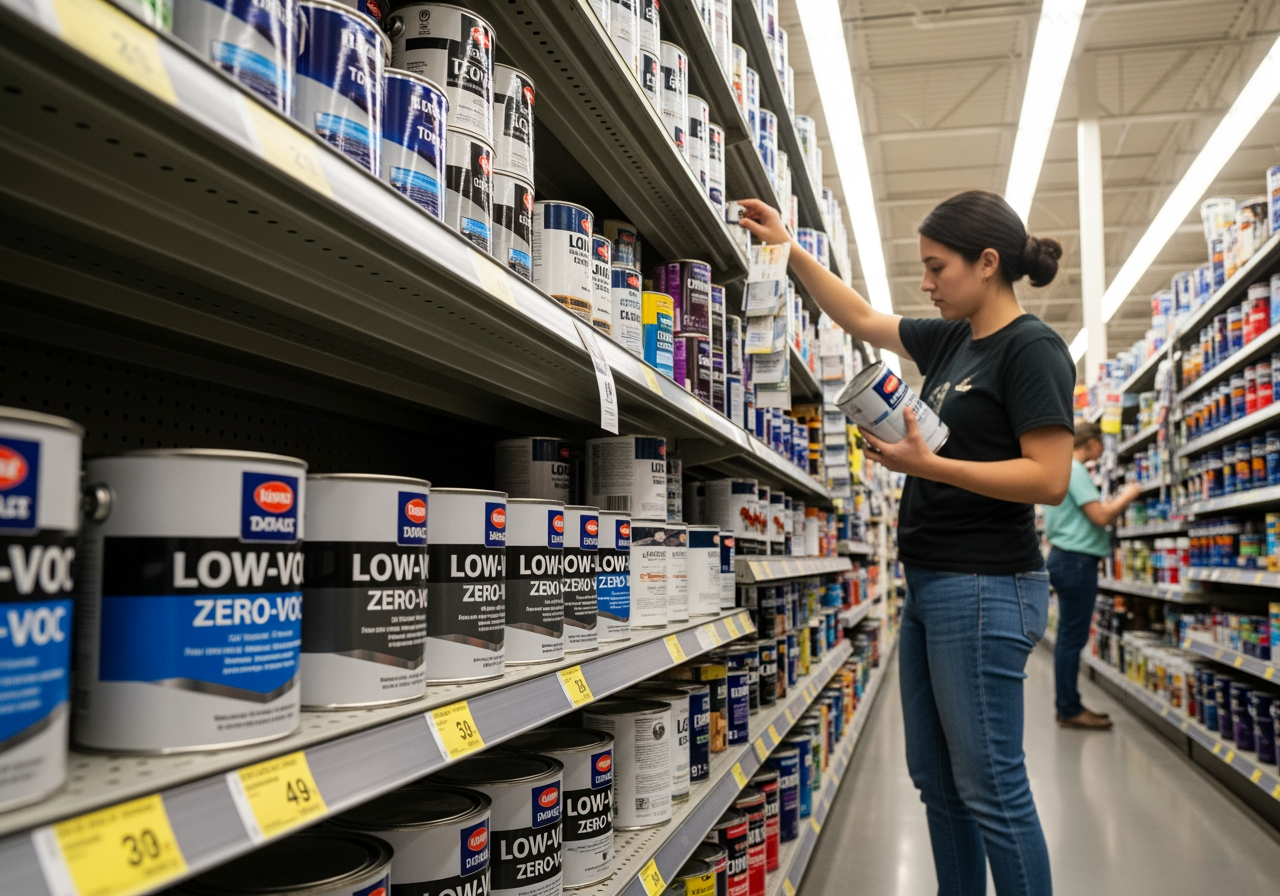
Practical steps for source control include:
- Choosing Low-VOC Products: When painting, renovating, or purchasing new furniture, look for products labeled “low-VOC” or “no-VOC.” This significantly reduces the release of harmful chemicals like formaldehyde into your home. Opting for solid wood furniture over composite wood can also help.
- Maintaining a Smoke-Free Home: The simplest way to eliminate the dangers of secondhand and thirdhand smoke is to prohibit smoking indoors entirely.
- Proper Chemical Storage: Store household cleaners, paints, and other chemicals in tightly sealed containers in a well-ventilated area, preferably away from living spaces. Always follow manufacturer instructions for use and disposal.
- Regular Cleaning: Consistent cleaning routines prevent the buildup of dust, pet dander, and other allergens. This includes dusting with a damp cloth, vacuuming with a HEPA-filtered vacuum, and washing bedding regularly.
- Integrated Pest Management: Instead of relying heavily on chemical pesticides, consider non-toxic pest control methods. For detailed guidance on managing pests without excessive chemical use, you can consult this resource about pesticides.
By focusing on source control, we tackle the problem at its origin, often preventing the need for more extensive air cleaning later.
Pillar 2: Ventilation – Exchanging Stale Air for Fresh
Ventilation is the process of bringing fresh outdoor air into a building while simultaneously expelling stale indoor air. This exchange helps dilute and remove indoor air pollutants, preventing them from accumulating to harmful levels.
There are several ways to improve ventilation:
- Natural Ventilation: The simplest method is to open windows and doors, especially on days when outdoor air quality is good. Cross-ventilation, where windows on opposite sides of the house are opened, can be particularly effective. However, be mindful of outdoor air quality alerts (e.g., during wildfire season or high pollen counts) when opening windows might introduce more pollutants than it removes.
- Mechanical Ventilation: This involves using fans and other systems to control air movement.
- Exhaust Fans: Kitchen and bathroom exhaust fans are crucial. They remove moisture, odors, and pollutants (like cooking fumes or VOCs from cleaning products) directly to the outside. Ensure these fans are vented outdoors, not just into an attic or wall cavity.
- HVAC Systems: While many home heating and cooling systems recirculate indoor air, some advanced HVAC systems can bring in a controlled amount of fresh outdoor air. Regularly changing your HVAC filter is also vital for the air that is recirculated.
- Whole-House Ventilation Systems: These systems are designed to continuously introduce fresh air and exhaust stale air, often with energy recovery features (like Heat Recovery Ventilators or HRVs). For more comprehensive information on these systems, refer to the U.S. Dept. of Energy's resource about whole-house ventilation.
Proper ventilation is especially important during activities that generate high levels of pollutants, such as cooking, showering, or using strong cleaning products.
Pillar 3: Air Cleaning – Filtering Out Contaminants
Even with diligent source control and good ventilation, some airborne particles and gases may remain. This is where air cleaning comes into play, utilizing filters and purifiers to remove contaminants from the air.
- Air Purifiers: Portable air purifiers can be highly effective in specific rooms or areas. When selecting an air purifier, look for models equipped with HEPA filters. HEPA (High-Efficiency Particulate Air) filters are designed to capture at least 99.97% of airborne particles 0.3 microns in size, including dust, pollen, pet dander, mold spores, and even some bacteria and viruses.
- Filter Efficiency and CADR: The effectiveness of an air purifier is often measured by its Clean Air Delivery Rate (CADR), which indicates how quickly the purifier removes pollutants from a room of a certain size. Choose a CADR rating appropriate for the room where it will be used.
- Activated Carbon Filters: While HEPA filters excel at capturing particles, they are less effective against gases and odors. For these, look for air purifiers that also include activated carbon filters, which can absorb VOCs, chemical fumes, and unpleasant smells.
- HVAC Filtration: Your home's central HVAC system can also contribute to air cleaning. Ensure you use high-efficiency pleated filters (e.g., MERV-13 or higher) and change them regularly, typically every 1-3 months, depending on usage and household factors.
- Professional Duct Cleaning: Over time, dust, debris, allergens, and even mold can accumulate within your home's air duct system. This buildup can be recirculated throughout your home every time your HVAC system runs, contributing to poor indoor air quality. Regular, professional duct cleaning improves indoor air quality by removing these contaminants, ensuring that the air circulating through your home is as clean as possible. This also helps your HVAC system run more efficiently.
Air cleaning solutions are a valuable complement to source control and ventilation, providing an additional layer of protection against airborne pollutants.
A Room-by-Room Action Plan for Cleaner Air
Improving indoor air quality is a continuous process that benefits from targeted solutions throughout your home. By adopting practical steps and consistent home maintenance practices in each area, we can significantly reduce pollutants and create a healthier living environment.
How to improve indoor air quality in Living Areas and Bedrooms
These are the spaces where we spend most of our time relaxing and sleeping, making their air quality paramount.

- Regular Dusting: Dust surfaces frequently with a damp cloth or microfiber cloth to capture dust rather than just scattering it.
- Vacuuming with HEPA Filter: Invest in a vacuum cleaner with a HEPA filter and use it at least once or twice a week, especially on carpets and upholstered furniture. This traps fine particles and allergens instead of releasing them back into the air.
- Washing Bedding in Hot Water: Wash sheets, pillowcases, and blankets weekly in hot water (at least 130°F or 54°C) to kill dust mites and remove allergens.
- Dust-Mite-Proof Covers: Use allergen-impermeable covers on mattresses, box springs, and pillows to create a barrier against dust mites.
- Minimizing Clutter: Less clutter means fewer surfaces for dust and allergens to accumulate. Regularly declutter and organize your living spaces.
- Pet Grooming: If you have pets, groom them regularly to reduce shedding and dander. Consider keeping pets out of bedrooms, especially if family members have allergies.
Managing Humidity and Preventing Mold in Kitchens and Bathrooms
Kitchens and bathrooms are prime locations for moisture buildup, which can lead to mold growth and other air quality issues.
- Maintain Optimal Humidity Levels: Aim to keep indoor relative humidity levels between 30-50%. You can monitor this with a hygrometer. High humidity encourages mold growth and dust mites.
- Use Dehumidifiers: In damp areas like basements or bathrooms that lack adequate ventilation, a dehumidifier can help control moisture.
- Use Exhaust Fans: Always use kitchen exhaust fans when cooking and bathroom exhaust fans during and after showering or bathing (for at least 15-20 minutes). Ensure these fans vent directly outside.
- Fix Leaks Promptly: Address any water leaks from pipes, roofs, or windows immediately to prevent moisture accumulation and subsequent mold growth.
- Clean Visible Mold: If mold appears, clean it promptly with soap and water. For larger or persistent mold issues, professional remediation may be necessary. For more guidance on preventing mold and managing related problems, consult this resource about preventing mold-related problems.
Special Focus: Basements, Garages, and Combustion Appliances
These areas often present unique air quality challenges due to potential pollutant sources and structural vulnerabilities.
- Radon Testing: Basements, being below ground, are particularly susceptible to radon gas intrusion. It is crucial to test your home for radon, especially if you have a basement. Low-cost radon test kits are readily available. If high levels are detected, professional mitigation is recommended, which often involves sealing foundation cracks and installing ventilation systems to draw radon out.
- Carbon Monoxide Detectors: Install carbon monoxide detectors on every level of your home, especially near sleeping areas and in areas with fuel-burning appliances. Test them regularly.
- Annual Appliance Inspection: Have all fuel-burning appliances (furnaces, water heaters, gas stoves, fireplaces) inspected and serviced annually by a qualified professional. Ensure they are properly vented to the outside and that flues and chimneys are clear of obstructions. For more information on how combustion appliances impact indoor air quality and necessary precautions, refer to this resource about combustion pollutants.
- Proper Venting: Ensure clothes dryers, water heaters, and other combustion appliances are properly vented to the outside. Never use a cooking stove or oven to heat your home.
- Never Use Generators Indoors: Portable generators produce carbon monoxide and should never be operated inside a home, garage, or any enclosed space, even with windows and doors open.
Special Considerations and Advanced Topics
Beyond the foundational strategies, certain situations and advanced knowledge can further empower us to achieve superior indoor air quality. This includes understanding air quality testing, protecting vulnerable individuals, and debunking common myths.
Testing Your Air and Choosing the Right Tools
While many air quality issues can be addressed through source control and ventilation, sometimes you need to know exactly what's in your air.
- DIY Test Kits: For general screening, various DIY indoor air quality test kits are available. These can help detect common pollutants like VOCs, carbon monoxide, and sometimes mold. While less comprehensive than professional tests, they can provide a good starting point.
- Radon Tests: Given radon's serious health risks, a dedicated radon test kit is highly recommended for all homes. These are typically inexpensive and simple to use, providing crucial information about this invisible gas.
- Mold Tests: If you suspect hidden mold (e.g., musty odors without visible mold), mold test kits can help identify its presence. However, professional assessment is often needed to determine the extent and appropriate remediation.
- Professional IAQ Assessment: For a thorough and accurate understanding of your home's air quality, consider a professional indoor air quality assessment. Experts can identify specific pollutants, their sources, and recommend custom solutions. To truly Ace improve air quality at home, combining professional insights with high-quality air filters and appropriate cleaning supplies can make a significant difference.
Protecting Vulnerable Family Members
Certain demographics are more susceptible to the adverse effects of poor indoor air quality, requiring extra vigilance and custom precautions.
- Children: Their developing respiratory systems, higher breathing rates, and closer proximity to floors where pollutants settle make them particularly vulnerable.
- Elderly: Older adults often have weakened immune systems and pre-existing health conditions, making them more sensitive to air pollutants.
- Individuals with Asthma or Respiratory Conditions: For these individuals, even low levels of irritants can trigger severe symptoms.
- Individuals with Heart Conditions: Fine particulate matter can exacerbate cardiovascular issues.
Extra Precautions:
- Ensure all primary causes of pollution are aggressively controlled.
- Maintain impeccable cleanliness to minimize allergens.
- Prioritize ventilation and air cleaning in their living spaces.
- Creating a “clean air room”: During periods of high outdoor air pollution (e.g., wildfire smoke), designate one room in your home as a “clean air room.” Seal windows and doors, and run a high-efficiency portable air purifier with a HEPA filter to create a refuge from outdoor contaminants.
The Truth About Houseplants and Air Quality
Houseplants are often touted as natural air purifiers, a belief largely stemming from a 1989 NASA study. While that study did show certain plants could remove VOCs in a sealed chamber, the NASA study myth often exaggerates their real-world impact in a typical home environment.
In reality, the volume of air in a home is vastly larger than a sealed lab chamber, and the concentration of pollutants is usually much lower. Therefore, the ability of a few houseplants to significantly “clean” the air in a home is minimal compared to other methods like ventilation and air filtration. A 2019 review suggested that the ventilation already present in most buildings does far more to remove VOCs from the air than indoor plants.
However, houseplants can still offer aesthetic and psychological benefits. If you choose to have them, be mindful of overwatering risks, which can lead to mold growth in the soil, potentially adding to indoor air issues.
Here is a list of plants recognized for some air-cleaning properties, should you choose to incorporate them:
- Peace Lily (Spathiphyllum)
- Spider Plant (Chlorophytum comosum)
- Snake Plant (Sansevieria trifasciata)
- Boston Fern (Nephrolepis exaltata)
- Dracaena (Dracaena deremensis ‘Warneckii')
Frequently Asked Questions about Home Air Quality
We understand that improving indoor air quality can seem like a daunting task. To help clarify some common concerns, here are answers to frequently asked questions.
What are the most impactful first steps to improve my home's air quality?
The most impactful first steps center around ventilation and source control. We recommend starting with these:
- Open windows and doors: When outdoor air quality permits, open windows for at least 10-15 minutes daily to flush out stale indoor air and introduce fresh air.
- Use exhaust fans: Always turn on your kitchen exhaust fan when cooking and your bathroom fan during and after showering. Ensure these fans vent outside.
- Switch to low-VOC products: Gradually replace conventional cleaning products, paints, and air fresheners with low-VOC, natural, or unscented alternatives.
- Regular dusting and vacuuming: Implement a consistent cleaning schedule that includes dusting with a damp cloth and vacuuming with a HEPA-filtered vacuum to reduce allergens and particulate matter.
These actions are often low-cost and can make an immediate difference.
How often should I change my HVAC air filter?
The general recommendation is to change your HVAC air filter every 1-3 months. However, this can vary based on several factors:
- Manufacturer recommendations: Always check your specific HVAC system's manual.
- Filter type: Higher-efficiency pleated filters (e.g., MERV-13) may last longer but should still be checked regularly.
- Household factors: If you have pets, allergy sufferers, or a large household, you may need to change filters more frequently (e.g., monthly).
- Local air quality: During periods of high outdoor pollution (like wildfire season), more frequent changes might be necessary.
- Usage: If your HVAC system runs almost continuously, filters will get dirty faster.
Regular filter changes are crucial for maintaining system efficiency and preventing the recirculation of pollutants.
Are air purifiers a complete solution for bad indoor air?
Air purifiers are a helpful tool in improving indoor air quality, but they are not a complete solution on their own. They are most effective when used as part of a multi-faceted approach that includes source control and ventilation.
- HEPA filters for particles: Air purifiers with HEPA filters are excellent at capturing airborne particles like dust, pollen, pet dander, mold spores, and some viruses.
- Not a substitute for source control: An air purifier cannot effectively remove pollutants if their source is constantly emitting high levels of contaminants. For example, it's better to stop smoking indoors than to rely solely on an air purifier to remove the smoke.
- Not effective for all pollutants: Standard air purifiers are generally not effective for gases like radon or carbon monoxide. For these, dedicated testing and mitigation strategies are required. Activated carbon filters can help with some VOCs and odors, but ventilation remains critical.
Think of an air purifier as a valuable supplement, not a standalone remedy. Combining it with diligent source control and robust ventilation provides the best defense against indoor air pollution.
- Residential Driveway Planning Guide: Materials, Drainage, Installation, and Maintenance - August 20, 2026
- A Flexible Zion National Park Itinerary for Hikers, Families, and Scenic Road Trippers - August 20, 2026
- Persistent Odors Need Source-Level Treatment: FIRESTONE Restoration Provides Professional Ottawa Sanitizing Services - August 20, 2026