Why a Well-Designed Roof is Important for Energy Efficiency
When people think about improving their home’s energy efficiency, they often consider appliances, insulation, or windows. One of the most important but frequently overlooked features is the roof. A well-designed roof plays a critical role in regulating indoor temperatures, reducing energy consumption, and lowering utility costs. As energy costs rise and environmental concerns grow, homeowners and businesses alike are seeking smarter roofing solutions to maximize efficiency. In this article, we will explore how roof design influences energy efficiency and why investing in the right roof can lead to long-term benefits.
The Role of Roof Insulation in Energy Conservation
Insulation is one of the most significant factors in determining how energy-efficient a roof is. A properly insulated roof helps maintain a stable indoor temperature, reducing the need for excessive heating in the winter and cooling in the summer. Without adequate insulation, heat escapes during cold months and penetrates during warm months, forcing HVAC systems to work harder. This increases energy bills and shortens the lifespan of heating and cooling equipment. High-quality insulation materials such as spray foam, fiberglass, or rigid foam boards can drastically reduce energy loss, making the roof a critical barrier against wasteful energy consumption.
Green Roofs and Sustainable Energy Savings
Green roofs are an innovative approach to improving energy efficiency while supporting environmental sustainability. By covering a building’s roof with vegetation and soil, these roofs provide natural insulation, reducing heat absorption in the summer and retaining warmth in the winter. A company that specializes in providing roofing, siding, and window services can guide homeowners in selecting materials and designs that complement green roofing systems, ensuring proper installation and long-term performance. Beyond energy savings, green roofs help manage stormwater, improve air quality, and create urban biodiversity. Their combination of functionality and environmental benefits makes them an increasingly popular solution for sustainable building design.
Reflective Roofing Materials and Heat Management
The type of material used for a roof can dramatically affect how much heat a home absorbs or reflects. Traditional dark asphalt shingles tend to absorb and retain heat, making interiors hotter and less efficient. Reflective or “cool roofing” materials are designed to reflect more sunlight and absorb less heat. Options such as metal roofing with reflective coatings, white membranes, or specially engineered shingles can reduce heat gain in hot climates. By minimizing heat absorption, reflective roofing materials reduce cooling costs and create a more comfortable indoor environment during peak summer temperatures.
Roof Ventilation and Airflow Control
Ventilation is another crucial aspect of roof design that impacts energy efficiency. Without proper ventilation, hot air can become trapped in the attic, raising indoor temperatures and putting additional strain on cooling systems. Effective roof ventilation systems, such as ridge vents, soffit vents, and gable vents, allow hot air to escape and promote healthy airflow. This reduces the risk of moisture buildup, mold growth, and premature roof deterioration. In colder climates, ventilation prevents ice dams by maintaining an even roof temperature. By facilitating airflow, a well-ventilated roof ensures that energy systems operate efficiently while extending the lifespan of the roof and HVAC equipment.
The Impact of Roof Pitch and Design on Efficiency
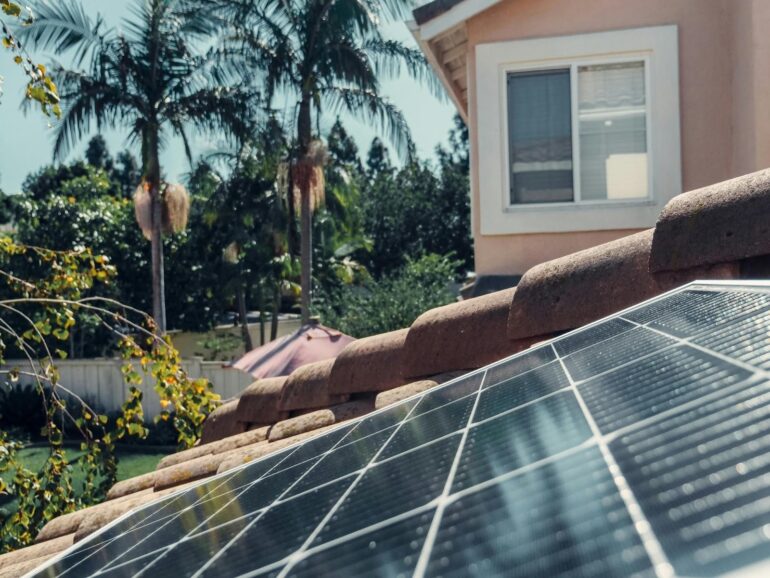
The physical design and slope of a roof play a major role in energy efficiency. Roofs with steep pitches may shed rain and snow more effectively, preventing water damage and ice dams that can compromise insulation. Low-slope or flat roofs are often better suited for installing energy-efficient features such as solar panels or reflective coatings. The orientation of the roof in relation to the sun can influence energy usage. For example, south-facing slopes can maximize solar energy collection, while strategic shading can prevent overheating. By considering roof pitch and layout, homeowners can optimize energy savings and enhance building performance.
Long-Term Savings and Environmental Impact
A well-designed roof has lasting financial and environmental benefits. Reducing the strain on HVAC systems lowers energy consumption and monthly utility bills, saving homeowners thousands of dollars. Energy-efficient roofs reduce greenhouse gas emissions, contributing to a more sustainable planet. With incentives and rebates often available for energy-efficient upgrades, the upfront cost of a well-designed roof can be significantly offset. In the long run, the savings and positive environmental impact make investing in an energy-conscious roof one of the smartest choices homeowners and businesses can make.
The roof over your head is a critical factor in how much energy your home consumes. From insulation and reflective materials to ventilation, green roofs, and smart design choices, every aspect of a roof contributes to its efficiency. By investing in a well-designed roof, homeowners can reduce energy costs, extend the lifespan of HVAC systems, and make a positive environmental impact. As sustainability becomes a priority in modern living, the importance of energy-efficient roofing will only continue to grow.
- Residential Driveway Planning Guide: Materials, Drainage, Installation, and Maintenance - August 20, 2026
- A Flexible Zion National Park Itinerary for Hikers, Families, and Scenic Road Trippers - August 20, 2026
- Persistent Odors Need Source-Level Treatment: FIRESTONE Restoration Provides Professional Ottawa Sanitizing Services - August 20, 2026