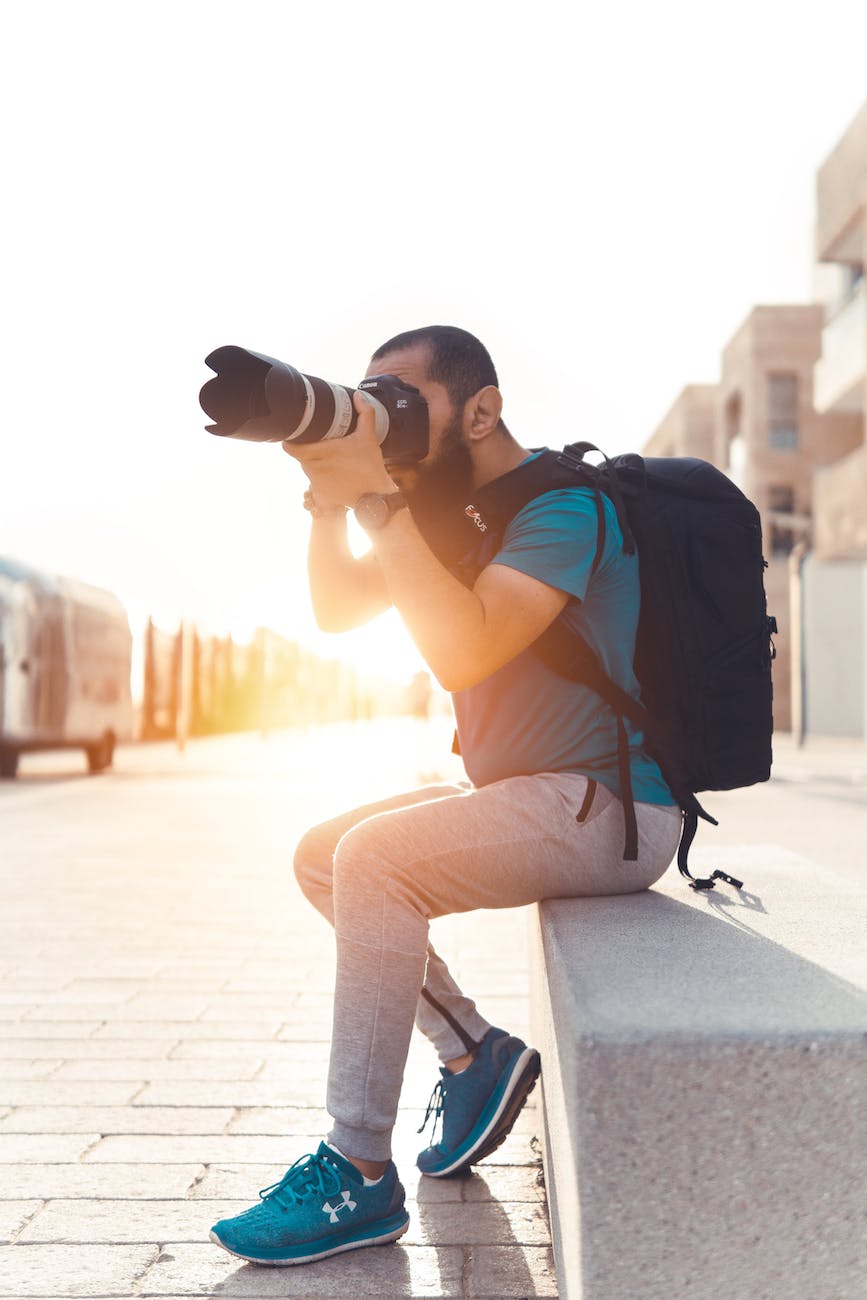
The Blogger’s Kitchen: Tips for Food Photography Success
Did you know that 90% of food bloggers believe that quality photography significantly boosts reader engagement and traffic? In this digital age, your food isn't just a feast for the taste buds and the eyes.
As a passionate food blogger, you understand the power of a captivating image. It's not just about snapping a picture; it's an art form that requires skill, creativity, and patience. Whether you are a seasoned chef or a home cook, your dishes deserve to be showcased in the best light possible.
From lighting tricks that make your dishes pop to composition techniques that tell a story, we'll cover everything you need to turn your kitchen creations into visual masterpieces. Let’s explore how to enhance your photos with editing tools, helping your blog stand out in a crowded digital space. You can also review One Space – Award-Winning Food Photography, Toronto to see amazing food photography!
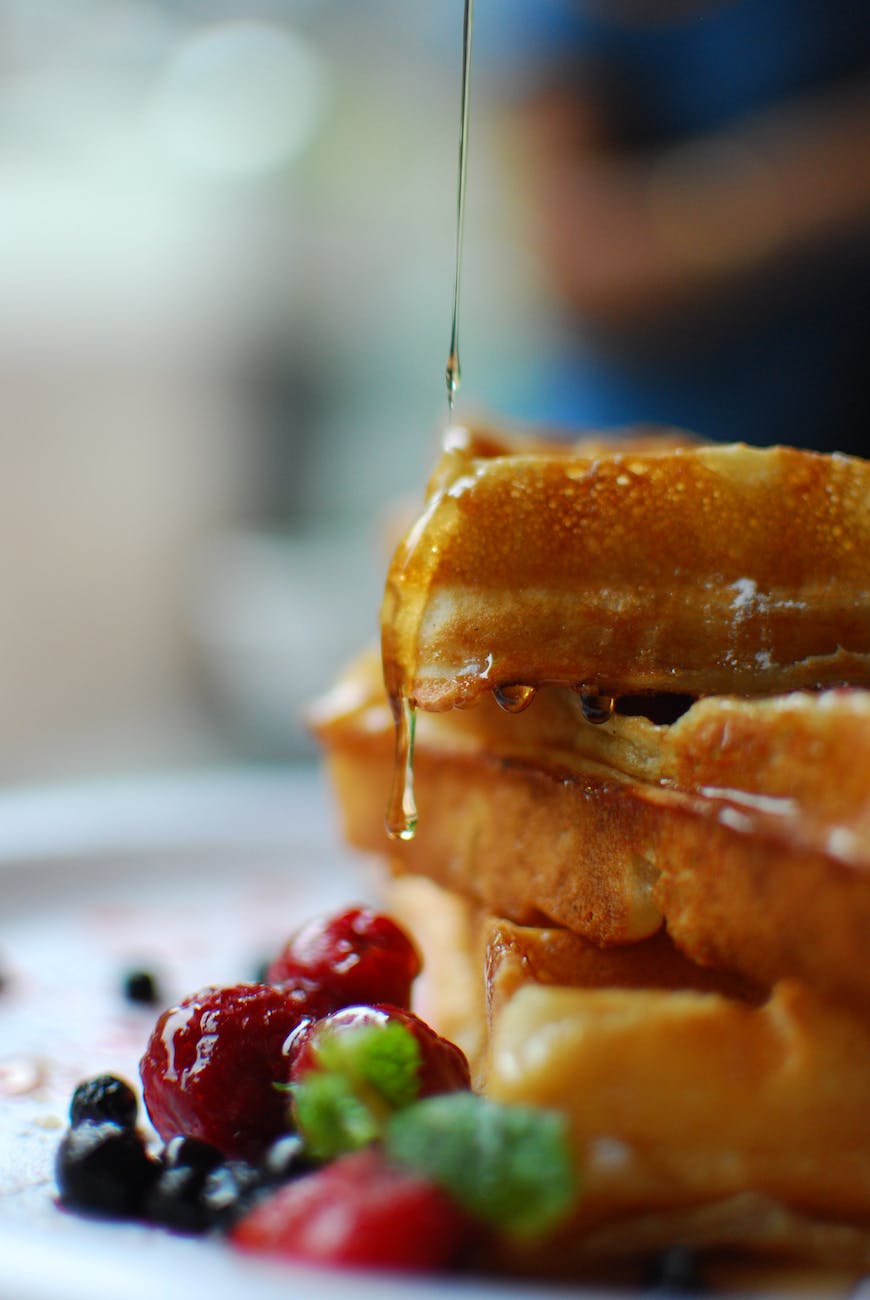
- Mastering the Lighting Tips for Food:
In food photography, lighting is a pivotal factor that can transform a simple plate of food into a mouthwatering experience. Understanding the nuances of lighting is crucial for any aspiring food photographer. The choice between natural and artificial light can dramatically alter the mood and feel of your food photo.
Natural light, often hailed as the best light for photography, brings a soft, authentic glow, making the food look more appetizing. On the other hand, artificial light offers control and consistency, which are vital in professional food photography settings.
Soft, diffused light is the holy grail in this genre. It gently wraps around the food, reducing harsh shadows and highlights, thus enhancing textures and colors. This lighting can be achieved using simple props like a diffuser or a sheer curtain near a window.
When photographing food, it's essential to experiment with different lighting conditions to discover what works best for each dish. For instance, a salad might look vibrant and fresh under bright, natural light, while a pizza could look more tantalizing under warmer, artificial light.
- Crafting Beautiful Compositions:
Crafting beautiful compositions in food photography is an art that requires a keen eye and a creative mindset. Taking great food photos is understanding composition – what makes or breaks an image. The rule of thirds, a fundamental principle, suggests dividing the photo into nine equal parts using two horizontal and two vertical lines. Placing the main elements of your dish at these intersections can lead to a more balanced and engaging photo of the food.
Leading lines are another powerful tool. They guide the viewer's eyes toward the main subject, whether a sizzling plate of food or a meticulously styled dish. Think about the edges of a table or the lines of cutlery directing attention towards your food. Professional food photographers often use these techniques to create depth and interest in their food shots.
A well-composed food photograph showcases the dish and tells a story. Whether shooting a rustic loaf of bread or an elegant dessert, the composition can elevate your food photography journey.
- Beginner Styling Techniques for Food Photography:
How you style your dish can make all the difference in food photography. It's an art form that combines aesthetics with culinary appeal, turning a simple meal into a visual feast. To start your food photography journey, focus on selecting props and backgrounds that compliment your food. Think about how gray cabinets can provide a neutral yet elegant backdrop that allows the colors of the food to pop.
In arranging your dish, consider the depth of field to draw attention to the main element. Food styling involves not just the dish itself but also the context. Add garnishes strategically, not just for color, to suggest freshness and enhance the dish's appeal. Less is often more in professional food photography.
Creating different moods through styling can be achieved by playing with lighting and shadows. The best food photography tips suggest using natural light to achieve soft, diffused shadows, giving a more organic feel. Contrast this with a sharper light for a dramatic effect, emphasizing texture and details.
- Essential Equipment for Food Photography:
Regarding cameras for food photography, both DSLRs and mirrorless models offer versatility and quality. The depth of field they provide ensures your food stands out crisply against a softened background, an essential food photography tip for beginners.
Lenses matter, too. A macro lens, for instance, is perfect for food photography, allowing you to capture detailed close-ups, emphasizing the textures and colors of the food. For those on a budget, there are affordable lenses that won't compromise on quality, keeping your food photography tips and techniques well within reach.
Be aware of accessories like tripods and remote triggers. A sturdy tripod stabilizes your camera, which is essential for shooting in natural light and maintaining consistency in your food photography lighting. Remote triggers, meanwhile, enable you to take shots without disturbing the camera, ensuring sharp, clear food photographs. These easy food photography tips and budget-friendly recommendations can help improve your food photography, making it a truly satisfying experience.
- Props and Backgrounds: Improve Your Food Photos:
Props and backgrounds can bring life to every food shot, telling a story and adding context. Imagine photographing a rustic loaf of bread; pairing it with a vintage knife and a wooden cutting board instantly transports the viewer to a countryside kitchen. This is the art of food photography, where every element plays a pivotal role.
Choosing the right background is equally crucial. For instance, a sleek, black slate makes a striking contrast for vibrant, fresh sushi, exemplifying one of the best food photography tips. The background should complement the food you're capturing, not compete with. It's about striking a balance where the food stands out, yet the background ties the scene together.
Effective prop and background combinations require a thoughtful approach. A classic example is using aged wood and natural textiles for hearty, home-cooked meals, which resonates with the warmth and comfort of the dish.
- Post-Processing Magic: Food Photography Tips:
Post-processing plays a pivotal role in transforming a good photo into a culinary masterpiece. It's where food photography tips meet technology, bridging the gap between camera and canvas. Utilizing software like Adobe Lightroom or Photoshop, photographers can elevate their images beyond the constraints of the camera.
Color correction is essential. Food photography often hinges on presenting the most appetizing color palette. Adjusting the white balance ensures that every food item displays its true colors, making dishes look as delicious on-screen as they do on the plate.
Contrast adjustment is crucial. This step helps to separate the food from its background, highlighting texture and depth. It's a fine balance; too much contrast can make the food look unnatural, while too little can leave the image flat.
Sharpening is the finishing touch. It brings out the intricate details, like the glistening of water on fresh produce or the delicate crumbs on baked goods. But, remember, subtlety is key. Over-sharpening can lead to unnatural edges and a loss of the authenticity that makes food photography so appealing.
- Building Your Brand Through Consistency:
Building a brand in food blogging creates a unique identity that resonates with your audience. Consistency is key. When it comes to food photography, maintaining a consistent style can significantly elevate your brand. Whether it's the lighting tips you swear by or the specific camera to take those appetizing shots, every element plays a role in defining your brand.
Consider the world of food photography tips to help you: using the same filter or color scheme can make your photos instantly recognizable. This approach is not just about the best food photography tips; it's about creating a signature look. Take inspiration from successful food bloggers who have mastered this art. Their food photographs are more than just images; they reflect their brand's story and ethos.
Such branding creates a profound impact on audience recognition and loyalty. When followers see a photo, they should immediately associate it with your blog. It's not just about taking great food photos; it's about creating an identity. A consistent branding strategy ensures your content doesn't just stand in food photography; it stands out in every aspect of your online presence.
- Telling Stories with Your Food Photography:
Telling stories through food photography transcends merely taking good pictures of food; it's about weaving a narrative that resonates with every viewer. Consider this: every food item has a journey from its origin to the plate. Capturing this journey, whether it's the freshness of ingredients or the warmth of a home-cooked meal, adds a layer of emotion to your photos. Food photography tips often emphasize the technical aspects, but the heart of your image lies in its story.
Imagine a rustic loaf of bread, the crumbs artfully scattered. This simple scene can evoke feelings of comfort or memories of a family gathering. It's not just about focusing on the food; it's about the emotions it elicits. Food photographers use various techniques to enrich their narratives. The angle, such as shooting directly above the food, can signify a diner's perspective, inviting the audience to partake in the meal. Photography props, like an old family recipe book beside the dish, can hint at heritage and tradition.
Connecting with your audience on a personal level is key. Your passion for food should reflect in your photography, allowing viewers to see and feel your story. The best food photography doesn't just showcase a dish; it tells a tale, making the viewer pause and ponder, forging a connection beyond the plate.
- Guide to Food Photography: Practice and Patience:
Every master was once a beginner. The key to excelling in this art form, whether shooting delectable photos of food or capturing the perfect food photography backdrops, lies in unwavering practice and patience. This isn't just about taking pictures; it's about crafting a story around beautiful food.
Consider the journey of Emma, a renowned food photographer. Initially, her food images could have stood out more. She needed help getting the proper lighting, making her food look great, and finding her unique photography style. However, Emma didn't step away from the food; she leaned in. Through continuous learning and experimenting with different types of photography, she slowly transformed her passion into a profession.
Your path, too, might be laden with challenges. The photos of food create harsh reflections, or the colors don't pop as you'd like. But, like Emma, it's crucial to embrace these hurdles.
Each photograph you take is a step towards mastery. With dedication, your food will look not just good but captivating. So, take your food photography seriously, but also enjoy the process. Let each click be a learning curve.
- Staying Up-to-Date with Trends:
Like other types of photography, food photography evolves continually, with new styles and techniques emerging regularly. To capture the perfect food shots, it's essential to keep your finger on the pulse of current trends.
A great way to stay informed is by following renowned food photographers and blogs guiding food photography. These resources often share valuable food photography tips to help you adapt and innovate. Social media platforms, particularly those focusing on visual content, are treasure troves of inspiration and the latest in food with water or other unique elements.
Experimentation is key in shooting food photography. Try new approaches or incorporate unconventional elements into your food photographs. Remember, what stands in food photography today might become a mainstream trend tomorrow. Being open to innovation enhances your skills and ensures your food photographs stand out. As the saying goes, in photography, as in cuisine, variety is the spice of life!
Mastering the art of lighting is critical, as it ensures your food doesn't create harsh reflections or suffer from funny-looking fall-offs. A focus on crafting beautiful compositions and styling techniques elevates the ordinary to the extraordinary, making your food look like a professional chef plated it.
Using the right camera to take good pictures is just as important as the dish itself. Your arsenal of essential equipment, complemented by creative props and backgrounds, can significantly enhance your photos of food. However, the journey doesn't end at the click of the camera. Post-processing magic is a valuable skill, helping to refine and perfect your images.
Consistency in your approach helps build your brand, while storytelling adds depth and personality to your photography, making your food seem inviting. Remember, the path to mastery in food photography, like most photography situations, is paved with practice and patience. Keeping up-to-date with trends ensures that your approach to photographing the food stays fresh and relevant.
Armed with these food photography tips and tricks, from lighting to post-processing and storytelling to trendspotting, you're well on your way to capturing beautiful food photos that stand out in the crowded food blogosphere. Whether you're a beginner or looking to refine your skills, these tips for taking great food photos will guide you to success in the vibrant world of food photography.
- Residential Driveway Planning Guide: Materials, Drainage, Installation, and Maintenance - August 20, 2026
- A Flexible Zion National Park Itinerary for Hikers, Families, and Scenic Road Trippers - August 20, 2026
- Persistent Odors Need Source-Level Treatment: FIRESTONE Restoration Provides Professional Ottawa Sanitizing Services - August 20, 2026