The Role Of An Ophthalmologist
Eye health is an important aspect of our overall health, it’s crucial that you look after your eyes the best you can. If you’re someone that wants to know more about eye care, you may be interested in the role of an ophthalmologist and the service they provide to keep your eyes healthy and thriving.
For those seeking clarity on your vision health, understanding the crucial role of an ophthalmologist can be enlightening and overall beneficial. In this blog post we will be delving into what an ophthalmologist does, when to seek their expertise.
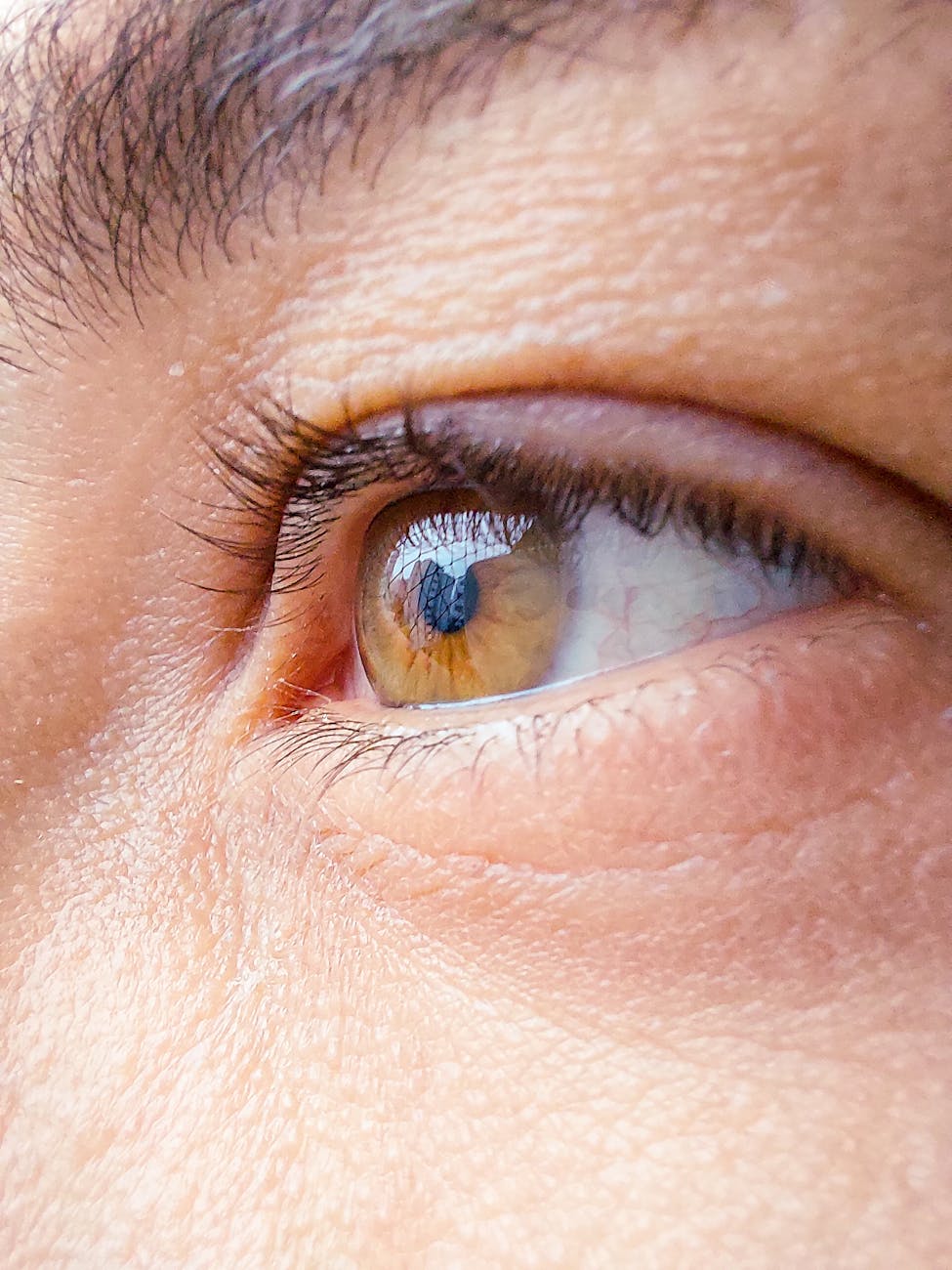
What does an ophthalmologist do?
An ophthalmologist is a doctor that specialises in diagnosing and treating eye conditions. The difference between an ophthalmologist and an optician is that ophthalmologists are eye doctors who are specially trained to perform a wide range of medical and surgical interventions to maintain, restore and enhance vision.
Below are some examples of what an ophthalmologist can do.
Medical eye examinations
Ophthalmologists conduct comprehensive eye examinations to detect and diagnose a wide range of eye conditions. They pay close attention to every aspect of eye health, from visual acuity and refractive errors to early signs of more serious conditions such as glaucoma, cataracts, and age-related macular degeneration (AMD).
Performing surgical procedures
One of the key areas of ophthalmology is the surgical aspect. Ophthalmologists have the ability to perform eye surgeries, such as retinal detachment or cataract removal. Their surgical expertise is vital in restoring sight and preventing blindness.
Treatment of eye diseases
Another way in which ophthalmologists help care for the eyes is through treating a variety of eye conditions and diseases. From prescribing eyeglasses and contact lenses to administering medications for eye diseases, ophthalmologists cover a broad spectrum of treatments.
Ophthalmologists help to manage chronic conditions like diabetic retinopathy and provide emergency care for pressing issues such as eye injuries.
When should you see an Ophthalmologist?
Knowing when to consult an ophthalmologist can make a significant difference in your eye health outcomes. Here are some examples of when you should visit your opthalmologist.
Regular eye examinations
Despite having no concerns with your eye health, regular eye exams with an ophthalmologist are recommended. Adults should ideally have a comprehensive eye exam every 2 to 4 years, while those over the age of 60 should visit once a year.
Vision problems
If you experience sudden changes in vision, such as blurriness, double vision, or loss of vision in any way, it’s essential to see an ophthalmologist immediately. These symptoms may indicate a serious underlying condition.
Eye pain or discomfort
Redness, eye pain and discomfort can be signs of a serious underlying eye health condition. If you experience these symptoms it’s important you visit your ophthalmologist as soon as possible.
Family history of eye conditions
If you have a family history of common eye diseases such as glaucoma, macular degeneration, or diabetes-related eye problems, regular visits to an ophthalmologist are even more crucial. Early detection and intervention can help manage these risks effectively.
- Residential Driveway Planning Guide: Materials, Drainage, Installation, and Maintenance - August 20, 2026
- A Flexible Zion National Park Itinerary for Hikers, Families, and Scenic Road Trippers - August 20, 2026
- Persistent Odors Need Source-Level Treatment: FIRESTONE Restoration Provides Professional Ottawa Sanitizing Services - August 20, 2026