The Psychology of Wall Art: How Paintings Can Affect Your Mood
If you're thinking of redecorating, you have an entire world of options to choose from. Flooring, furniture, and wall textures and colors give you a good foundation to start with. From there, functional pieces like shelves and entertainment centers can also add a certain amount of decorative appeal. Then, the choices really begin to expand. At this point, the market for home decor is so vast, it can be intimidating to even seasoned professionals.
Sticking With the Classics
Though there are countless pieces of home decor to choose from, some of the most popular and appealing options are classics. Those include paintings. They've been a part of people's homes for centuries, and they'll continue to be for centuries to come. You can completely change the look of a room by placing fantastic art above bed or a simple painting over your fireplace. That being said, the paintings you choose can have a profound impact on your mood and the atmosphere of your home.
Exploring the Ways Paintings Can Influence Your Mood
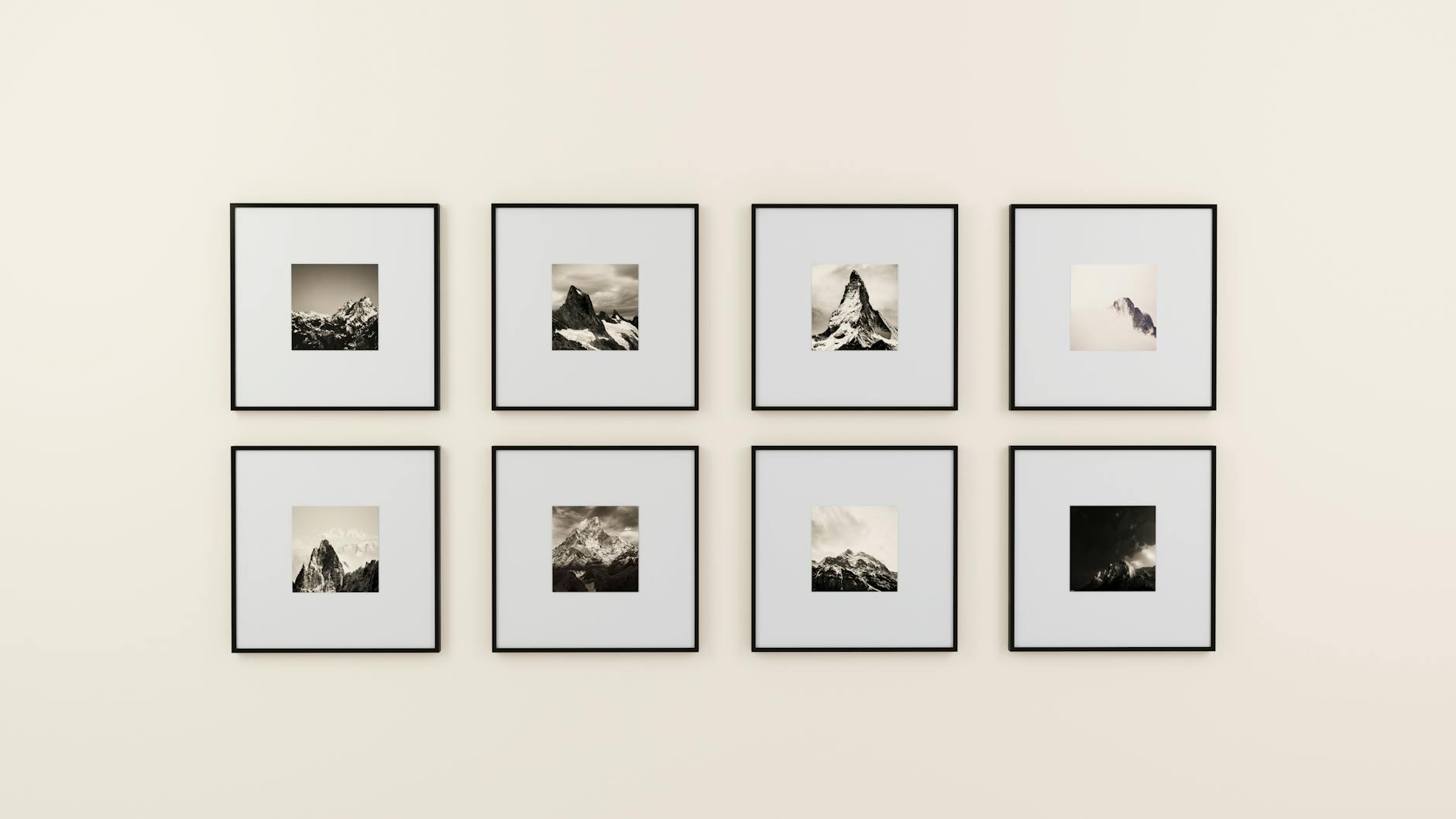
Obviously, one of the main ways paintings affect people's moods is through their subject matter. In other words, what's in the picture conveys its message to everyone who looks at it. If the painting depicts a beautiful, serene mountain setting, it'll most likely calm your nerves and make you feel at peace. On the other hand, a wild abstract may give off a more energetic vibe. Something like Francisco de Goya's Saturn Devouring His Son may leave you with feelings of dread and melancholy. That's only one aspect to think about, though.
Colors
Colors can have a major impact on your mood as well. That's the case with every decorative element in your home, and paintings are no exception. Oranges and yellows incite excitement, energy, and passion. Blues, greens, and purples are soothing and relaxing. Green is even said to spark some people's creativity. Red can invoke feelings of anger or fear. Neutral colors are often calming. When those colors come together in paintings, they can create entirely new effects that are unique for each piece and person who sees it.
Technique and Texture
Different painting techniques can affect people in different ways too. Long, flowing brush strokes may be calming and comforting. They can make people feel more relaxed. Paintings with thick paint and short, choppy brush strokes usually generate more amped-up, chaotic feelings. Paintings with a great deal of texture may make a room feel smaller whereas those with less texture make a space feel more airy. That, too, can alter the way people feel when they're in a room.
Personal Experiences
Besides the colors, textures, and basic subject matter of a painting, there are personal elements to consider. A painting that reminds you of a pleasant experience is likely to bring up nostalgic feelings and happy memories. One that reminds you of a negative experience will have the opposite effect. With that being the case, a painting that has a positive influence on you may not have the same impact on other people.
Finding the Right Wall Art for Your Home
Paintings can influence people's moods in a variety of ways. Their colors, textures, subject matters, and the techniques used to create them all factor into their impacts. At the same time, the effects they have on people can be extremely personal. Think about the effects of each of these elements as well as the impact they may have when they all come together to help you find the perfect paintings for your home.
- Enhancing Property Value and Curb Appeal with Professional Pressure Washing - April 17, 2026
- How Dental Implants Are Reshaping Oral Health - April 17, 2026
- When Should You Seek Professional Help for Your Child? - April 17, 2026