Read the Mixing Verb Before Choosing a Tool
Our guides are independently written. Some shopping links may earn us a commission when identified as affiliate links, at no extra cost to you. Read our disclosure.
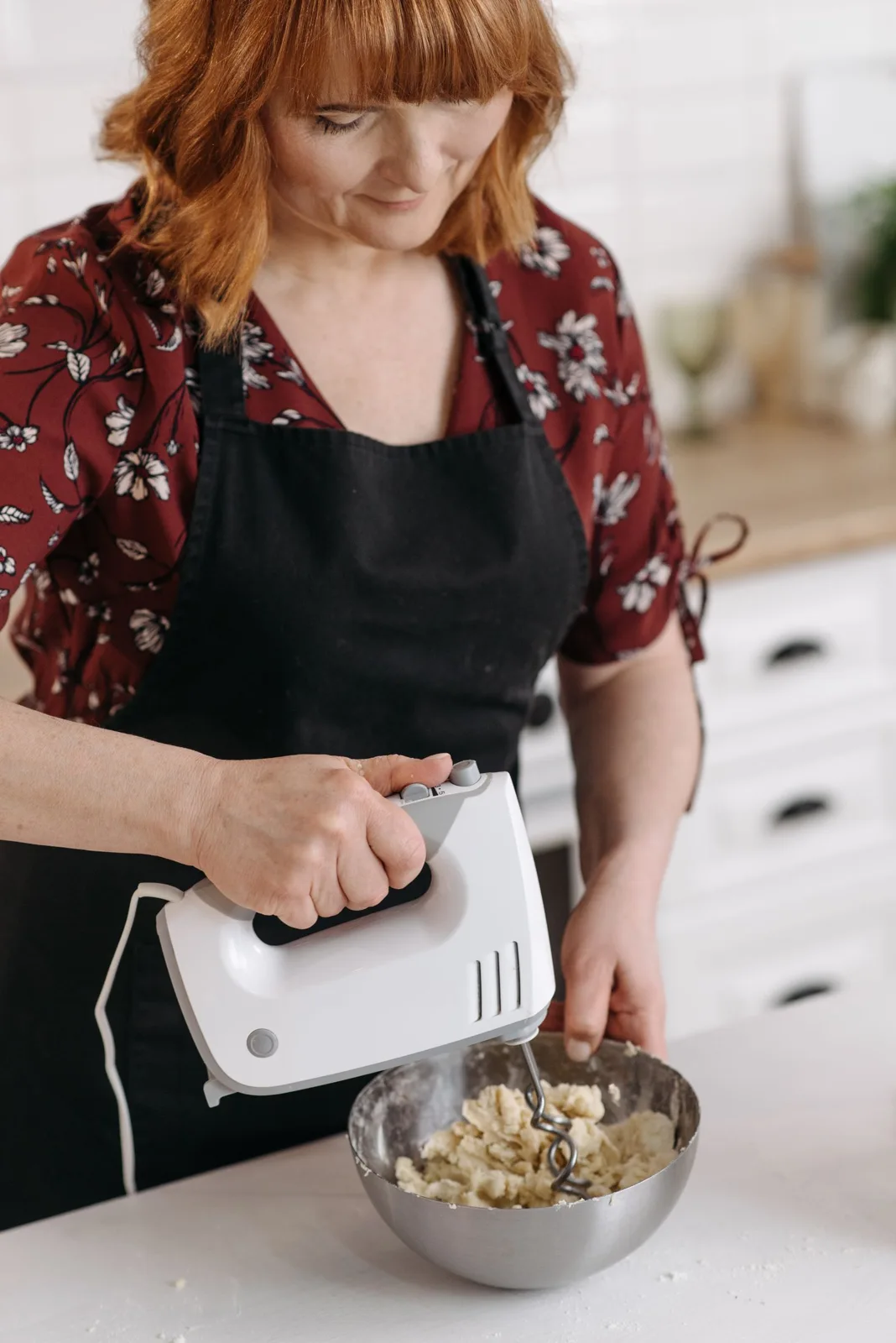
A recipe may ask you to stir, whisk, beat or fold at different stages. Those words describe actions, not a general instruction to use whichever mixer is already on the counter. Read the verb and its context before choosing the tool for a weekend bake.
Find the action in the method
Read the complete sentence, including the ingredient group and any stated endpoint. A recipe may ask for one mixture to be beaten and another ingredient to be folded in later. Treating both stages as continuous mechanical mixing can change the method unintentionally.
Keep the actual recipe version available. A shortened ingredient card or a photograph of an electric mixer may omit the distinction. The tool displayed in an image does not replace the written action for every stage.
Distinguish movement from equipment
Stirring generally describes combining through a repeated movement, while whisking, beating and folding indicate different kinds of action in context. Use the recipe's fuller explanation where it provides one. A familiar verb can still require a technique you have not yet understood for that particular mixture.
Do not treat a hand tool and an appliance as automatically interchangeable because both move ingredients. If the method or equipment choice is unclear, seek a reliable recipe-specific explanation before proceeding. Choosing another understood recipe can be more practical than improvising the whole mixing stage.
Read what marks the end
Look for the stated result or sequence that tells you when to continue. A time estimate, texture description and instruction to add another ingredient each need to be read in context. Do not replace them with the appearance of a styled finished-food photograph.
Keep any appliance operation within the actual product's instructions, using verified compatible attachments. The recipe action and equipment guidance answer related but separate questions. Neither should be inferred solely from the shape of a tool found in a drawer.
Prepare the change between stages
If a later step uses another action or tool, make that transition visible before mixing begins. Keep suitable equipment ready and maintain appropriate food handling and care between tasks. Avoid leaving the person helping to guess whether the previous tool is still intended for the next stage.
A short working note can preserve the sequence, such as mix the first group, then follow the stated folding step. Keep exact recipe quantities and any essential wording available rather than abbreviating until the method becomes ambiguous.
After a real session, record actual observations separately from the published directions. Do not turn an accidental tool substitution into a general tested recommendation. A useful verb check keeps the recipe's action, endpoint and equipment choice connected, giving an ordinary baking session a clearer method before the first motor is switched on.
Related reading
Keep the Weekend Cookie Equipment Group Bounded, Read the Chopping Size Before Starting a Weekend Recipe.
More considered choices, fewer impulse buys.
Read our editorial standards →