Reset the Reusable Lunch Kit After a Weekend Outing
Our guides are independently written. Some shopping links may earn us a commission when identified as affiliate links, at no extra cost to you. Read our disclosure.
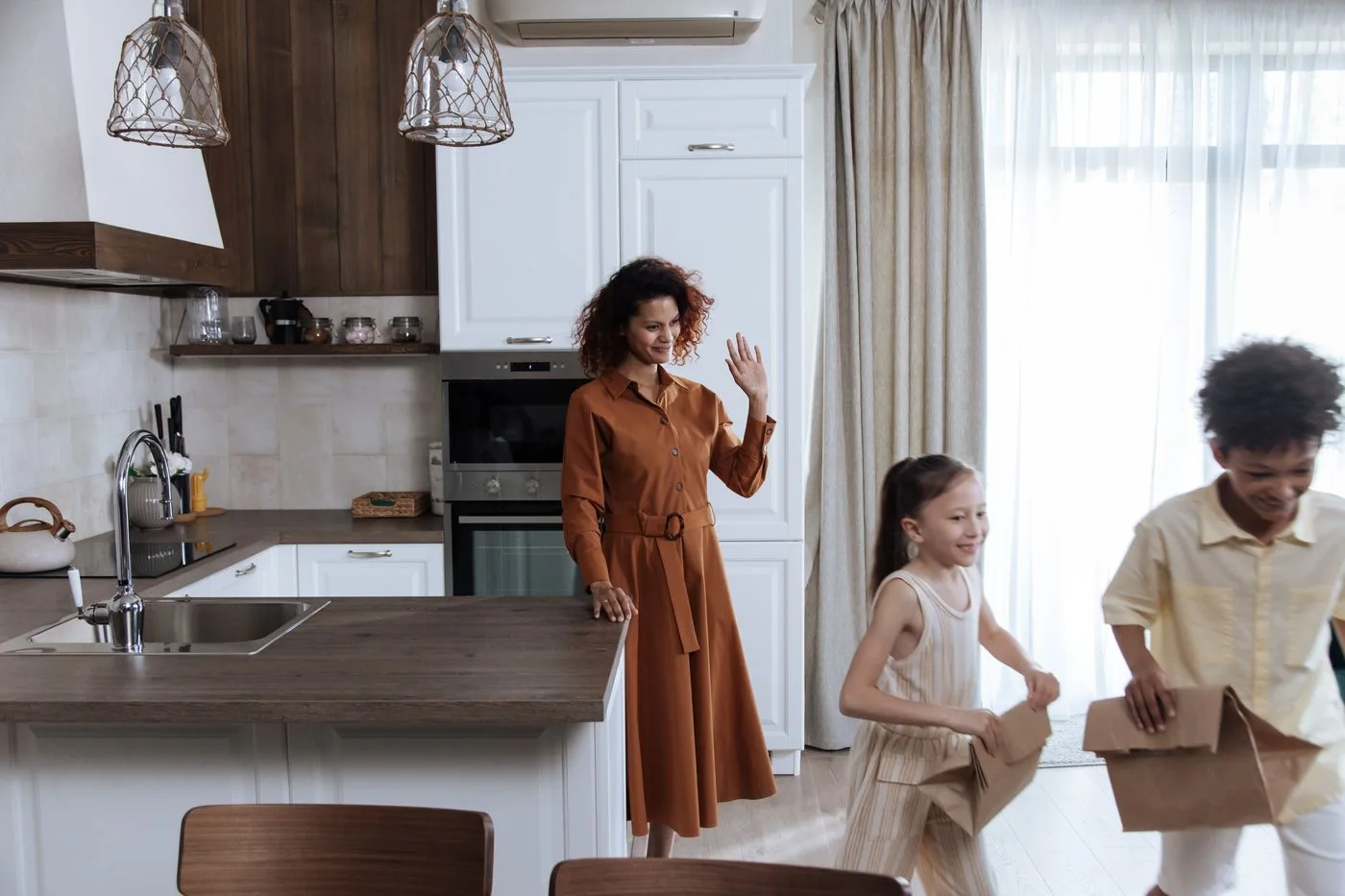
Give the kit a defined arrival point
A reusable lunch kit earns its space when it can complete the return home as easily as the outward journey. Choose a suitable place to empty it after an outing, keeping the main food-preparation area and walking route usable. A bag left inside another backpack can hide containers and food needing attention.
Handle remaining food according to its requirements and reliable food-safety guidance. Do not assume everything packed for the day can be kept or used again. Keep ingredient information and personal needs clear where they matter.
Separate food from equipment
Remove food through the appropriate handling route, then identify the containers, utensils and bag that need care. Keep unrelated papers and personal belongings out of the cleaning area. If something has leaked, follow the relevant products' care instructions rather than simply wiping the outside and closing the kit.
The different components may need different treatment. A lunch bag and a food container are not interchangeable products, and similar containers can have different permitted uses. Keep their information associated with the correct pieces.
Match lids before storage
Keep the lid designed for each container with its correct base and check that the closure operates as intended. Do not force a similar-looking lid onto another product. Separate uncertain or damaged pieces while assessing them through the manufacturer's guidance.
Choose a small active collection that suits the lunches actually carried. A drawer full of unmatched containers can make packing slower, even when it appears to offer many options. Clear identification matters more than a matching color scheme.
Complete cleaning and drying
Follow each component's cleaning and drying instructions before returning it to storage. Check the relevant appliance guidance where it affects the method. Do not assume every reusable item is suitable for the dishwasher or another familiar process.
Give pieces a suitable drying position that does not obstruct the kitchen's next task. A clean container waiting indefinitely beside the sink still has not completed its return. Make the final storage position easy enough to use after an ordinary tiring outing.
Keep ready equipment distinct
Store appropriately prepared items in a defined position separate from used or uncertain pieces. Remove or update old food labels appropriately so they cannot be mistaken for the next contents. Keep the bag ready under its own care requirements.
If the kit includes supplies used only occasionally, give them a separate suitable home. Do not let the everyday lunch equipment become an oversized picnic collection. The most useful kit is a manageable group whose condition and purpose can be understood before departure.
Record the actual packing issue
Notice whether the outing revealed a genuine gap: a container that did not suit the food, a bag that was awkward to carry or a lid that needed assessment. Write the specific issue down before shopping. More containers do not automatically solve poor fit or unclear care.
Our picnic guide helps connect equipment with the intended meal and setting. Keep the menu and product requirements together when assessing a future purchase. An attractive container photograph does not establish that it will suit every food or journey.
Make the next departure simpler
When the next outing is chosen, start from the ready collection and check the contents against that plan. Add food and personal supplies through their relevant requirements rather than leaving them permanently packed. Keep the responsible adult's check clear.
Our day-trip bag guide supports the broader kit. The lunch return should remain a small repeatable task, not another weekend project. A defined arrival, care and storage route can save more effort than buying a second kit to avoid sorting the first.
Lunch-kit questions
Should the kit stay packed between outings? Only suitable ready equipment should remain together under its storage requirements. Food and other items need their own handling decisions.
Can all the lids share one basket? They can if each correct match remains clear and easy to retrieve. A communal pile of uncertain pieces is less useful.
What if the kit is still dirty next weekend? Fix the arrival and care handover. A replacement kit may postpone the task without changing the routine that caused it.
More considered choices, fewer impulse buys.
Read our editorial standards →