Check the Day-Trip Bag Before the Weekend Starts
Our guides are independently written. Some shopping links may earn us a commission when identified as affiliate links, at no extra cost to you. Read our disclosure.
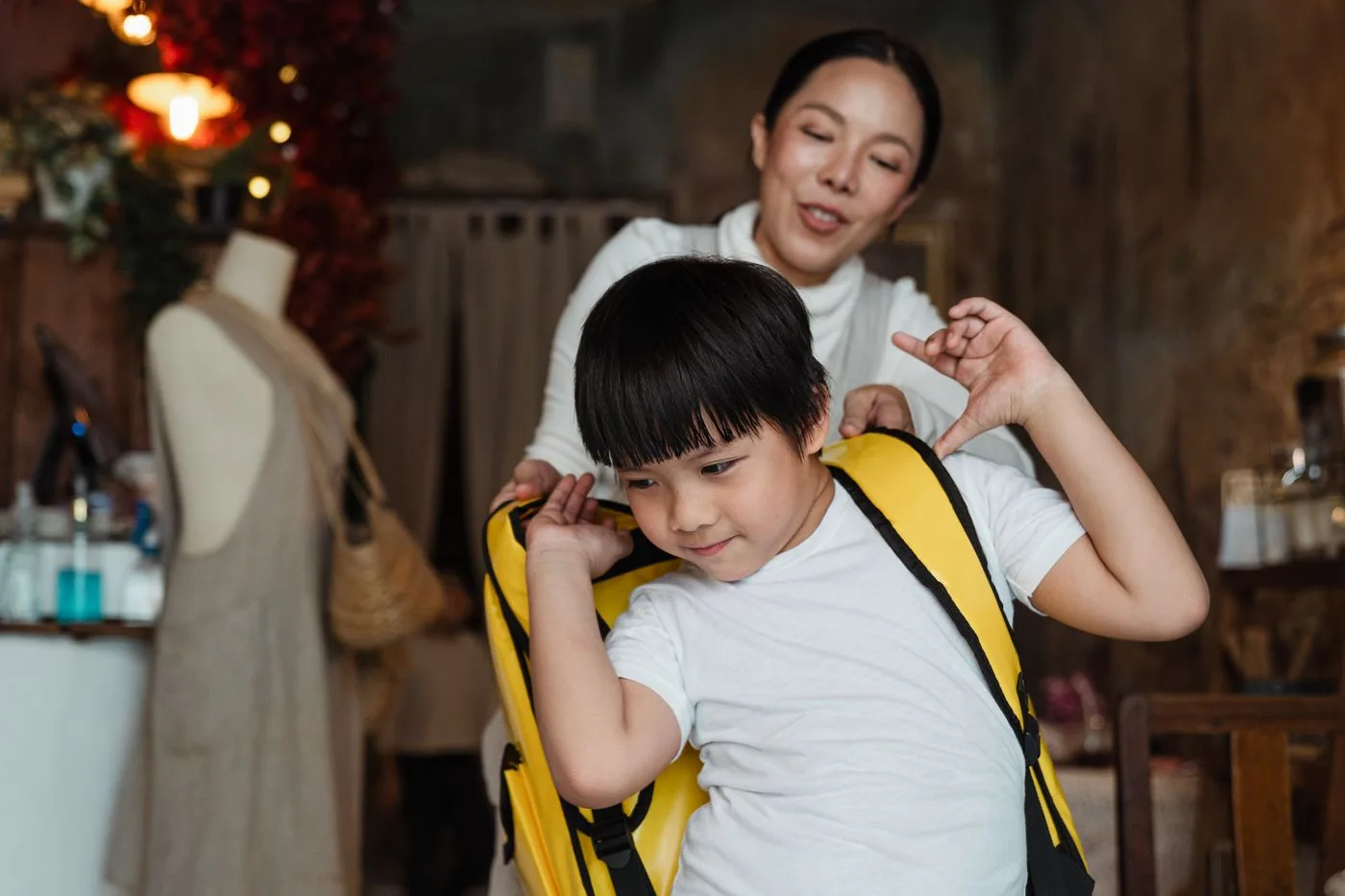
Start with the destination’s requirements
A day-trip bag can become heavier after every outing if each new possibility remains packed forever. Begin with the next trip's length, access and actual requirements. Check current destination information directly where it matters, including any equipment or entry conditions relevant to the group.
Keep the plan suitable for the people attending. A short local visit and a longer journey need different choices. Do not let a comprehensive-looking bag stand in for an appropriate outing plan or for the individual needs that the responsible adult must manage.
Empty the previous trip first
Remove used containers, clothing, papers and other items through their appropriate handling and care routines. Check pockets and keep important personal supplies under the relevant adult control. A bag with space on top of old contents is not the same as a ready bag.
Inspect the bag and follow its care and use information. Check closures, straps and any damage before relying on it. If the bag no longer suits the load or person carrying it, reconsider the equipment rather than adding another internal pouch to an unsuitable arrangement.
Separate essentials from optional comfort
Write a short current list of the items required for the trip and identify the person responsible for each. Keep personal needs and any essential supplies handled according to their requirements. Optional items can be considered afterward if the bag remains manageable.
Avoid a permanent list containing every object ever used on an outing. Such a list can make packing feel thorough while obscuring the few things that matter today. Give each retained item a clear reason connected to the actual destination and group.
Pack for retrieval
Put the first useful items in an accessible suitable position and keep clean and used items distinct where relevant. Choose plain categories that another caregiver can understand. A set of small matching pouches is not helpful when only the packer knows what each contains.
Check whether the bag can be opened and searched in an ordinary stopping position without emptying it onto an unsuitable surface. Keep product information available where it matters. The best packing arrangement makes the correct item easy to identify, not merely invisible inside a tidy bag.
Test the loaded carry
Have the responsible adult assess the bag with its actual contents and follow the product's limits and guidance. Consider the route, other equipment and any assistance needed. Do not assign a child an essential carrying responsibility solely to make the adult's bag appear lighter.
Remove optional duplicates before buying a larger bag. A bigger capacity can conceal an expanded collection rather than solve the carrying task. Our everyday bag guide offers useful questions about what deserves space, even though a workday and a trip have different requirements.
Agree on shared access
If another responsible adult may need the contents, explain the position of important items and any handling requirements. Keep the handover short and concrete. Do not assume everyone understands a private color code or the meaning of an unlabeled container.
Where a child participates, choose suitable tasks with the supervision needed. A small personal item can have a clear home without transferring responsibility for the whole outing. The bag should support the adults' plan and the group's needs rather than become an independence test.
Prepare the return home
Choose where the bag will land and which contents need attention after the trip. Keep the entrance clear and handle food, damp clothing and personal supplies appropriately. Return clean reusable equipment through its normal storage route.
Our unpacking guide helps complete that final stage. Save one useful observation about what was needed or awkward, then adapt the next list to its own destination. A ready kit remains a small checked collection rather than an indefinitely packed archive of past weekends.
Day-trip bag questions
Can one bag serve every outing? It can be a useful base if it suits the load, but the contents still need to match the actual trip and be checked between uses.
Does every item need a pouch? Use enough structure for clear retrieval. Too many hidden compartments can make a small collection harder to find.
What if the bag is always too heavy? Review the plan and optional contents, then assess the equipment. A larger bag alone does not make an unnecessary load easier to manage.
More considered choices, fewer impulse buys.
Read our editorial standards →