Unpack a Weekend Bag Before It Becomes Hallway Storage
Our guides are independently written. Some shopping links may earn us a commission when identified as affiliate links, at no extra cost to you. Read our disclosure.
Choose a landing place that leaves the door clear
The last part of a weekend trip often happens at home: a bag sits beside the door while its contents slowly move into unrelated rooms. Choose a suitable landing position that keeps the entrance and ordinary route usable. Leave enough space to open the bag without placing clean clothes beside outdoor footwear.
Plan a small first pass rather than promising a complete reset immediately. Essential personal items, food and anything damp or needing attention should follow their relevant handling and care requirements. A closed bag is not automatically a suitable place to leave them.
Remove the items that need a decision now
Return personal essentials to their appropriate secure or accessible positions according to their requirements. Handle remaining food correctly and separate used or damp clothing for suitable care. Keep receipts and travel documents with any action needed rather than scattering them across the kitchen.
The priorities depend on what the trip involved. Do not treat one general packing list as a complete return plan for every household. A short clear check can identify what needs prompt attention while leaving less urgent sorting for a defined later moment.
Send clothes through the right route
Read garment care instructions and separate what needs laundering from pieces ready to return to the wardrobe. Avoid washing every item simply because it traveled, but do not put uncertain or damp clothes into storage to clear the bag quickly.
Give footwear and outer layers their own care stages where needed. Our footwear return guide helps keep that task distinct. A pile labeled travel laundry can hide several different requirements, so make the next action clear enough for the person handling it.
Reset personal supplies
Return toiletries and other supplies through their appropriate storage conditions. Check closures and any leaks before putting items back in a drawer. Keep product identities and instructions available. Do not top up an unknown travel container merely because it appears nearly empty.
Separate things used on every trip from occasional equipment. A small travel group can remain together if stored appropriately, while other items belong in the household's everyday positions. Our toiletry-drawer guide supports that distinction without turning the whole bathroom into a permanent packing station.
Give souvenirs an honest destination
Decide where the items brought home will be used or kept. A useful purchase should have a realistic role beyond remaining in its shopping bag. Keep any care or use information with it and handle gifts according to their requirements until they are given.
If a purchase does not fit the home as expected, assess the relevant options directly rather than hiding it inside the empty suitcase. The souvenir guide can help improve future choices. Returning from a trip is a good point to note what was genuinely worthwhile.
Care for the bag itself
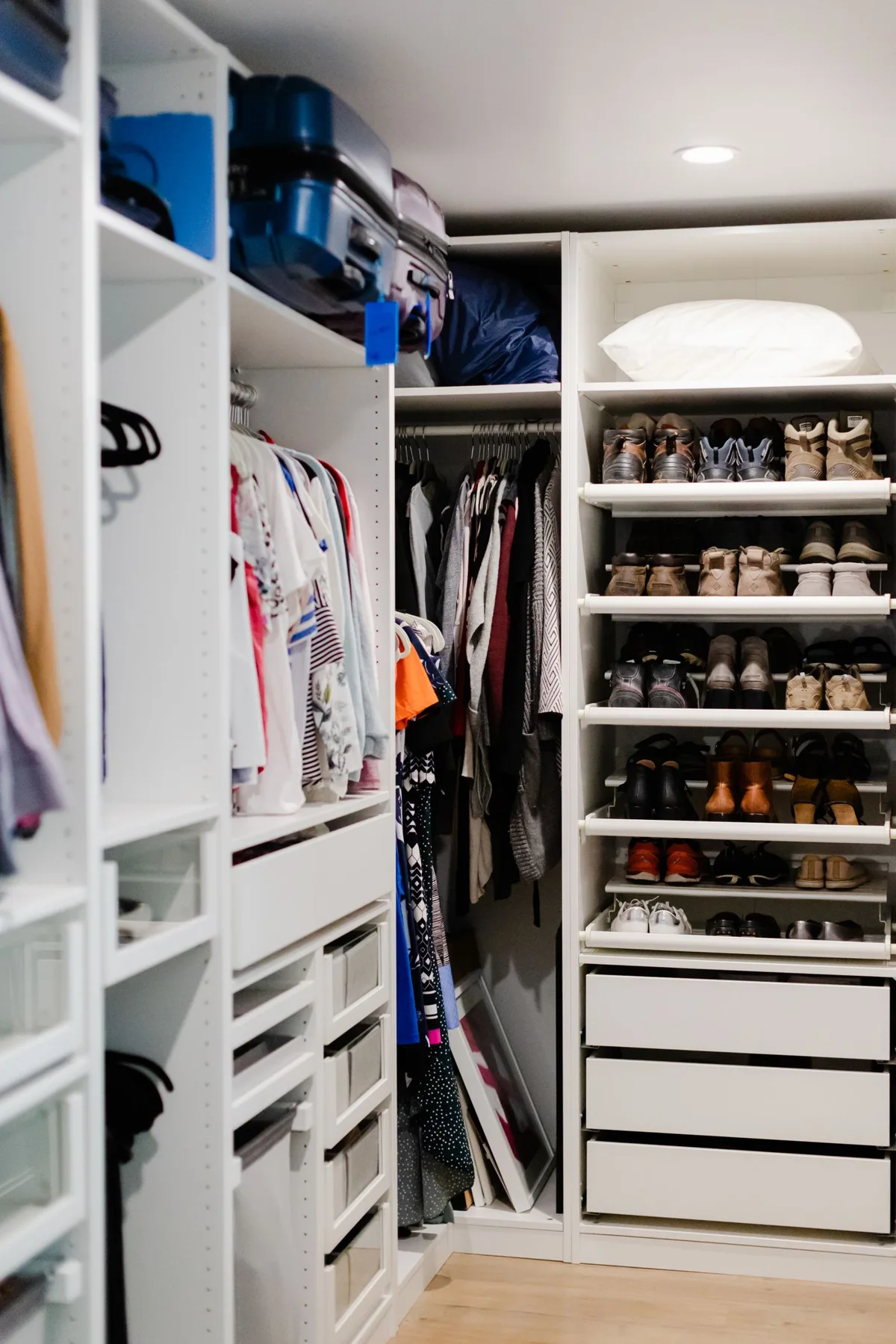
Follow the bag's cleaning, drying and storage instructions before putting it away. Check pockets so small objects are not forgotten. Keep any damage or repair question visible rather than discovering it during the next departure rush.
Choose a storage position that allows the bag to be retrieved comfortably. An empty bag should not become indefinite storage for uncertain household items. Keep its role clear so the next packing session begins with a suitable usable piece of luggage rather than a box of unresolved decisions.
Keep one useful note for next time
Record one item that was unnecessary and one clearly defined gap if the trip revealed it. Avoid expanding the next packing list with every possible contingency. Compare the note with the actual type of trip before reusing it.
Our overnight-bag guide and train-weekend guide serve different journeys. Keep their needs distinct. The return routine can improve packing when it is based on observed use rather than an idealized bag layout.
Unpacking questions
Does everything need to be put away immediately? Handle items according to their requirements first, then give remaining tasks a clear next step. Do not let a later sorting plan conceal things needing attention now.
Can clean clothes stay in the bag for next weekend? Consider their care, storage and actual future use. A bag should not replace a suitable wardrobe position by default.
What if unpacking always stalls? Follow one item to its final destination. The obstacle may be a crowded drawer or unclear care task rather than the suitcase itself.
More considered choices, fewer impulse buys.
Read our editorial standards →