
Organize a Travel Toiletry Drawer Before the Next Trip
Our guides are independently written. Some shopping links may earn us a commission when identified as affiliate links, at no extra cost to you. Read our disclosure.
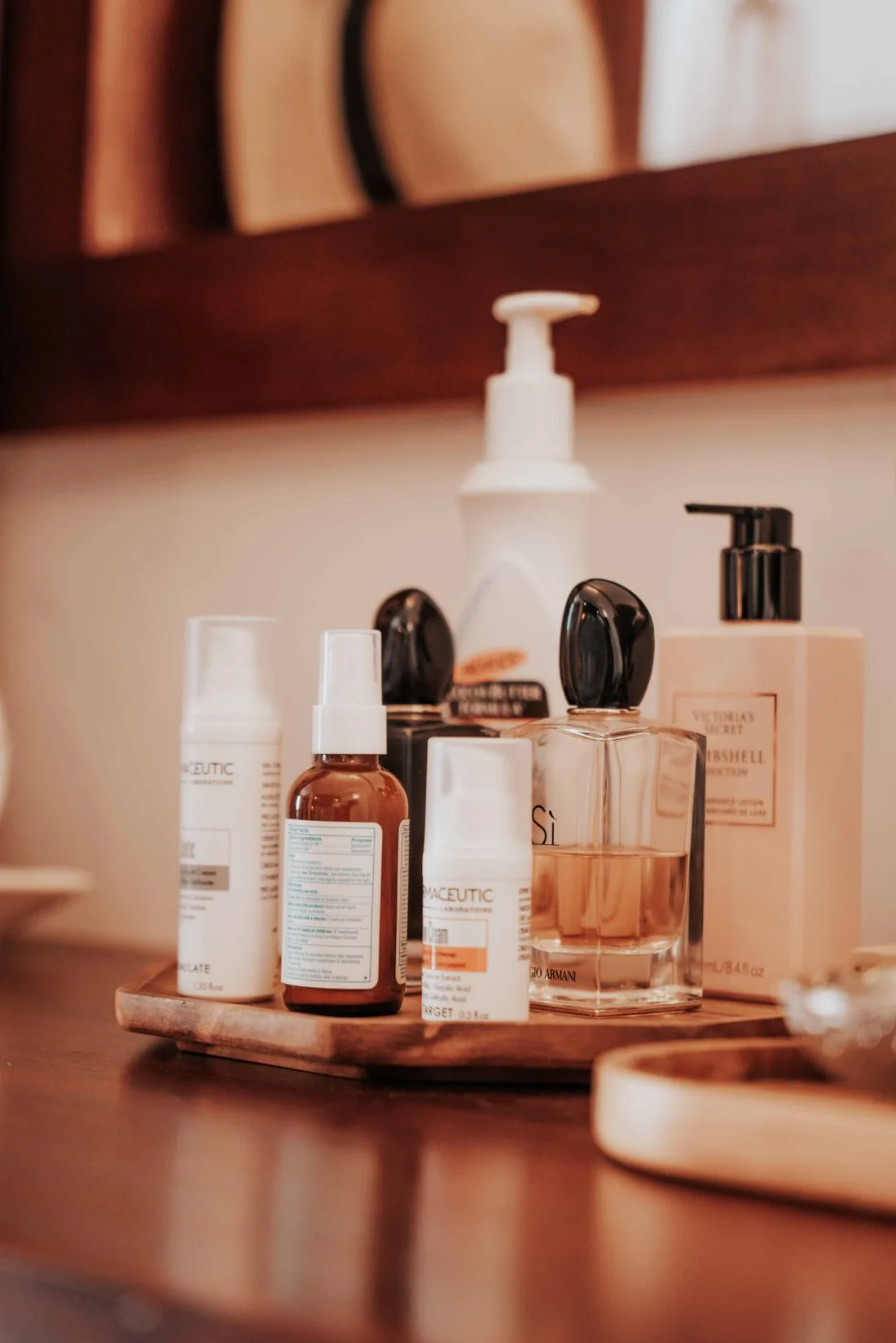
The travel toiletry drawer is where good intentions often become a collection of half-used bottles. There is a tiny shampoo from a past hotel, an unlabeled pot and a pouch that looked convenient but never quite closes. A useful system starts by deciding what you actually use away from home, then giving those items a clear place between trips.
Empty the drawer onto a washable surface. Separate everyday products, reusable containers, grooming tools and items that no longer belong. Follow product disposal guidance where relevant, and do not mix remnants merely to save space. An unidentified bottle is not a helpful addition to the next journey.
Build the list from your routine
Walk through a normal morning and evening. Write down what you use, then identify what can reasonably be shared or omitted on a short trip. A two-night stay may not require every styling tool from home, but a product important to your comfort should not disappear simply because a minimalist checklist says so.
Keep personal medications and any associated instructions under your own appropriate travel arrangements. Do not assume a general toiletry pouch is the best place for every health-related item. Check current official travel and transport requirements for your destination and carrier when planning what to pack; container limits and exceptions are outside a universal drawer system.
Choose containers for the product inside
A jar suits some thicker products, while a bottle or pump may be more convenient for others. Read the product and container guidance before decanting. Some formulas should remain in their original packaging, and an attractive empty bottle is not automatically compatible with everything in the bathroom.
Label suitable containers with the contents and the date you filled them. Keep enough identifying information to avoid confusing similar liquids. Use labels that remain readable through ordinary handling, and test closures over a sink before putting anything near clothing.
Do not fill a container to the point that closing it pushes product out. Clean residue from the outside and place vulnerable items in a separate protective pouch when appropriate. A leak-resistant claim is a reason to inspect a product, not a guarantee that every packed combination will behave perfectly.
Give the drawer three simple zones
Use one area for clean empty containers, one for ready-to-pack items and one for the pouch itself. Existing small boxes can establish the zones before you buy organizers. Measure the drawer if you later decide inserts would help; leave enough room to lift bottles out without dismantling the arrangement.
Avoid packing so tightly that you cannot see what is available. Clear visibility reduces duplicate purchases. If a container never leaves the drawer, reconsider whether its shape or size suits your routine before buying another version of it.
Evaluate the pouch in use
Stand the pouch on a small bathroom counter and open it. Can you see the contents without tipping everything out? Does it need a hook to function, and will your accommodation necessarily provide a suitable one? A hanging style offers access when space is limited, while a simple box-shaped pouch can be easier to place beside a sink.
Check the lining and cleaning instructions. Separate damp items from dry ones and allow reusable containers to dry appropriately after washing. A pouch that stores beautifully but is difficult to clean may create more work than it saves.
Reset after returning home
Unpack promptly, clean what needs cleaning and return containers to the correct zone. Record the item you ran out of and the one you never touched. This small review creates a packing list based on your own trips rather than a growing pile of possibilities.
Use the drawer alongside a carry-on beach weekend plan or a rainy city-break packing list. The drawer handles preparation; each itinerary determines what deserves to leave it.
More considered choices, fewer impulse buys.
Read our editorial standards →