Give Overnight Visitors a Practical Place for Their Bags
Our guides are independently written. Some shopping links may earn us a commission when identified as affiliate links, at no extra cost to you. Read our disclosure.
Explain the room before the visit
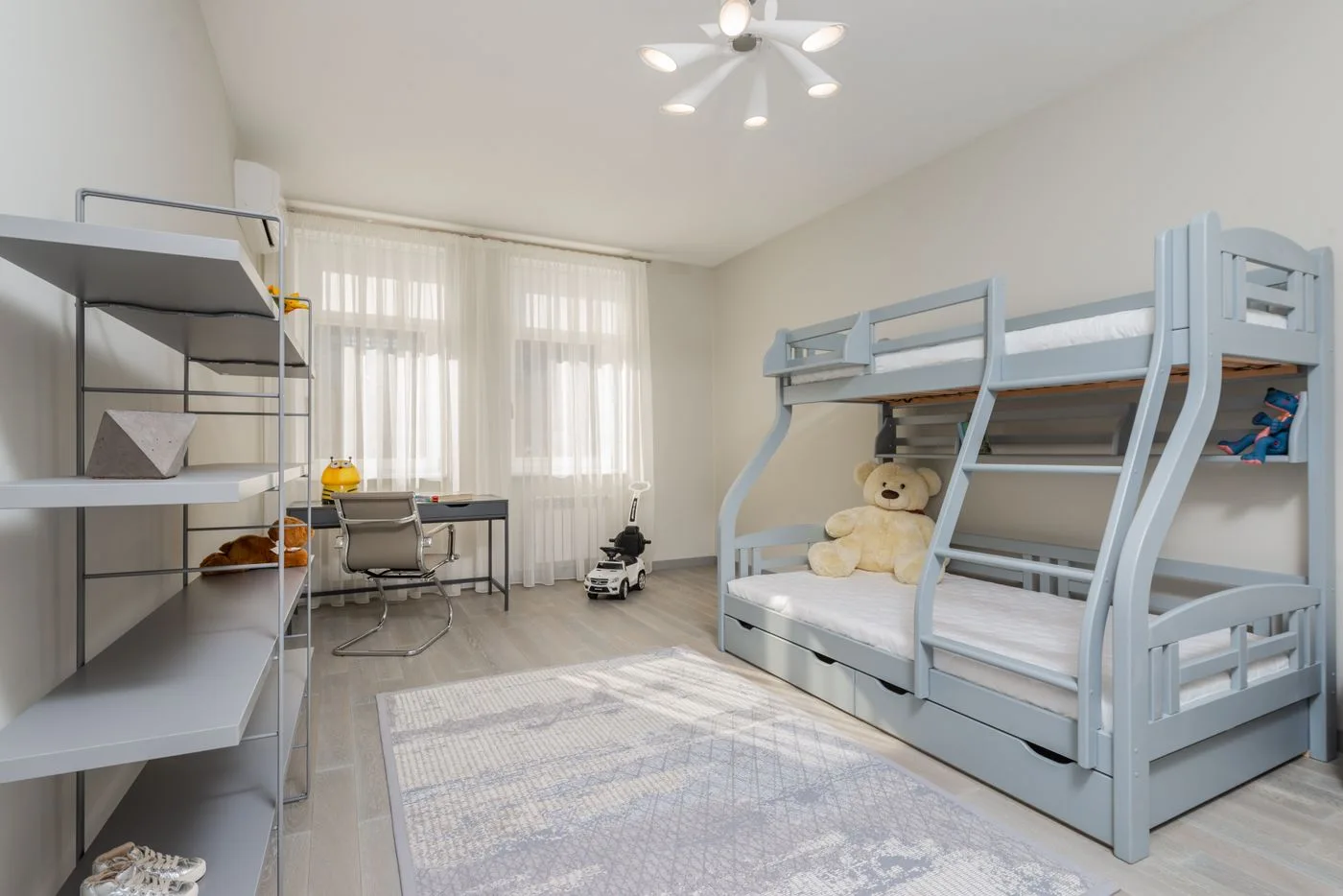
An overnight visit feels easier when guests know the practical sleeping arrangement before arriving. Describe the room, the available privacy and any shared use plainly. Ask about needs that affect the plan rather than assuming every guest can use the same setup comfortably.
Choose a suitable sleeping arrangement and follow all product installation, age and use information. A room photograph does not establish suitability. The bag position is one small part of welcoming guests and should support a plan appropriate for the actual people staying.
Clear a landing area
Give guests a suitable place to put their bags without blocking doors, furniture or the route through the room. Check the space with a bag opened, not only standing upright. A corner that holds a closed suitcase may provide no room to retrieve clothes.
Use a stable suitable surface or floor position and keep access clear. A dedicated luggage rack is optional. Existing furniture can work if it is appropriate for the load and task, but do not use an unstable decorative piece simply because its height seems convenient.
Keep household storage accessible
Open the drawers and cupboards the household will need during the stay. If the guest's bag occupies their path, move everyday supplies beforehand or choose another landing position. Avoid making the guest repeatedly move belongings so someone can reach breakfast items or work equipment.
Keep any private or unsuitable household contents handled appropriately. A shared room needs a clear arrangement about what is available for guest use and what remains personal. Storage can support that boundary, but a brief explanation is kinder than expecting visitors to guess.
Prepare a reachable small surface
Leave a stable appropriate position for a phone, glasses or another ordinary personal item. Show the relevant light controls and a suitable outlet where needed, following equipment guidance. Keep cords away from the walking route.
Do not fill every guest surface with decorative objects. A small clear area often helps more than another vase or folded display. Keep drinks positioned away from electrical equipment and where they are less likely to be knocked. The room should be assessed from the guest's ordinary seated or sleeping position.
Plan towels and used items
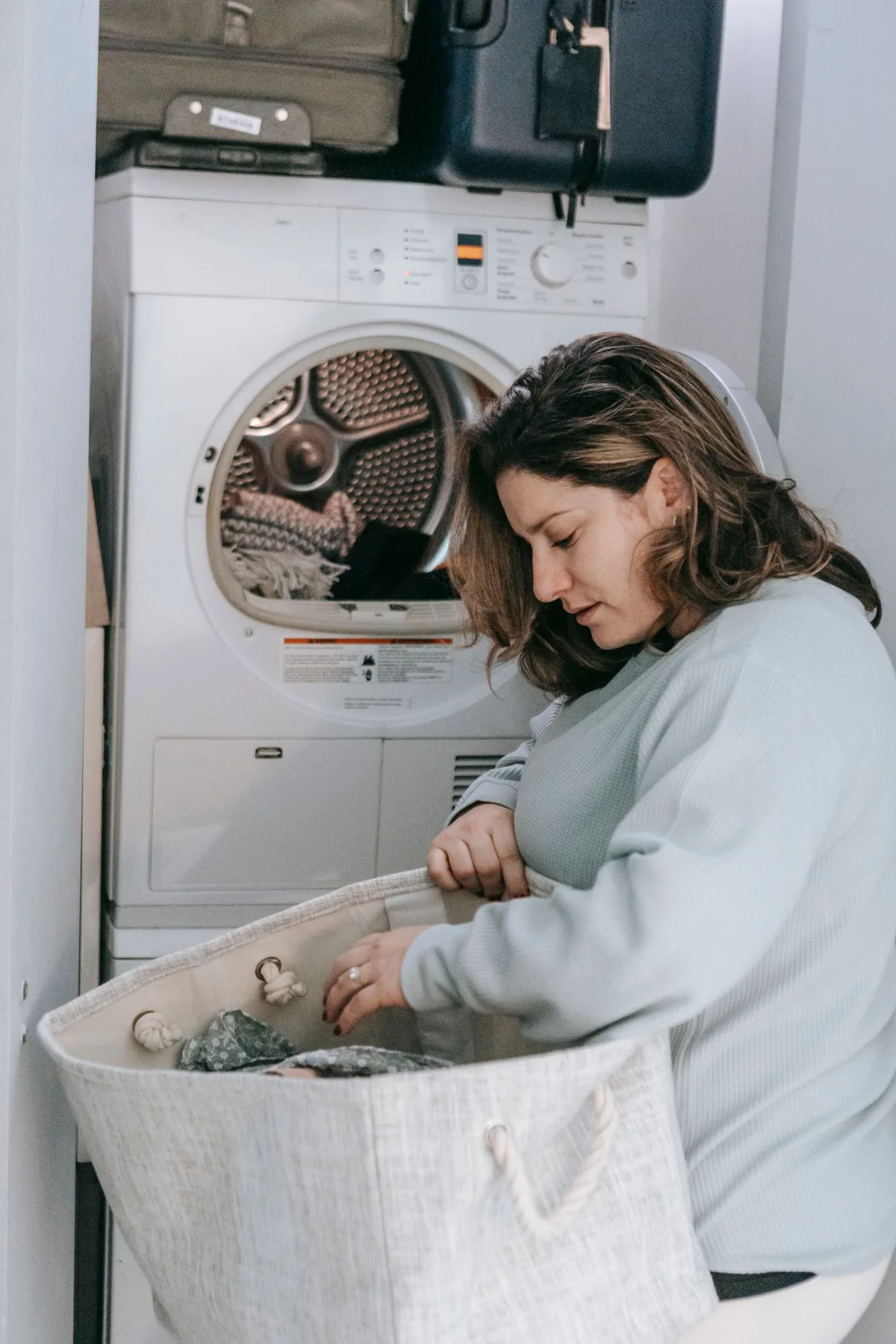
Show guests where the intended towels are and where they go after use. Follow the textiles' care guidance and keep damp items out of unsuitable closed storage. An obvious explanation can prevent a wet towel ending up on a suitcase.
Keep the guest's bag distinct from household laundry and storage baskets. Do not make the landing area the default destination for extra bedding, shopping or unrelated objects during the visit. Its purpose is to remain usable for the person staying.
Agree on the morning transition
Explain any practical timing for shared rooms and facilities. If the room returns to another household use in the morning, make the handover clear in advance. Give the guest a predictable place for belongings while bedding or furniture is handled appropriately.
Keep breakfast simple enough that it does not occupy the guest's landing area. Our casual brunch guide can support a more leisurely meal when that fits the visit, but an ordinary breakfast does not need a full hosting setup.
Reset after departure
Return bedding, towels and furniture through their appropriate care and storage routines. Check the guest area for belongings before putting it back into household use. Keep any found personal item handled discreetly and arrange its return directly with the guest.
Note one practical improvement for the next stay, such as a clearer bag position or better access to a drawer. Our entryway guide can help with the arrival area. Choose changes from actual use rather than buying a collection of guest accessories after one visit.
Visitor-bag questions
Does every guest need a separate drawer? Not for every short stay. A clear suitable bag position and reachable surface may be enough, depending on needs and the room.
Can a bag stay in the hall? Only if the position remains suitable and does not obstruct the entrance or household routes. The guest still needs practical access.
What if the room has no usable landing space? Reconsider the arrangement before the visit. Clear information and a different suitable plan are better than promising comfort the space cannot provide.
More considered choices, fewer impulse buys.
Read our editorial standards →