
Read the Chopping Size Before Starting a Weekend Recipe
Our guides are independently written. Some shopping links may earn us a commission when identified as affiliate links, at no extra cost to you. Read our disclosure.
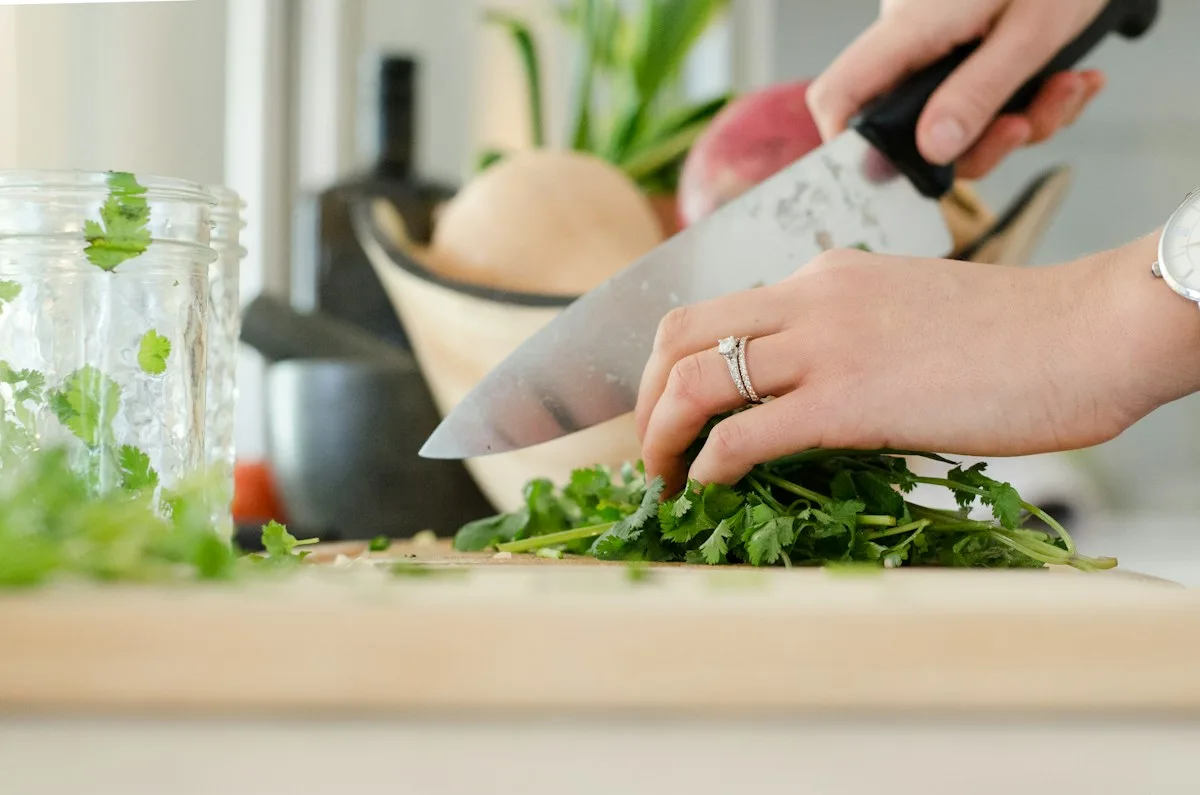
A relaxed weekend recipe can become awkward when every vegetable is chopped before the method is read. One ingredient needed thin slices, another was meant to stay in larger pieces, and the herbs belong at a later stage. Read the cutting instructions as part of the cooking plan rather than as a decorative detail.
Find every cutting instruction first
Read the ingredient list and the full method together. Some recipes describe the cut beside the ingredient; others explain it only when that ingredient is used. Note any specified size, shape or preparation that affects the next step.
Keep the recipe's wording available while you work. A rough memory of small pieces can be less useful than an actual measurement or a clear instruction to slice. If the meaning is unfamiliar, resolve it using a reliable explanation before starting with the knife rather than guessing halfway through the preparation.
Separate ingredients by their next use
Group ingredients around the stage where they will be added. Similar-looking chopped vegetables may enter the pan at different times. A few suitable bowls or clear patches on the working surface can keep those stages distinct without setting out every bowl in the cupboard.
Do not mix prepared ingredients simply because they will eventually share the same dish. The recipe may rely on one cooking longer than another. Keep raw and ready-to-eat foods appropriately separate, and use suitable food handling and equipment throughout.
Prepare one useful group at a time
Clear a stable working area and use an appropriate board and knife for the task. Avoid crowding the board with the entire shopping bag. Cut a manageable quantity, move it to its intended suitable place and then begin the next ingredient.
Read the herb instruction before chopping the whole bunch. Leaves, stems and garnish may have different roles depending on the recipe and the herb. Prepare the amount actually needed and keep the remaining food according to its storage needs rather than leaving it spread across the counter.
Keep the finishing stage visible
Mark ingredients reserved for the end so they do not disappear into the first mixing bowl. This might be a final herb addition or another topping specified by the method. A short paper note beside the recipe can be enough if several small finishing items look similar.
When preparation is complete, read the first cooking step again before beginning. Check that the required pan and tools are ready and that the working area remains clear. After the meal, note any instruction that was difficult to follow so it can be clarified before the next attempt. A useful weekend cooking session gives the recipe enough attention at the beginning to avoid a succession of small surprises later.
Related reading
Keep the Weekend Cookie Equipment Group Bounded, One Main Breakfast Dish Is Enough.
More considered choices, fewer impulse buys.
Read our editorial standards →