Is Your Roof Storm-Ready? 6 Signs It Might Not Be
When severe weather strikes, your roof becomes the first line of defense against the elements. Strong winds, heavy rain, hail, and flying debris can take a serious toll on even the sturdiest-looking structures. A storm-damaged roof can lead to costly repairs, water damage, and significant disruption to your daily life.
The question every homeowner should ask before storm season hits is: Is my roof truly ready to handle it? If you’re not sure, there are several red flags that may indicate your roof is more vulnerable than it appears. Here are six key signs that your roof may not be storm-ready, and why it’s critical to act before the clouds roll in.
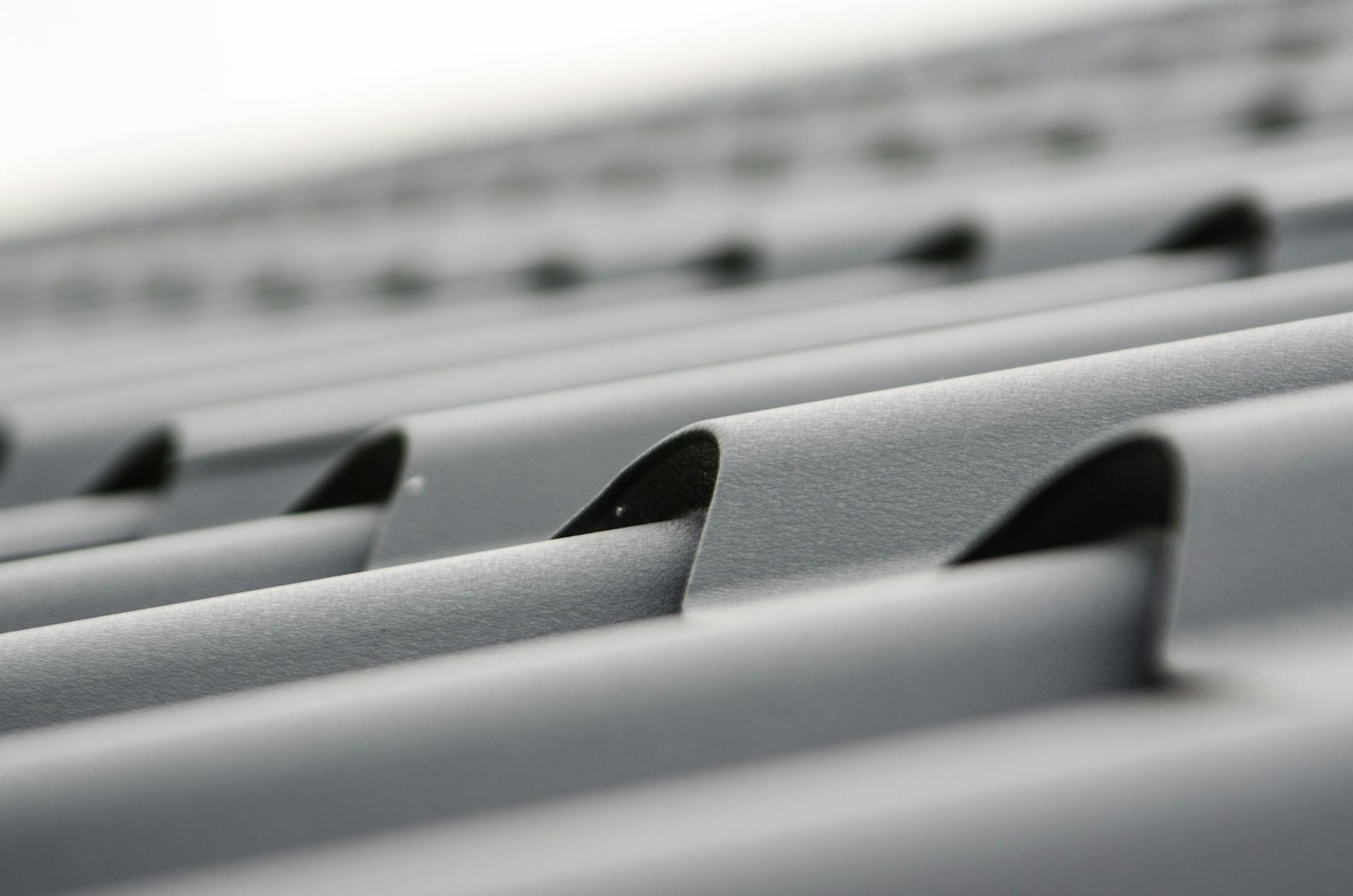
Curling, Cracked, or Missing Shingles
Shingles are your roof’s outer armor, shielding your home from wind, rain, and hail. If they’re curling, cracked, or missing entirely, your roof is already compromised. Even small gaps can allow water to seep in, especially when wind-driven rain pushes moisture underneath damaged areas.
During a storm, these weak spots are often the first to give way. High winds can easily lift loose shingles, turning minor problems into major leaks. If you notice granule loss in your gutters or bald spots on your roof, it may be time to consider a repair or even get a new roof, depending on the extent of the damage. Regular inspections, particularly after previous storms or during seasonal transitions, can help you spot these issues early before they escalate.
Sagging or Uneven Roof Lines
A sagging roof is never a good sign. It often indicates underlying structural issues such as water damage, rotting wood, or compromised supports. While it may not leak today, a sagging area can quickly collapse under the added pressure of snow, hail, or pooling water during a storm.
If you notice dips in the ridgeline, uneven slopes, or sections of your roof that appear lower than others, don’t wait to address them. These issues weaken the roof’s ability to distribute stress evenly during a storm, putting the entire structure at risk.
Have a roofing professional assess any structural irregularities. It’s always safer and more cost-effective to address problems proactively than to wait for a storm to reveal them.
Water Stains or Mold in the Attic
Your attic is a crucial indicator of your roof’s health. Water stains, mold, or musty odors in the attic suggest that moisture is already making its way past your roofing materials. Left unchecked, this moisture can cause wood rot, compromise insulation, and lead to toxic mold growth.
During a storm, existing leaks often get worse. High winds can drive rain deeper into already-compromised areas, while flashing and underlayment may fail altogether.
Check your attic regularly, especially after heavy rain. Use a flashlight to inspect the rafters and insulation for dark spots or signs of dampness. If you see mold or feel excessive humidity, it’s time to investigate the source and fix it fast.
Damaged Flashing or Sealant
Flashing is the metal or composite material used around vents, chimneys, skylights, and roof joints to prevent leaks. Over time, flashing can corrode, crack, or become dislodged, particularly if it was not properly installed in the first place.
Sealants used around vents and other protrusions can degrade under UV exposure and temperature fluctuations. These small details might not seem like a big deal, but they play a vital role in keeping your roof watertight during a storm.
If you notice gaps, rust, or loose flashing, it’s a sign your roof is vulnerable. These areas are particularly prone to wind-driven rain and require immediate attention to prevent storm-related water damage.
Clogged Gutters and Poor Drainage
Gutters and downspouts are an often-overlooked part of your roofing system, but they’re critical for storm-readiness. Clogged gutters can cause water to back up under shingles, soak fascia boards, and even enter your home’s foundation.
In heavy rain, poorly functioning drainage can overwhelm your roof’s defenses. Leaves, twigs, and debris should be cleaned regularly to ensure water flows freely away from your roof and home.
Consider installing gutter guards and checking downspouts for blockages. During a storm, your roof needs a clear path for water to escape quickly and efficiently.
Roof Age and Maintenance History
Even the best roofs have a lifespan. Asphalt shingle roofs typically last 15 to 30 years, while metal or tile roofs can last longer with proper care. If your roof is approaching the end of its expected lifespan and has not been maintained regularly, it may not withstand the next major storm.
A roof that hasn’t been inspected or serviced in years is far more likely to suffer storm damage. Weather, UV exposure, and seasonal changes all contribute to material fatigue over time.
If your roof is over 15 years old and showing any signs of wear, or if you simply don’t know its maintenance history, it’s wise to schedule an evaluation. Knowing the current condition of your roof gives you the power to take preventative measures rather than waiting for damage to occur.
Storm season doesn’t wait for homeowners to prepare, which is why it’s crucial to assess and address your roof’s condition before severe weather arrives. Whether it’s damaged shingles, sagging structures, attic leaks, or worn flashing, these warning signs shouldn't be ignored. Taking proactive steps today can prevent major headaches tomorrow. If the issues are extensive or recurring, it may be time to install a new roof to protect your home and loved ones from the storms ahead. A storm-ready roof is not just an investment in your property, it’s an investment in your peace of mind.
- Enhancing Property Value and Curb Appeal with Professional Pressure Washing - April 17, 2026
- How Dental Implants Are Reshaping Oral Health - April 17, 2026
- When Should You Seek Professional Help for Your Child? - April 17, 2026