How to Turn Your First Home into a Smart Investment
Key Takeaways
- Turning your first home into an investment starts with strategic planning and continues with ongoing improvements.
- House hacking, smart technology, energy efficiency, and high curb appeal create immediate and long-term value.
- Leveraging home equity can fund future investments, but informed decisions and market knowledge are essential.
Introduction
Purchasing your first home is a significant milestone and can be the foundation of your financial future. With strategic decisions and forward-thinking, you can transform your starter home into a powerful investment that creates passive income and long-term value. North Orange County real estate experts Home Ready Team emphasize that understanding local market trends and buyer preferences is crucial for maximizing your property’s return on investment.
Many first-time buyers don’t realize their property's full potential. By embracing innovative tactics—like rental income, smart technology, and sustainable upgrades—you position yourself for success whether you stay in your home or plan to sell down the line.
Embrace House Hacking
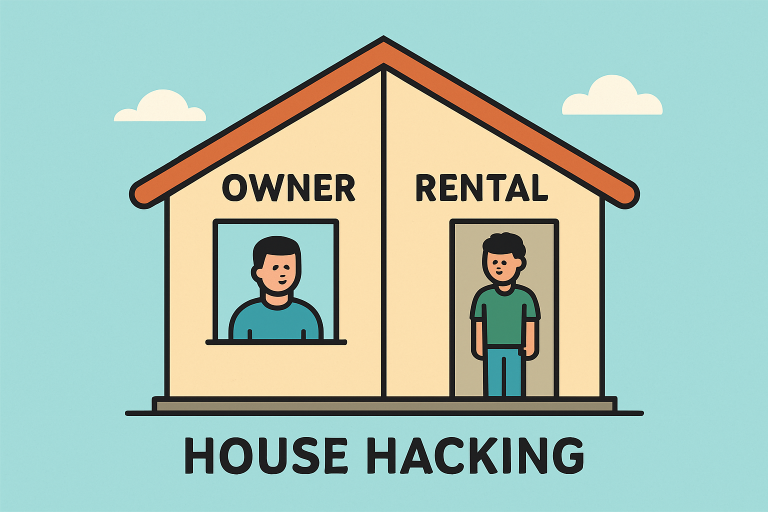
One of the most effective strategies to turn a home into an investment is house hacking. This concept involves living in a portion of your home while renting out another part, such as a spare room, accessory dwelling unit (ADU), or finished basement. House hacking can substantially offset your mortgage costs, making your monthly finances more manageable and accelerating your equity build-up. For many first-time buyers, it’s an accessible way to step into real estate investing.
Even if your home isn’t initially suited for split living, relatively modest renovations—like adding a bathroom or kitchenette—can dramatically expand potential rental income. According to data cited by Nasdaq, homeowners who house hack can reduce living expenses, pay off loans faster, and position themselves for future property purchases.
Implement Smart Home Technology
Today’s homebuyers and tenants increasingly expect the convenience and security of smart home technology. Upgrading your home with smart thermostats, voice-controlled lighting, and app-based security systems enhances your day-to-day living experience and adds immediate resale value. Smart home features often make properties stand out in competitive markets, especially to younger and tech-invested buyers willing to pay a premium for the latest amenities.
According to a Florida Realtors report, smart home improvements lead to significant energy savings and contribute to stronger buyer interest, helping your property sell faster and at a higher price.
Focus on Energy Efficiency
Energy-efficient upgrades are among the highest-yield improvements for first-time homeowners. To reduce your monthly energy bills, swap out old appliances for Energy Star models, seal or replace drafty windows, and improve insulation. These changes appeal to cost-conscious buyers and tenants, reducing the property’s operating costs and environmental impact—both significant selling points in today’s market.
Big-ticket upgrades like converting conventional heating and cooling systems to electric heat pumps can also provide a return on investment over 100%, as noted by O'Brien Construction and Restoration. According to the New York Times, market demand for energy-efficient homes continues to rise, making these projects wise choices for long-term value.
Enhance Curb Appeal
First impressions matter, especially in real estate. Simple landscaping, fresh paint, clean driveways, and well-maintained exterior surfaces can dramatically increase your home’s visual appeal and perceived value. Improvements like replacing a front door or updating your garage door often yield high cost recoveries—frequently around 100%—when it’s time to sell.
Quick, budget-friendly updates such as planting seasonal flowers, trimming shrubs, or adding modern house numbers can have outsized impacts at open houses or in online listings liked by potential buyers.
Utilize Home Equity Wisely
As your property appreciates and you pay down your loan, you’ll begin to accumulate equity. This equity can be tapped—via home equity loans or lines of credit—to fund larger renovations or help make a down payment on a second property. While home equity opens up a world of investment opportunities, it comes with risk: always review terms and ensure you’re not overleveraged before investing borrowed funds.
A CBS News resource stresses the importance of understanding your lender’s repayment requirements and considering what level of debt you’re comfortable carrying. Used judiciously, home equity can be a powerful wealth-building tool.
Stay Informed and Adapt
Real estate markets, technologies, and tenant preferences are constantly evolving. Staying informed by reading property news, attending workshops, or consulting with experienced local agents ensures you won't miss emerging opportunities. Regularly reassessing your property’s value, rental potential, and upgrade options keeps you ahead of the curve, helping you make data-driven decisions as a homeowner and investor.
Final Thoughts
Transforming your first home into a smart investment is achievable with thoughtful planning and a proactive mindset. By embracing house hacking, adopting energy-saving and smart technologies, investing in curb appeal, and leveraging your home equity wisely, you’ll maximize your return while building lasting wealth. Approach homeownership with an investor’s lens—and you can turn your first house into the cornerstone of your financial future.
- Residential Driveway Planning Guide: Materials, Drainage, Installation, and Maintenance - August 20, 2026
- A Flexible Zion National Park Itinerary for Hikers, Families, and Scenic Road Trippers - August 20, 2026
- Persistent Odors Need Source-Level Treatment: FIRESTONE Restoration Provides Professional Ottawa Sanitizing Services - August 20, 2026