Keep a Private Reference for a Picture Displayed at Home
Our guides are independently written. Some shopping links may earn us a commission when identified as affiliate links, at no extra cost to you. Read our disclosure.
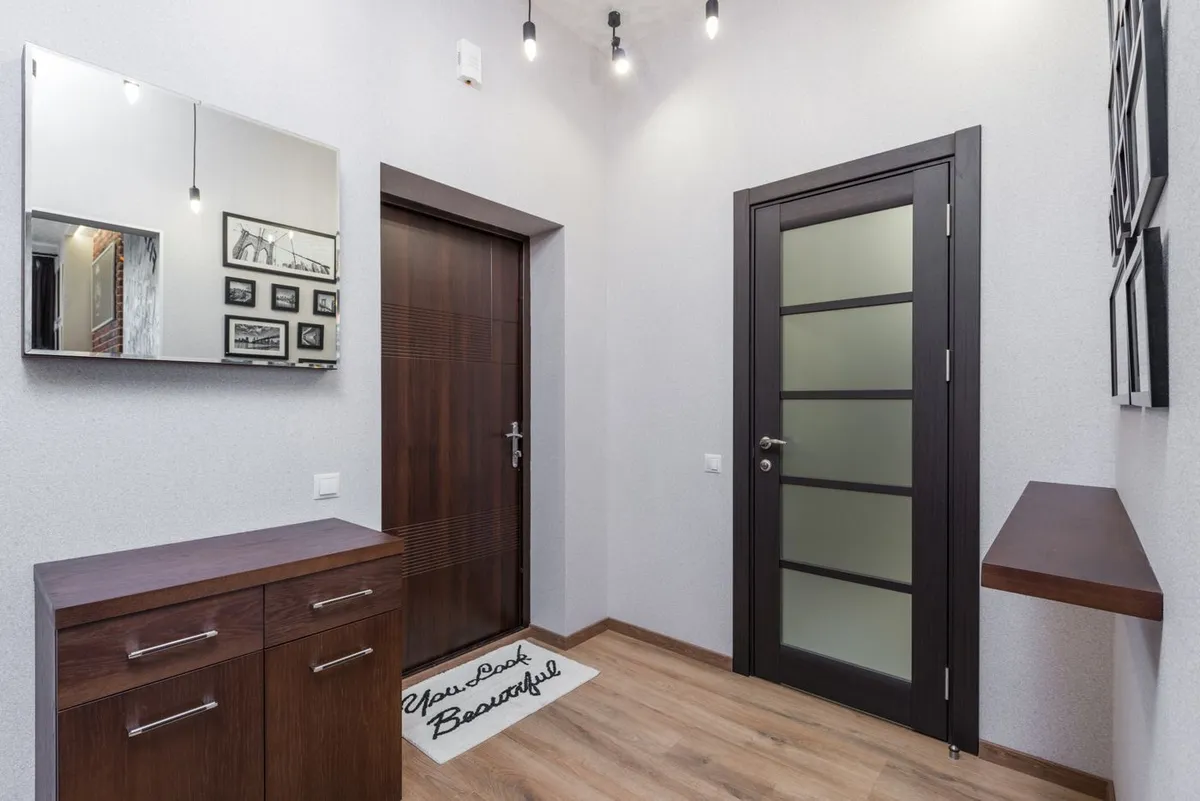
Before taking a picture display down to paint or rearrange a room, make a private reference for how it is currently positioned. This is a layout record rather than an attribution file. It helps preserve the relationship between the frame, furniture and neighboring objects without relying on a close-up image that loses all room context.
Decide what you may want to restore
Identify which part of the arrangement matters: the frame's relation to a console, its alignment with another picture or the visible gap above furniture. Record that question first. A photograph is more useful when you know which relationship it is meant to show.
Do not assume the current position must return unchanged. The reference preserves an option. It can also help explain why a later arrangement feels different, without turning the old layout into a rule that prevents the room from changing.
Take a context view and a detail view
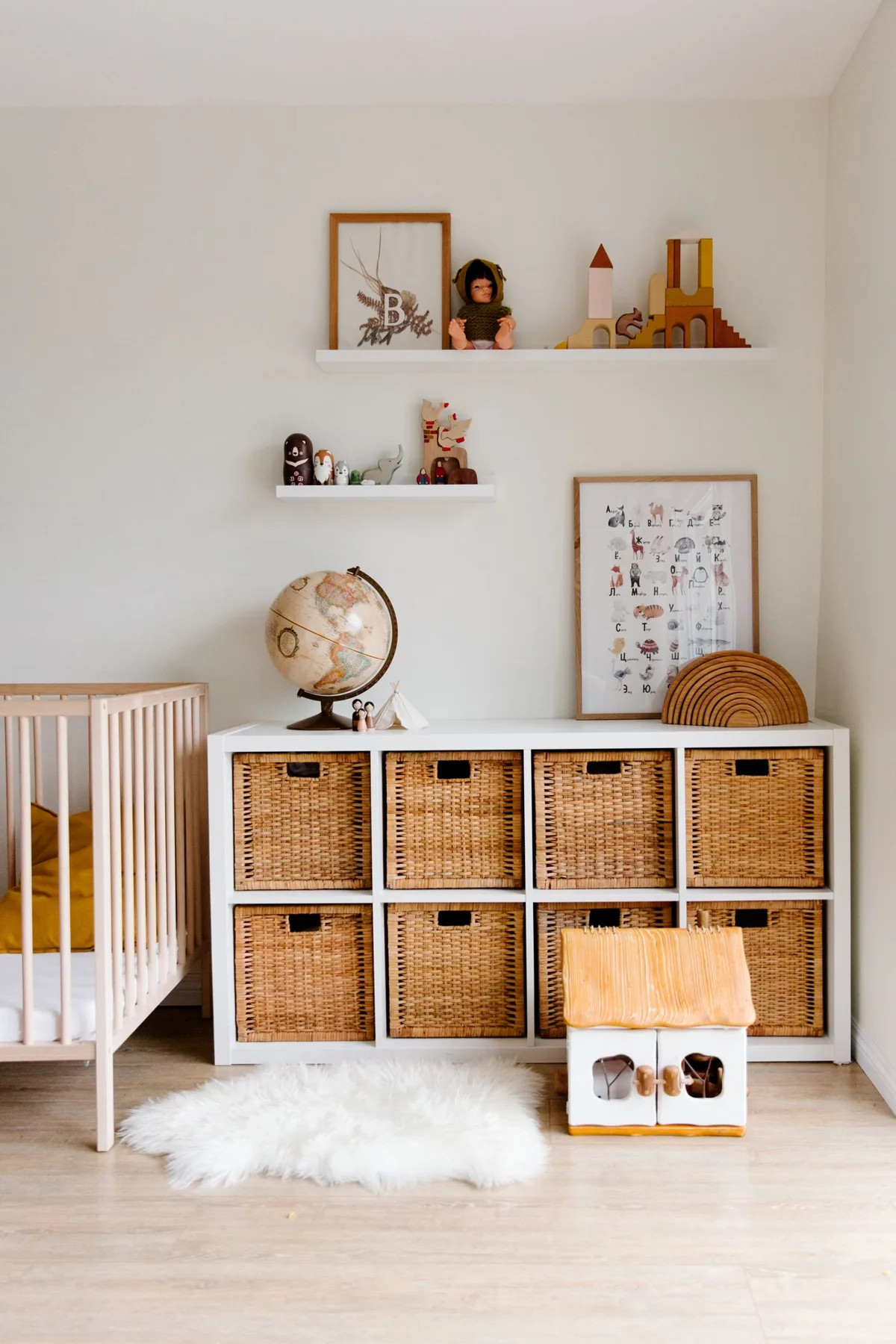
Use an ordinary room viewpoint to capture the full group, then a closer image for any relevant alignment or frame detail. Keep personal information, people and private reflections out of an image intended to be shared more widely. Store the record appropriately for its actual audience.
A context photograph can show visual relationships but should not be treated as a precise measurement. Camera angle and perspective affect distances. Write any required dimensions separately, naming their endpoints and units so they remain understandable after the furniture moves.
Keep installation information distinct
Note what is known about the existing hanging arrangement only where relevant and safe to record. Do not disturb or inspect an unsuitable fixing simply to complete the file. Any new installation needs an appropriate method for the frame, wall and location, with suitable professional help where needed.
A record of where a picture hung does not establish that the same fixing can be reused after other changes. Keep the layout preference separate from technical decisions. That distinction is particularly important when a heavier frame or another wall finish is introduced.
Name the record by the object and purpose
Use a clear private reference such as hall picture layout before repainting, with a date. Avoid naming it only by a room that may later change. Link any useful measurements to the same record so the close-up and context view do not become unrelated images.
When the display is restored or replaced, add the new arrangement if it has a continuing purpose and remove redundant temporary copies appropriately. The goal is a small usable reference, not an endless archive of every room adjustment.
Finish by looking at the room itself again. The record can support memory, but the new arrangement should be judged in its current setting. A good private layout note preserves useful context while leaving both the picture and the room free to take a different position when that works better.
Related reading
Carry a Room Color Through an Open Doorway, Give a Small Photo Outing Its Camera Return Stage.
More considered choices, fewer impulse buys.
Read our editorial standards →