Elderly Care Tips for Stroke Prevention in Hot Weather

Did you know that hot weather can increase the risk of stroke in older adults? Seniors are more sensitive to high temperatures, which can strain the heart and blood vessels.
Simple daily habits can make a big difference in preventing serious health problems. Heat waves are becoming more common, making it important to take extra care during summer. Many families worry about keeping their elderly loved ones safe in the heat.
Understanding practical prevention steps can reduce health risks significantly. Read on to discover essential tips for protecting seniors from stroke in hot weather.
Stay Hydrated at All Times
One easy way to avoid having a stroke is to drink enough water. Older people don't always feel thirsty, so it's important to make sure they drink water every day. Stay away from sugary or alcoholic drinks because they can make you lose water.
Fruits that are high in water, like cucumber and watermelon, can also help you stay hydrated. A simple habit that can help your health is keeping a water bottle nearby all day.
Limit Outdoor Heat Exposure
Direct sunlight and high temperatures can be dangerous for seniors. Try to schedule outdoor activities in the early morning or late evening. If going outside is necessary, wear light clothing and a wide-brimmed hat.
Using an umbrella or staying in shaded areas can reduce heat stress. Reducing exposure to extreme heat lowers the risk of stroke and other heat-related conditions.
Monitor Blood Pressure Daily
High blood pressure makes you more likely to have a stroke. Caregivers can be alerted to early changes at home if they are watched regularly. It's important to check your blood pressure every day because it may go up faster when it's hot outside.
Keep a simple record to see how things change over time. Reporting strange readings to a doctor makes sure that you get care right away and avoid problems.
Recognize Early Warning Signs
Knowing the signs of stroke can save lives. Look for sudden numbness, weakness, or difficulty speaking. Confusion, vision problems, and severe headaches are also warning signs.
Heat-related illness may mimic stroke symptoms, so careful observation is essential. Quick response and medical attention can prevent the long-term effects of heat stroke.
Maintain a Balanced Diet
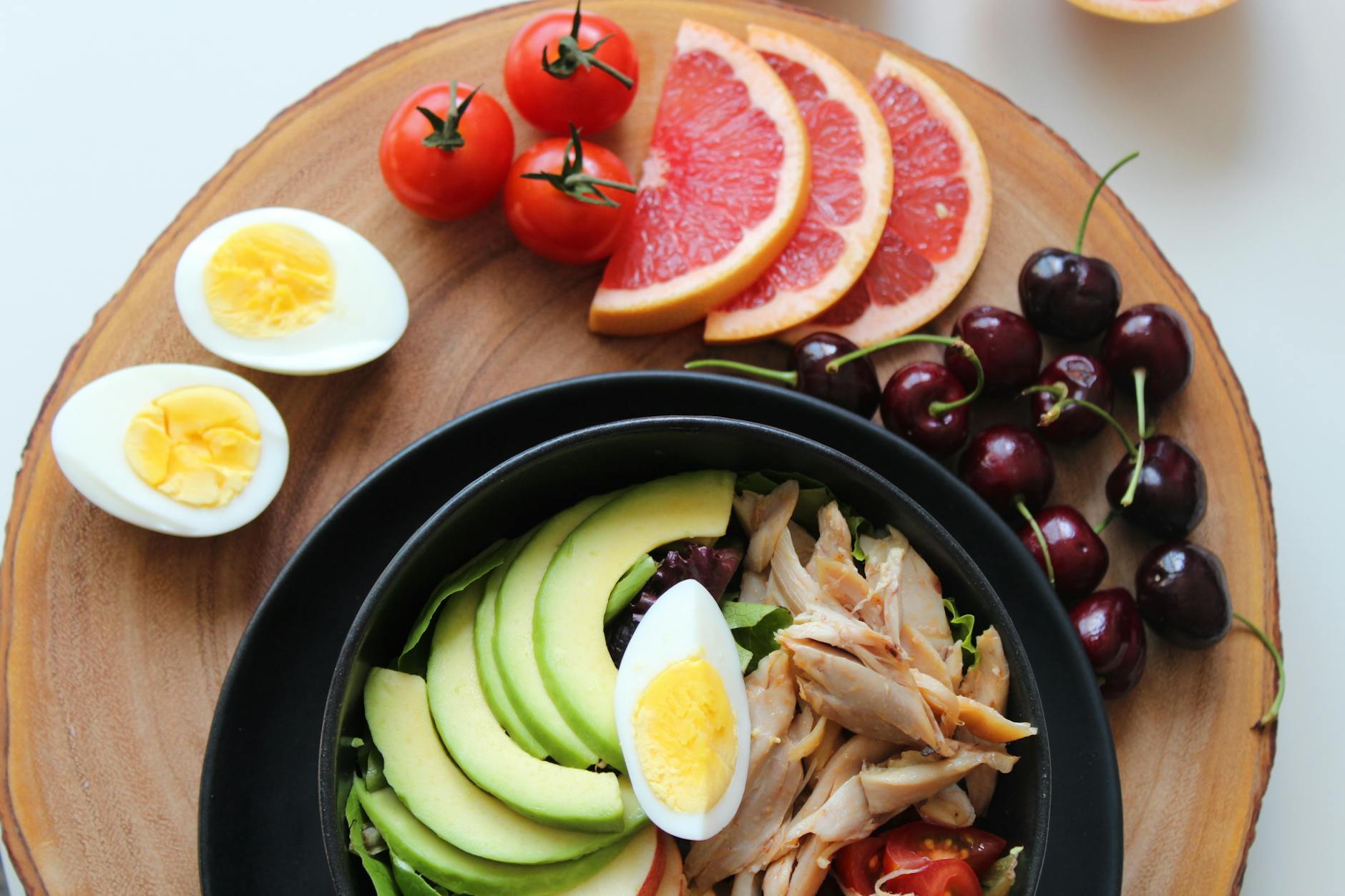
The body can handle heat stress better if it gets enough to eat. Fruits, vegetables, whole grains, and lean proteins should all be on the list. Cut back on processed foods and salt, which can make your blood pressure go up.
On hot days, seniors may find it easier to handle small meals more often. A healthy diet improves circulation and keeps the heart healthy in general.
Create a Cool Indoor Environment
Cool air or fans can help seniors stay safe and comfortable. Close the blinds or curtains when it's really hot outside. Make sure there is enough airflow and check the temperature inside often.
Taking a cool shower or a damp cloth can also help. A comfortable indoor setting lowers the risk of stroke and stress on the heart.
Elderly Care Guidance for Stroke Prevention in Summer
Taking preventive steps during hot weather can greatly protect older adults from stroke. Hydration, temperature control, monitoring health, and a balanced diet all work together to support safety.
Families can make small changes that have lasting benefits for their loved ones. Early recognition of warning signs and minimizing heat exposure are especially important.
Following these tips consistently helps reduce complications and improve overall well-being. Protecting seniors in summer is achievable with simple daily habits.
Did you like this guide? Great! Please browse our website for more!
- Residential Driveway Planning Guide: Materials, Drainage, Installation, and Maintenance - August 20, 2026
- A Flexible Zion National Park Itinerary for Hikers, Families, and Scenic Road Trippers - August 20, 2026
- Persistent Odors Need Source-Level Treatment: FIRESTONE Restoration Provides Professional Ottawa Sanitizing Services - August 20, 2026