Look at a Dress’s Seams When Comparing Fit
Our guides are independently written. Some shopping links may earn us a commission when identified as affiliate links, at no extra cost to you. Read our disclosure.
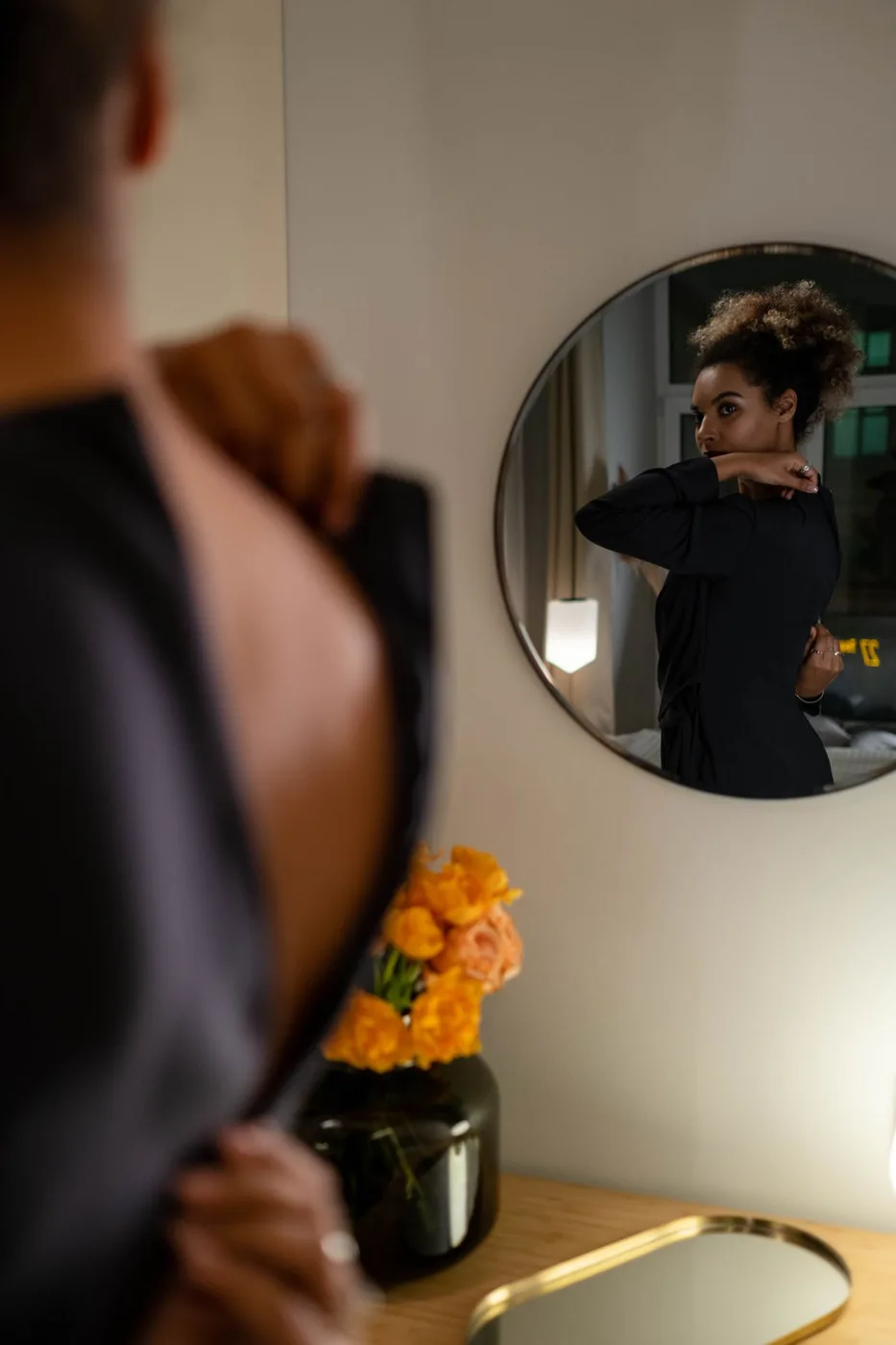
Look beyond the size label
When comparing a dress's fit, the position of its seams can offer useful observations alongside personal comfort. Look at the actual construction rather than assuming every dress places shaping in the same way. A size label alone cannot describe how the garment relates to a particular wearer.
Start with the dress worn as intended and a clear occasion. Keep your own preferences central. This is an observation guide, not a tailoring diagnosis or a rule that a seam must sit at an identical point on everyone.
Notice the garment’s intended lines
Identify the visible shoulder, waist or panel seams present on this particular dress. Some designs deliberately place them away from conventional positions. Compare the product description and images where useful, while recognizing that another wearer does not establish your own fit.
Avoid deciding a design is wrong merely because it differs from a familiar dress. Name what you actually notice: a seam feels restrictive in a relevant movement, or a panel creates a shape you do not prefer.
Include the seated view
Try the ordinary sitting position relevant to the occasion and stand again. Notice whether the garment returns comfortably or needs repeated rearrangement. Keep the footwear and suitable underlying clothing consistent during the comparison.
Our outfit trial guide supports this focused approach. A seam that looks different in a still mirror view may not be the issue during real use. Keep the observation connected to the actual activity rather than a photograph alone.
Compare another size or design deliberately
If shopping permits a suitable trial, compare the specific question with another available option. Do not assume that changing size resolves every construction relationship. One area may improve while another no longer suits your preferences.
Read current product details and applicable return terms. Seek appropriate fitting advice where useful, especially before considering alterations. A change involving several panels or closures may have tradeoffs that cannot be judged from a simple fold in the fitting room.
Keep the result specific
Record a short concrete observation if it helps future choices. “This waist seam feels uncomfortable when seated” communicates more than deciding you cannot wear a whole dress category. Another design can have a different relationship even when its marketing name sounds similar.
Our everyday outfit guide supports choosing around actual conditions. A useful fit decision respects the garment's construction and the wearer's experience without treating a sizing label as a personal verdict.
Dress-seam questions
Must every waist seam sit in the same place? Consider the actual design and your preferences.
Does a larger size always solve a seam concern? Compare the complete fit and construction.
Should alterations be assumed easy? Ask someone with appropriate expertise about the specific garment before deciding.
More considered choices, fewer impulse buys.
Read our editorial standards →