Plan a Clothing Try-On Trip Around the Outfit Gap
Our guides are independently written. Some shopping links may earn us a commission when identified as affiliate links, at no extra cost to you. Read our disclosure.
Name the missing job
A clothing-shopping trip is easier to assess when the need is specific. Write down the outfit or activity that is not currently working: a layer for an existing dress, trousers for an ordinary workday or a comfortable piece for a repeat weekend plan. More clothes is not a useful brief.
Check the closet first, including pieces in laundry or repair. Keep optional browsing separate from the necessary purchase. That distinction leaves room to enjoy a shop visit without allowing every appealing item to pretend it solves the original problem.
Bring the relevant reference
Take a private photograph or a clear note of the clothes the purchase should work with. Where practical and appropriate, wear or bring the relevant existing piece. Color alone does not describe the whole relationship; length, volume and the way layers sit together can matter.
Keep useful measurements and the retailer's current sizing information available. Do not assume that a familiar size label will fit across different products. Check the actual item and seek help from the retailer where the product information is unclear.
Try the intended combination
Use the shoes and layers that reflect the planned outfit where possible. Sit, walk and reach comfortably during the fitting process. Notice specific restrictions or awkward details instead of judging only the front view in a mirror.
Keep your own intended use central to the decision. Another person's opinion can be useful if you want it, but the garment still has to work for your activities and preferences. A piece that needs several additional purchases to complete one ordinary outfit may not solve the gap as simply as it first appears.
Read the care information
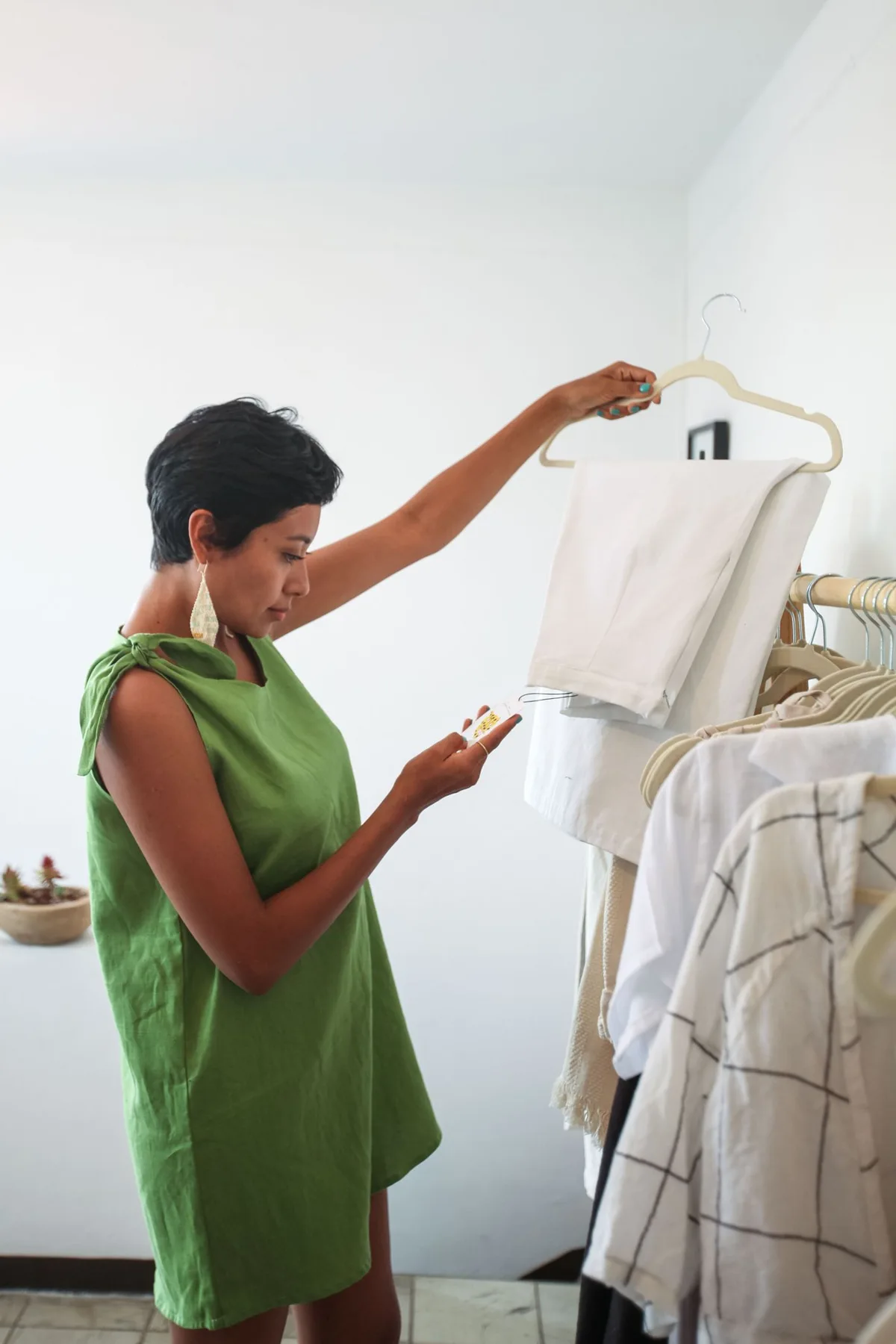
Check the care label and material information before buying. Consider whether the garment fits the maintenance routine you actually use. Similar-looking fabrics can have different instructions, so do not decide from appearance or softness alone.
Inspect relevant closures, seams and features and compare them with the job the garment must do. If a detail needs alteration, obtain suitable information about the work and cost before committing. An assumed easy fix can change the practical value of a purchase.
Compare a short shortlist
Keep a few suitable options and note why each works or fails. A brief record can prevent repeatedly reconsidering the same unsuitable item. Do not increase the shortlist merely because the first choice is uncertain; return to the original outfit need.
Our color-palette guide helps connect repeat pieces. The outfit-combination guide offers an example of judging one piece through several uses. Buy for a clear relationship with existing clothes rather than a theoretical future wardrobe.
Make the final check at home
Review the purchase with the intended clothes and follow the retailer's current trial and return conditions. Keep receipts and product information until suitability is established. Do not rely on a remembered policy from another store or an earlier visit.
Return unsuitable pieces through a clear process instead of allowing them to become another category of unworn clothes. Mark the original gap as solved only when the garment genuinely works. A successful trip may end with one useful piece or with a clearer reason to keep looking.
Keep the shortlist beside the original outfit brief rather than in a separate collection of attractive photographs. For each option, record the existing clothes it works with and the unresolved question, if any. This makes the final decision easier to explain to yourself after the immediate excitement of browsing has passed.
Try-on trip questions
Should I buy several sizes online instead? Choose the method that suits the product, current retailer conditions and your situation. Check the actual terms directly before planning a return-heavy order.
What if a piece is beautiful but unnecessary? Treat it as an optional purchase with its own budget and realistic use, rather than labeling it essential.
Can a discount justify an uncertain fit? A lower price does not make a garment comfortable or useful. Resolve the practical question before allowing the promotion to decide.
More considered choices, fewer impulse buys.
Read our editorial standards →