Plan a Small Clothing Swap With Clear Choices and Leftovers
Our guides are independently written. Some shopping links may earn us a commission when identified as affiliate links, at no extra cost to you. Read our disclosure.
Agree on the purpose and size
A clothing swap among friends can be enjoyable when everyone understands the plan. Keep the group and collection manageable and explain whether the meeting is a casual opportunity to choose useful pieces rather than a formal equal-value exchange. Avoid assumptions that every person must bring or take the same amount.
Make participation comfortable and optional. Clothing preferences, fit and household storage differ. The aim is a clear opportunity to pass on suitable pieces, not pressure to accept something because a friend has brought it.
Choose contributions honestly
Bring garments whose condition and identity can be described accurately. Keep care labels and relevant information available. Separate pieces needing repair or another decision rather than presenting them as ready to wear without explanation.
Do not include items whose suitability for a particular use cannot be established. Respect any product information that matters. A smaller clearly assessed selection can be more useful than several bags brought solely to empty a closet. The recipient should be able to make an informed choice.
Prepare the room for browsing
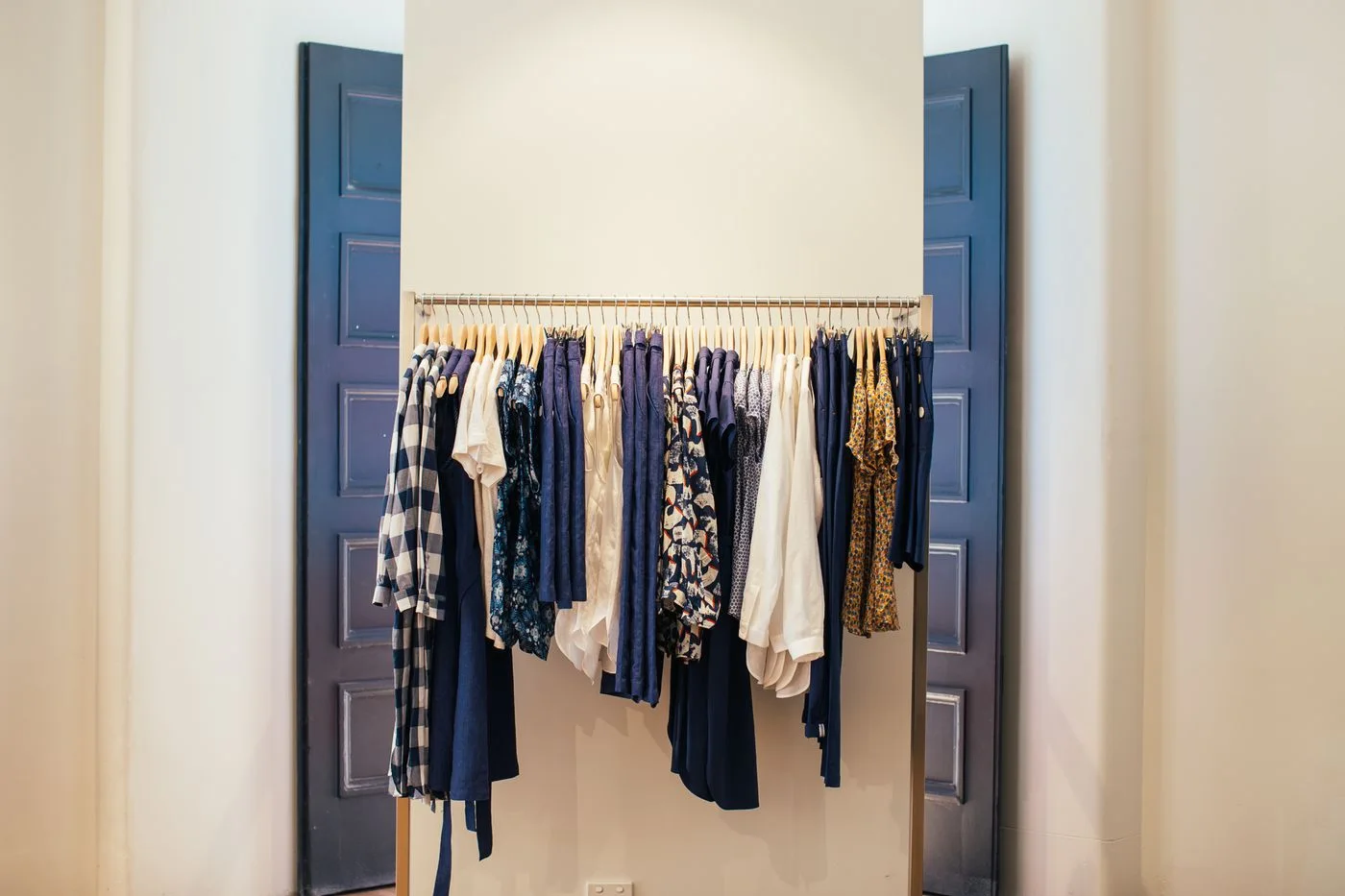
Choose a suitable display and trying-on arrangement that preserves privacy and comfortable movement. Keep exits and ordinary routes clear. A clean suitable rail or surface can work without buying temporary shop fittings.
Leave room for people to handle pieces without knocking over drinks or unrelated objects. Keep food and clothing separate where that protects both. The setup should support an ordinary friendly gathering rather than imitate a commercial event with more equipment than the home can accommodate.
Keep ownership clear until a choice is made
Agree on when a piece becomes part of the swap and whether its owner wants it back if unchosen. Use a simple private record or suitable identification method that does not damage the garment. Avoid mixing contributions before those expectations are understood.
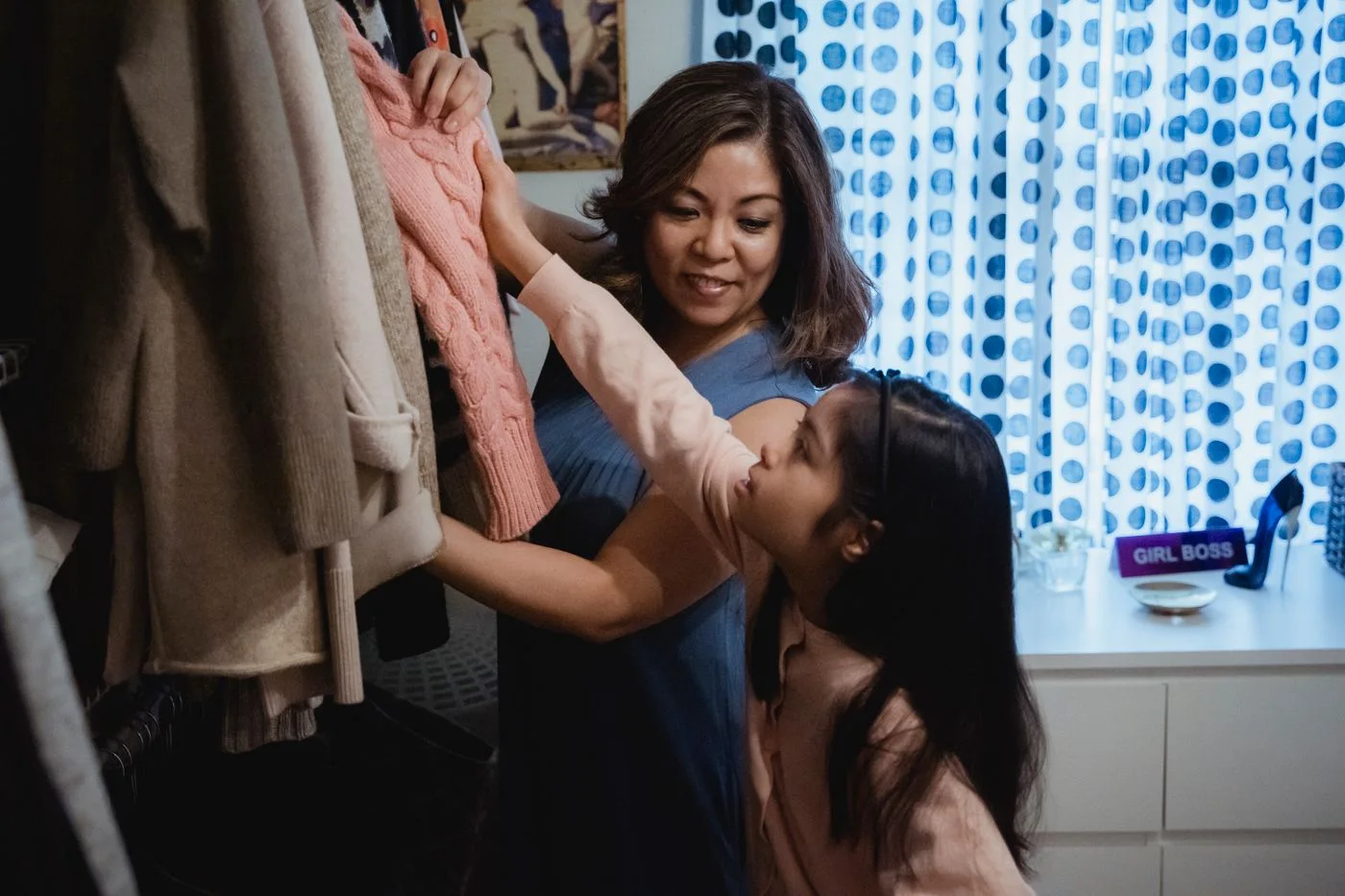
Let people ask practical questions about fit, care or condition without treating hesitation as criticism. A garment can be lovely and still unsuitable for someone else's routine. Clear choices make the handover kinder than encouraging everyone to take a piece simply to avoid leftovers.
Choose by realistic use
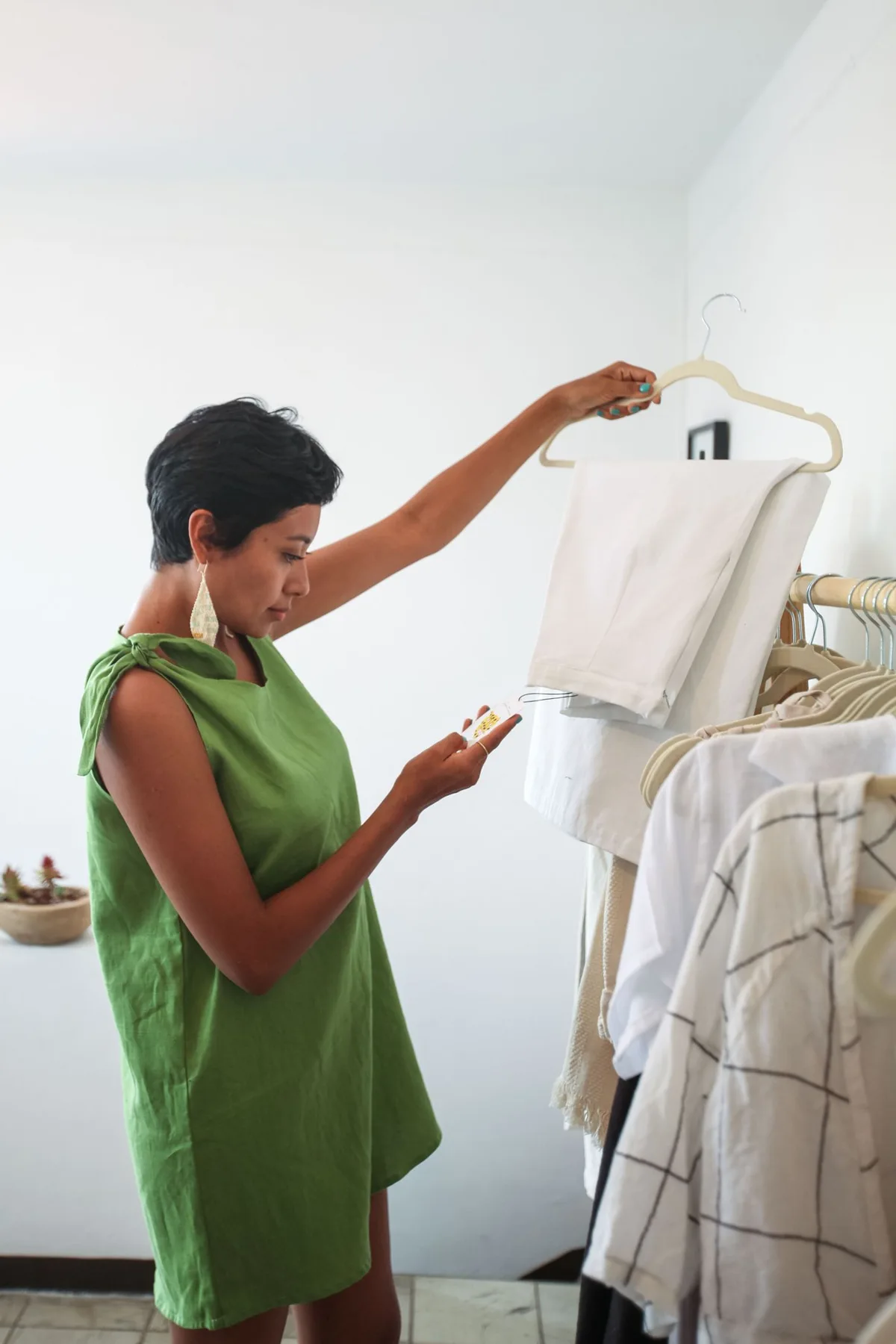
Try or assess pieces appropriately and consider the clothes already owned. Name the outfit or activity the garment would serve. Keep care requirements and any necessary alteration in the decision rather than assuming every free item offers practical value.
Our outfit try-on guide can help assess a choice at home. A useful swap piece should connect with the wardrobe rather than become another item waiting for several future purchases. Declining a piece can be a thoughtful decision.
Plan unchosen items before the gathering
Agree whether owners take their pieces home or whether another appropriate destination will be arranged with consent. Check any organization or service's current acceptance requirements directly before relying on it. Do not promise that every leftover will be accepted somewhere.
Keep condition descriptions honest during any onward handover. The host should not unexpectedly inherit every unchosen bag because the event ended. A clear return plan is part of organizing the swap, not an awkward detail to discuss while people are leaving.
Finish with a clear home return
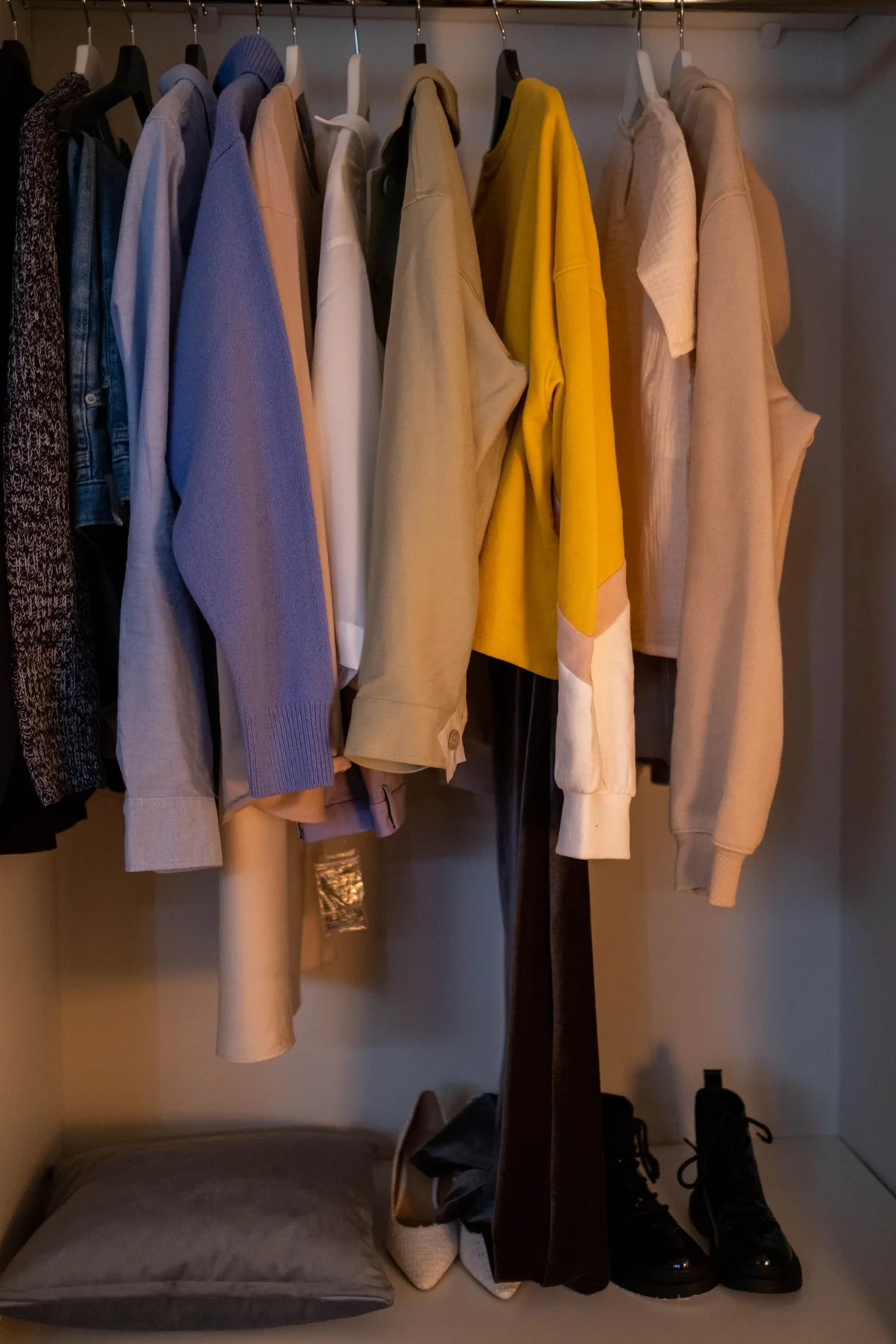
Take chosen items home through their appropriate care and storage routine. Reassess fit and useful role before mixing them into the active wardrobe. Keep any care information associated with the garment.
Our wardrobe palette guide can support a coherent collection, while the care queue guide helps with identified tasks. A swap is successful when suitable pieces reach useful new roles and the gathering does not leave another pile of unresolved clothing.
Clothing-swap questions
Must everyone contribute the same number? Agree on a comfortable format in advance. A small friendly swap does not need a complicated points system unless the group actually wants one.
Can repair projects be included? Only with a clear honest description and willing recipients. Do not hide the work needed inside a general contribution pile.
What if nobody wants a piece? Follow the agreed leftover plan. A garment being unchosen at one gathering does not create an obligation for someone else to take it home.
More considered choices, fewer impulse buys.
Read our editorial standards →