Easy Outfit Formulas for Humid Days
Our guides are independently written. Some shopping links may earn us a commission when identified as affiliate links, at no extra cost to you. Read our disclosure.

On a humid morning, the outfit problem often appears before breakfast: you want coverage for the train and office, freedom to move outside and clothes that still feel pleasant after a busy day. A useful formula reduces decisions without pretending every person experiences heat in the same way. Start with fit and routine, then use fabric labels as one piece of the picture.
Loose does not have to mean shapeless, and lightweight does not always mean opaque. Hold fabrics up to light, sit in them and check how they feel against your skin. If the label specifies special care, decide whether you will realistically follow it after a warm commute.
Formula one: a roomy shirt and straight shorts
Choose shorts with enough length and ease for sitting, then add a shirt that moves without pulling across the shoulders. Wear it loose, lightly tucked or open over a simple tank depending on your preferred coverage. A shirt with very long tails can bunch under a bag; checking that small detail prevents an outfit that needs constant adjustment.
This combination suits errands, casual lunch and relaxed days away. For a more polished version, repeat one color in the shorts and shoes. A bright shirt can supply all the decoration you need. Before buying another printed piece, make sure it works with at least two bottoms already in your wardrobe.
Formula two: a simple dress with secure shoes
A dress can make getting ready easy, but assess the entire garment rather than the photograph. Walk in it, raise your arms and sit. Consider the neckline, sleeve opening and whether the skirt catches when you climb stairs or step into a car. A dress you can only wear while standing still is not a convenient everyday solution.
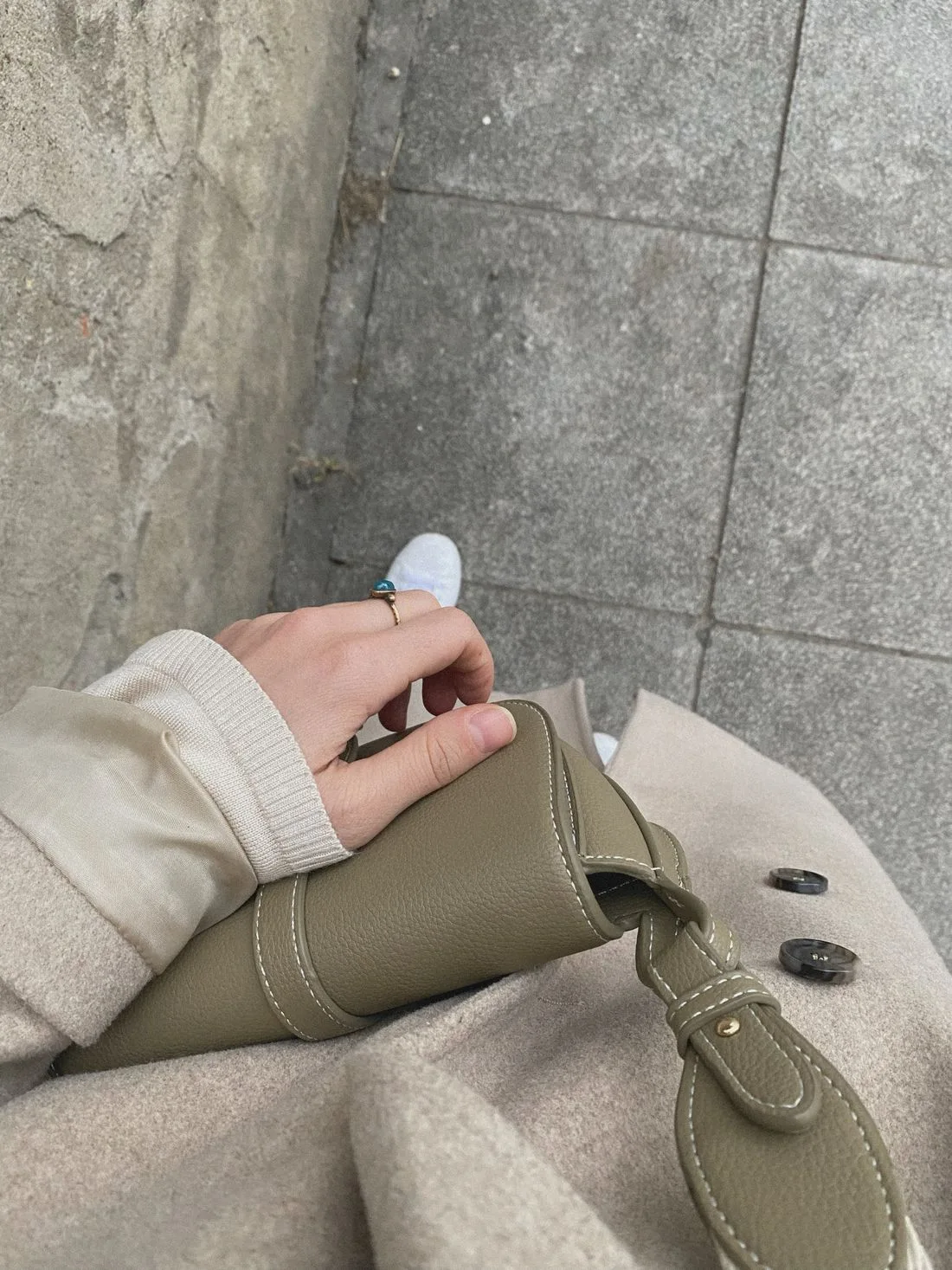
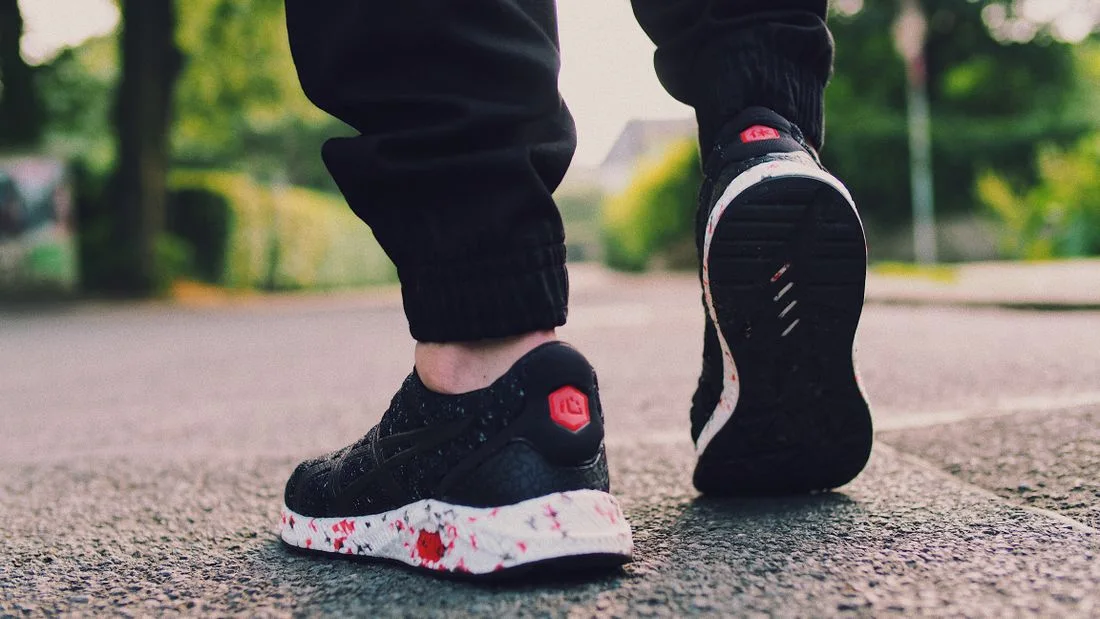
Look for shoes that stay comfortably on your feet during the day’s actual activities. Flat sandals may suit a short outing, while a familiar sneaker can be better for extended walking. Add a small crossbody if it lies comfortably against the dress, or choose a tote when you need to carry a layer and purchases.
Formula three: wide trousers and a tidy top
Room through the leg can feel less restrictive than a close fit. Pair wide trousers with a top that gives you a clear waist or shoulder line without clinging. That might be a boxy tee, a knitted shell or a shirt with a modest tuck. There is no need to choose the shortest or tightest top simply because the bottom has volume.
Check how the waistband behaves after a meal and whether pockets lie flat when filled. For pale trousers, assess opacity in daylight rather than trusting indoor lighting. The linen trousers guide walks through a complete fit check and three ways to use the same pair.
Plan the indoor transition
If you spend hours in strong air conditioning, carry a light layer that fits in your bag. It should work over the outfit without requiring a complete change. A cardigan may fold more compactly than a jacket, but a shirt can also become an extra layer. Compare what you already own before buying something marketed specifically for travel or summer.
Keep accessories deliberate. Heavy necklaces and several stacked bracelets can feel distracting in damp weather. One familiar piece, sunglasses and a useful bag often make a more comfortable finish. The goal is an outfit you forget about once you leave home.
A small shopping filter
Before checkout, ask whether the garment works with your usual underwear, whether you can clean it conveniently and whether it fills a real gap. Read the listed composition and care instructions; do not assume every item carrying a natural-fiber label behaves identically. Construction, lining and fit also affect wearability.
Build a repeatable rotation of a few successful combinations. Photograph them on your phone if remembering outfits helps you get dressed faster. For a coordinated rotation with fewer purchases, use the small wardrobe color palette exercise.
More considered choices, fewer impulse buys.
Read our editorial standards →