Basics of Responsible Dog Ownership
Owning a dog brings immense joy, companionship, and lifelong memories, yet it comes with responsibilities that require time, attention, and knowledge. Understanding how to properly care for a dog helps ensure their health, happiness, and integration into your home and community. This guide covers key aspects of responsible dog ownership, from choosing the right breed to daily care practices, to create a fulfilling relationship between you and your canine companion.

Choosing the Right Dog for Your Lifestyle
Selecting a dog that fits your lifestyle sets the foundation for a successful relationship. Different breeds have varying energy levels, temperaments, and space requirements. Small apartment-friendly breeds may thrive in limited spaces, while larger, more active breeds benefit from yards and frequent outdoor activity.
Assessing your schedule, living arrangements, and activity level will help identify a dog that complements your day-to-day life. Taking the time to research breeds and understanding their behavioral tendencies reduces stress for both you and your pet. Visiting local shelters can also provide insight into mixed breeds, which often bring unique personalities and traits.
Proper Nutrition and Feeding Habits
Feeding your dog the right food in appropriate amounts has a direct impact on their health, growth, and overall quality of life. Dogs require a balanced diet that includes protein for muscle development, carbohydrates for energy, fats for healthy skin and coat, and essential vitamins and minerals to support bodily functions.
Puppies, adults, and senior dogs have differing nutritional needs, and tailoring meals to their life stage helps maintain optimal health. Active dogs may require higher protein and calorie intake, while less active dogs benefit from lighter portions to prevent weight gain. Providing fresh, clean water throughout the day is equally important, as proper hydration supports digestion, circulation, and temperature regulation.
Avoid feeding dogs table scraps or foods that are toxic to them, such as chocolate, grapes, onions, and certain artificial sweeteners, as these can lead to serious health issues. Creating a consistent feeding schedule also encourages good digestion and helps regulate energy levels, while observing how your dog responds to different foods can highlight preferences and potential sensitivities. Incorporating high-quality dog food, occasionally supplemented with vet-approved treats, supports a strong immune system, shiny coat, and long-term well-being.
Grooming and Hygiene
Grooming goes beyond appearance and plays a key role in a dog’s physical and mental health. Regular brushing prevents mats and tangles while reducing shedding. Bathing should be done as needed, keeping in mind that over-washing can strip natural oils from the skin. For dogs that enjoy outdoor activities or live in wet climates, using microfibre dog towels during drying after walks or baths can dramatically reduce grooming time and minimize mess in your home. These towels absorb water quickly, leaving the coat clean and dry without causing discomfort. Nail trimming, ear cleaning, and dental care should also be part of a routine to prevent infections and other health issues.
Exercise and Mental Stimulation
Dogs require regular exercise to stay physically fit and mentally sharp. Daily walks, play sessions, and opportunities to explore new environments provide both physical activity and mental engagement. Mental stimulation can include puzzle toys, training sessions, or interactive games that challenge problem-solving abilities.
Active dogs that do not receive adequate exercise may develop destructive behaviors or experience stress and anxiety. Tailoring activities to your dog’s breed, age, and personality helps maintain a balanced lifestyle while deepening the bond between owner and pet.
Training and Socialization
Training your dog lays the foundation for good behavior and strengthens communication between you and your pet. Basic commands like sit, stay, come, and heel create a sense of order and safety. Positive reinforcement methods, such as praise or treats, encourage desired behavior and reduce fear or anxiety during learning.
Socialization with other dogs, people, and different environments is crucial, especially during the early months, to build confidence and adaptability. Proper training contributes to a dog’s well-being and ensures they behave appropriately in public spaces and at home.
Regular Health Care and Veterinary Visits
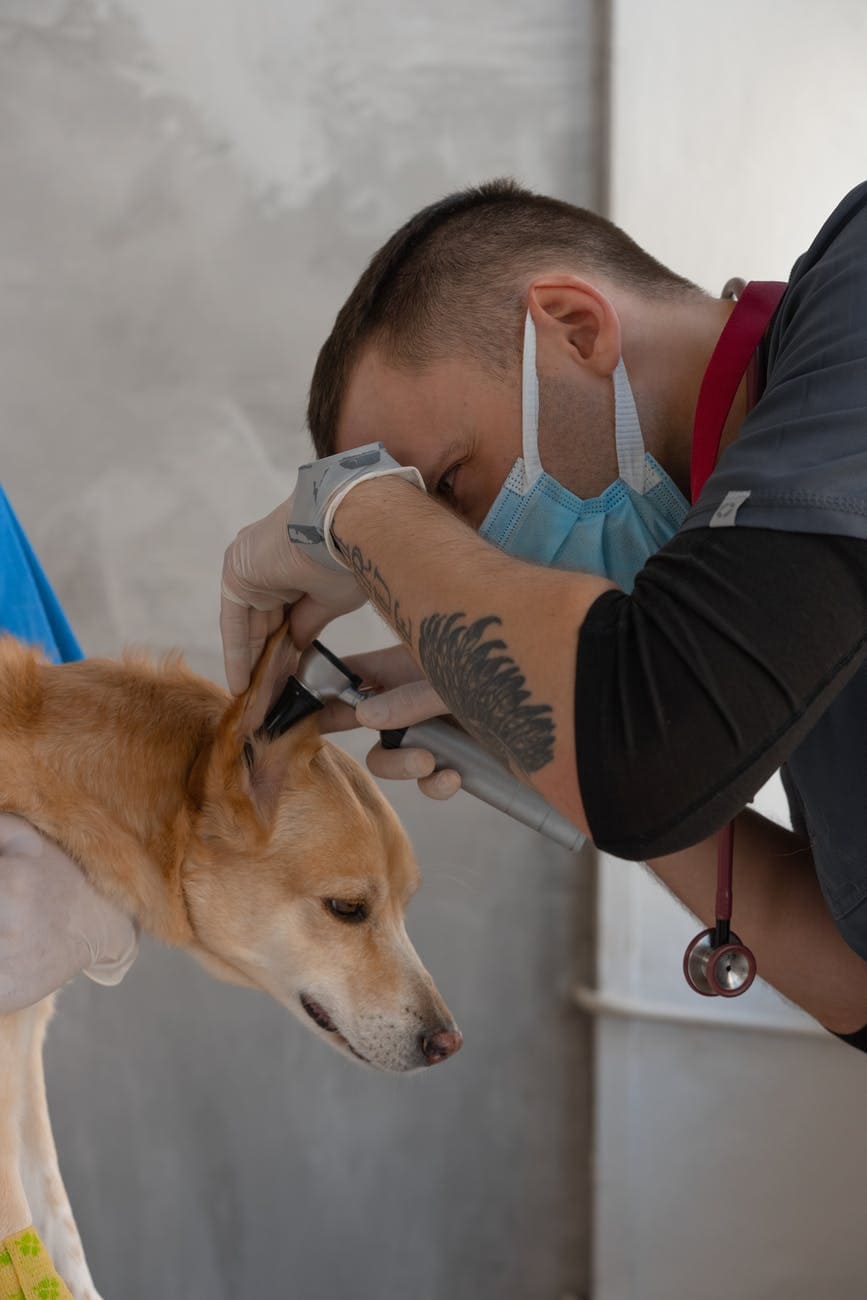
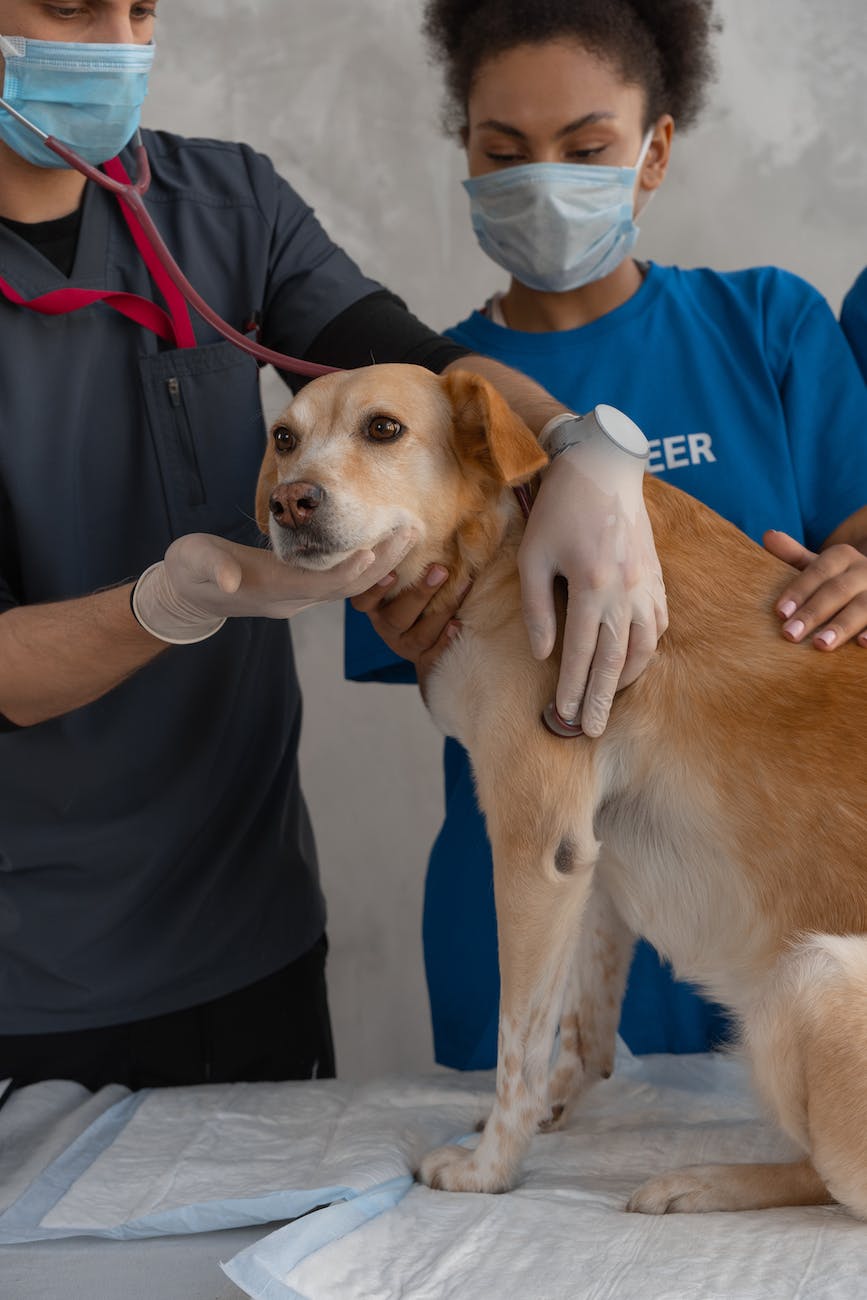
Maintaining a regular veterinary schedule is a cornerstone of responsible dog ownership. Routine check-ups, vaccinations, and preventive treatments for parasites help prevent disease and detect health issues early. Understanding common signs of illness, such as changes in appetite, behavior, or energy levels, allows prompt attention and treatment.
Spaying or neutering, dental care, and microchipping also play significant roles in long-term health and safety. Partnering with a trusted veterinarian ensures that your dog receives professional guidance and care tailored to their individual needs.
Caring for a dog requires more than basic attention; it demands commitment, empathy, and patience. By choosing the right breed, providing proper nutrition, grooming regularly, exercising, training, and maintaining health care routines, owners can create an environment where their dogs thrive. Responsibility in dog ownership nurtures a loving and secure relationship that lasts for years, offering both companionship and fulfillment.
- Residential Driveway Planning Guide: Materials, Drainage, Installation, and Maintenance - August 20, 2026
- A Flexible Zion National Park Itinerary for Hikers, Families, and Scenic Road Trippers - August 20, 2026
- Persistent Odors Need Source-Level Treatment: FIRESTONE Restoration Provides Professional Ottawa Sanitizing Services - August 20, 2026