How to Choose Walking Shoes for a Full City Day
Our guides are independently written. Some shopping links may earn us a commission when identified as affiliate links, at no extra cost to you. Read our disclosure.
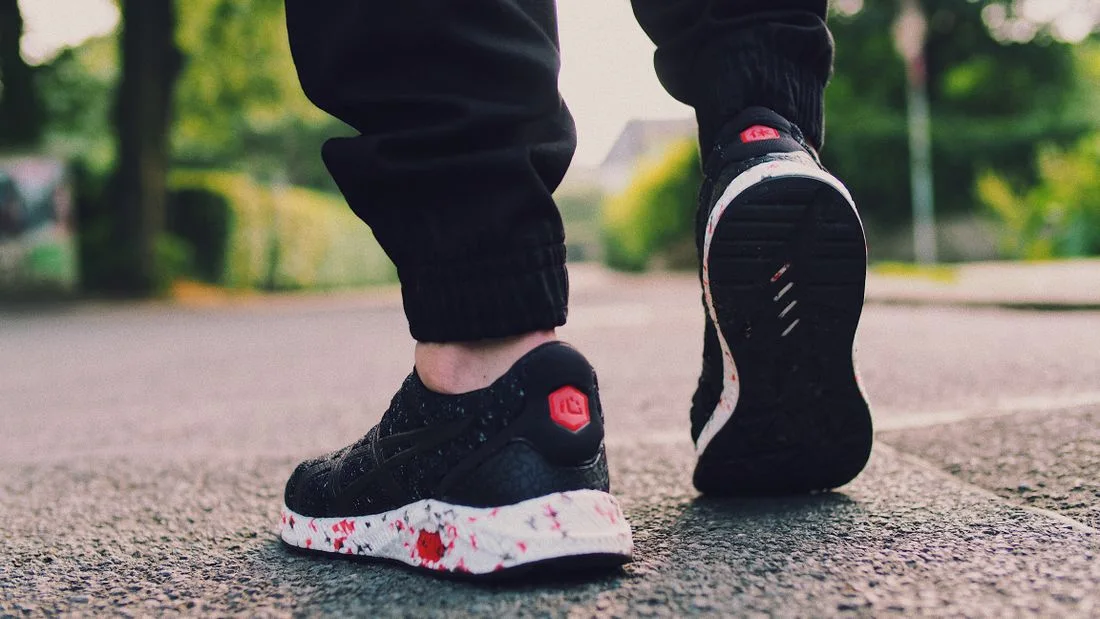
A city day rarely means walking continuously on a smooth path. It means standing in a museum queue, climbing station stairs, stopping for lunch and carrying a bag while finding the next address. Shoes need to work for that whole sequence. An attractive pair that feels fine beside the mirror may be a poor choice after several hours away from home.
Begin with the shoes you already reach for. Note what makes them useful and what makes you leave them behind. Perhaps laces take too long when leaving the house, the heel slips on stairs or a rigid upper presses against your toes. Those observations create a better shopping brief than a universal list of supposedly perfect shoes.
Shop for your route, not just the category name
For mostly paved streets and indoor stops, an everyday sneaker may be enough. If your itinerary includes gravel paths or wet outdoor areas, examine the outsole and upper more carefully. A label such as travel shoe does not tell you how a particular design will fit your feet or behave on every surface.
Think about the weather and the rest of your clothing. A heavy pair can feel awkward with a lightweight summer wardrobe, while a very open shoe may leave you wishing for more coverage on a cool train platform. Choose around the conditions you reasonably expect, and keep a backup plan for weather that changes.
Make the fitting session useful
Wear the socks you plan to use. Bring any inserts you already rely on, and check whether the shoe’s interior accommodates them without making the heel unstable. Try both shoes; feet do not always feel identical in the same pair.
Walk, turn, pause and use a step if the shop provides one. Your heel should feel secure without painful pressure. Toes need room to move, but excessive length can leave you gripping to keep the shoe in place. A tight spot that hurts immediately is a reason to consider another size or shape, rather than a promise that the shoe will eventually become comfortable.
An adjustable closure can help you fine-tune the fit. Laces offer flexibility, but some people prefer straps for easier changes. Slip-ons save a moment at the door, although they depend more heavily on the shape matching your foot. Treat convenience and security as a tradeoff to test, not a reason to dismiss an entire style.
Compare details that matter after purchase
| Detail | Useful question | Possible compromise |
|---|---|---|
| Upper | Does it rub when bending? | Softer fabric may feel less structured |
| Outsole | Is the tread suitable for my route? | A substantial sole can add bulk |
| Closure | Can I adjust it comfortably? | More adjustment may take more time |
| Cleaning | Can I follow the care instructions? | Light colors may need more attention |
| Returns | Can I assess fit indoors before deciding? | Worn-outside returns may be excluded |
Read the retailer’s current return terms before ordering several sizes. Keep packaging until you decide, and test indoors on a clean surface if the policy requires unworn condition. A good return option does not replace fit assessment, but it makes a considered decision easier.
Build the outfit around a realistic shoe
Try the prospective pair with two everyday outfits and one trip outfit. Check trouser hems, socks and how much of the shoe remains visible. Buying a second wardrobe to make one pair work can turn a practical purchase into a costly project.
For a sightseeing trip, bring familiar shoes rather than making departure day their first long outing. Alternate with another suitable pair when your plans allow, and adjust the itinerary if your feet hurt. Persistent foot pain or special support needs deserve advice from an appropriate clinician rather than a shopping guide.
Use these checks alongside the rainy city-break packing guide and the one-bag train weekend plan. Both start with the same principle: pack for the ordinary transitions that fill a real day.
More considered choices, fewer impulse buys.
Read our editorial standards →