
Understanding Tooth Sensitivity: Causes, Remedies, and Prevention
If you've ever winced while sipping a hot beverage or cringed while enjoying a scoop of ice cream, you're likely familiar with tooth sensitivity. This uncomfortable sensation, often described as a sharp, fleeting pain, can put a damper on your eating and drinking experiences. Here's a look into the world of tooth sensitivity – what causes it, how to find relief, and how to keep it at bay by using mouthguards, getting dental check-ups from professionals like Smiles Orthodontics, fixing your diet and more.
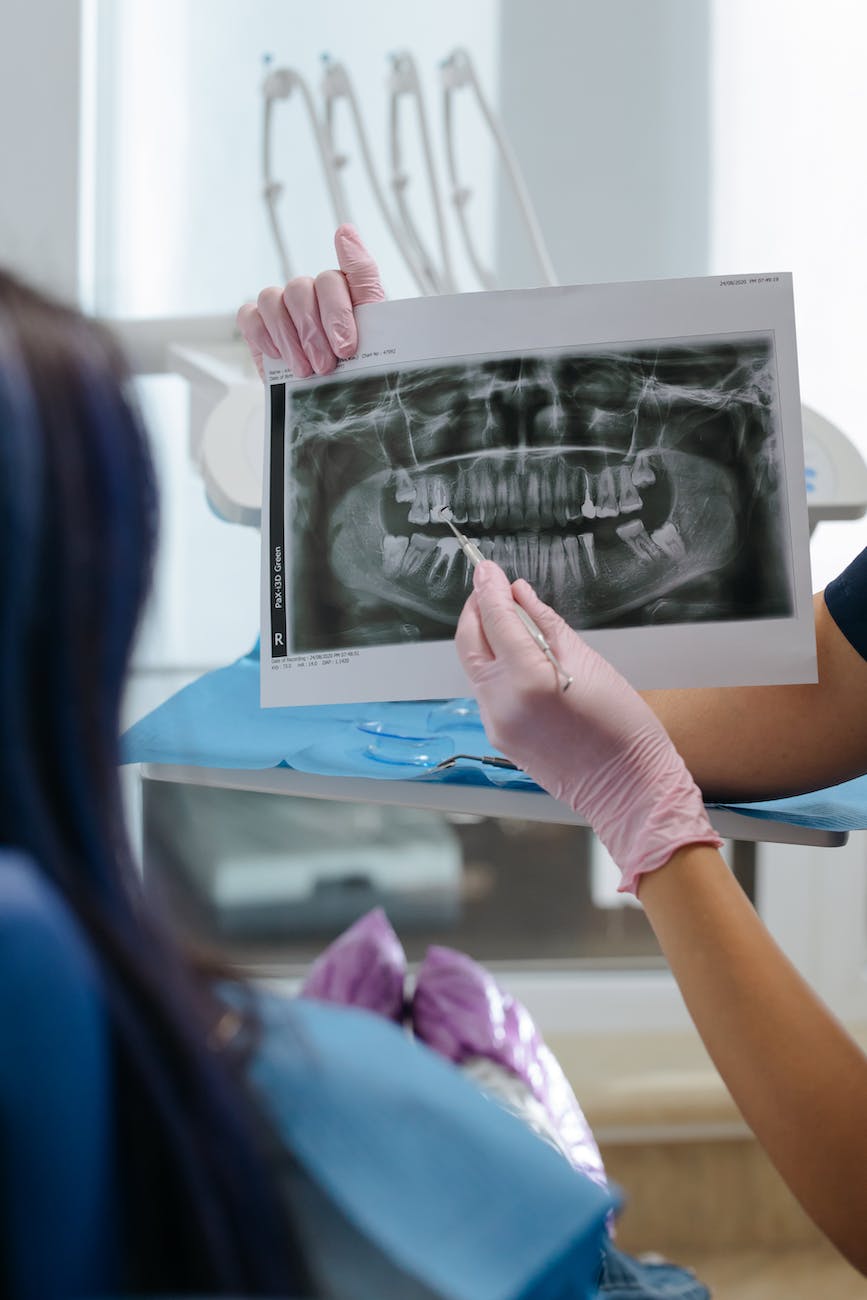
Causes of Tooth Sensitivity
To unravel the mystery of tooth sensitivity, you have to first understand what's happening beneath the surface. Your teeth are protected by a layer of enamel, which guards the sensitive inner layers. When this protective shield is compromised, various triggers can lead to discomfort:
Gum Recession: Receding gums expose the tooth roots, which are not as well-armored as the enamel-covered crowns. These roots contain microscopic tubules that connect to nerve endings, making them susceptible to temperature changes and certain foods.
Enamel Erosion: Acidic foods, beverages, and improper brushing habits can wear down the enamel over time. As the enamel thins, the nerves within the teeth become more exposed to external stimuli.
Cracked Teeth: Cracks in teeth, even tiny ones, can cause pain when they come into contact with hot, cold, or sweet substances. These crevices can harbour bacteria, leading to inflammation and sensitivity.
Bruxism: Grinding or clenching your teeth, often unconsciously during sleep, can weaken enamel and cause sensitivity. The force generated during grinding can even lead to cracks or fractures.
Dental Procedures: Teeth whitening treatments or dental restorations like fillings or crowns can trigger temporary sensitivity, but it usually subsides after a short while.
Remedies for Tooth Sensitivity
Now that you've uncovered the sources of tooth sensitivity, here are some practical steps you can take to find relief:
Desensitizing Toothpaste: Switch to toothpaste specially formulated for sensitive teeth. These contain compounds that block nerve pathways, reducing the sensation of pain.
Soft-Bristled Brush: Opt for a soft-bristled toothbrush to minimize irritation to the gums and enamel. Brush gently in a circular motion to avoid abrasive scrubbing.
Fluoride Mouthwash: Rinse with fluoride mouthwash to strengthen enamel and reduce sensitivity. Avoid alcohol-based mouthwashes, as they can worsen sensitivity.
Limit Acidic Foods: Cut back on acidic foods and drinks like citrus fruits, soda, and vinegar-based items. If consumed, rinse your mouth with water afterward to neutralize acids.
Gentle Dental Care: Maintain a gentle touch while brushing and flossing. Aggressive brushing can erode enamel and contribute to gum recession.
Strategies to Ward Off Sensitivity
Preventing tooth sensitivity is a proactive endeavour that involves safeguarding your teeth's protective layers:
Practice Good Oral Hygiene: Brush twice a day and floss daily to remove food particles and plaque. This basic routine goes a long way in maintaining healthy teeth and gums.
Balanced Diet: Consume a balanced diet rich in calcium and phosphates to promote strong enamel. Incorporate dairy, leafy greens, and nuts into your meals.
Use a Mouthguard: If you grind your teeth at night, consider using a mouthguard to protect your teeth from the damaging effects of bruxism.
Regular Dental Check-ups: Schedule routine dental visits for professional cleanings and check-ups. Your dentist can identify early signs of sensitivity and recommend appropriate measures.
Fluoride Treatment: Ask your dentist about in-office fluoride treatments. These strengthen enamel and can help reduce sensitivity.
Conclusion
Tooth sensitivity might be a common issue, but it's far from insurmountable. Armed with knowledge about its causes, practical remedies, and preventative strategies, you're well-equipped to tackle this discomfort head-on. Remember, a little extra care in your oral hygiene routine and some mindful dietary choices can go a long way in keeping your smile radiant and sensitivity-free. So, next time you reach for that cup of coffee or indulge in an ice cream cone, you can do so with confidence and comfort.
- Residential Driveway Planning Guide: Materials, Drainage, Installation, and Maintenance - August 20, 2026
- A Flexible Zion National Park Itinerary for Hikers, Families, and Scenic Road Trippers - August 20, 2026
- Persistent Odors Need Source-Level Treatment: FIRESTONE Restoration Provides Professional Ottawa Sanitizing Services - August 20, 2026


