Prepare Clear Questions Before a Trouser Alteration
Our guides are independently written. Some shopping links may earn us a commission when identified as affiliate links, at no extra cost to you. Read our disclosure.
Describe the outcome before the technique
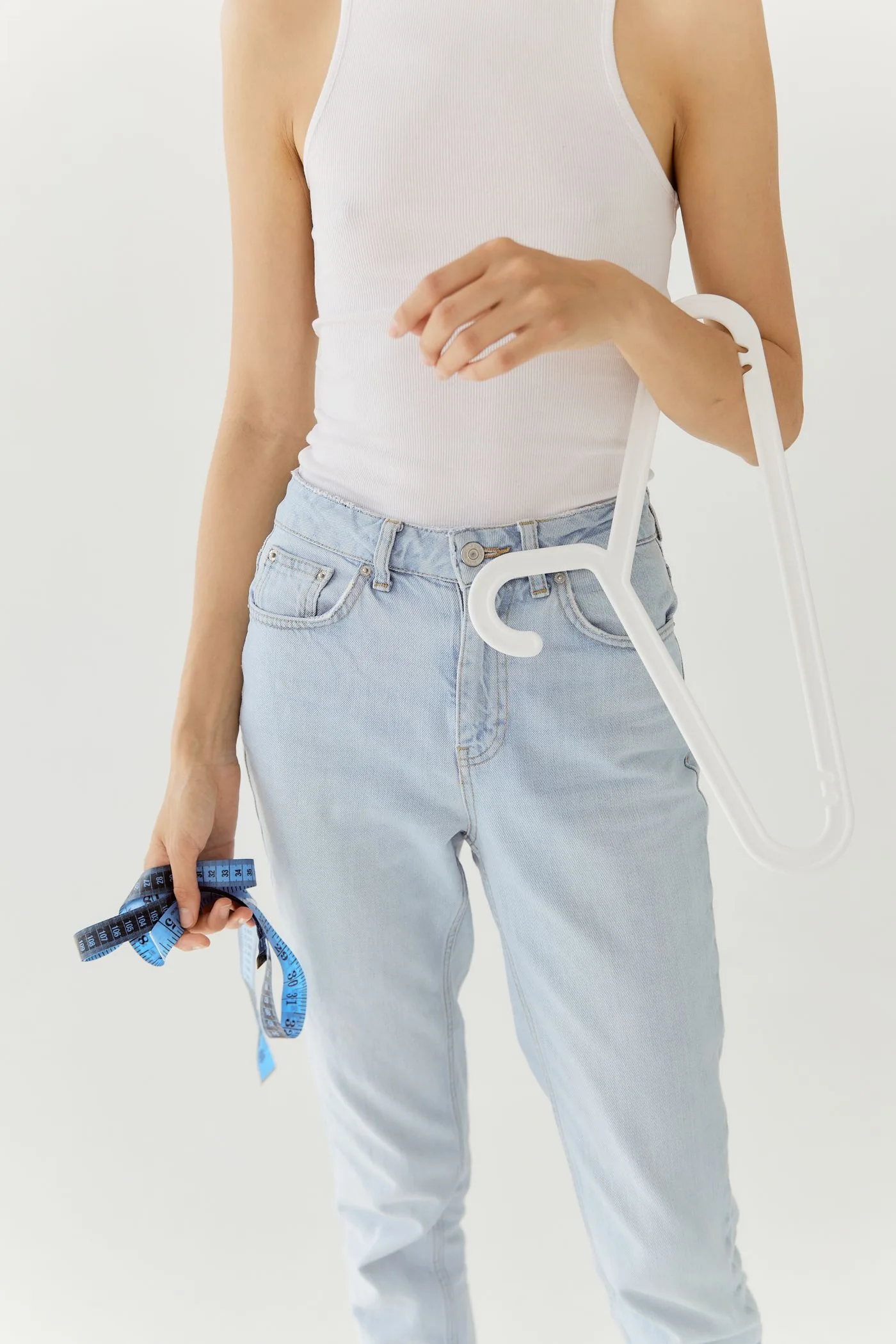
Before asking for a trouser alteration, name the result you want in ordinary words. A hem that does not serve the intended shoes, an uncomfortable waistband or a pocket relationship can be different questions. Do not assume they all call for simply taking the trousers in.
Keep the garment's condition, construction and your own preferences visible. This guide prepares a conversation with someone appropriately skilled; it does not diagnose fit or provide a universal sewing method for every pair.
Bring the intended outfit context
Use the shoes and suitable underlying clothing relevant to the proposed result when arranging an appropriate fitting. Explain whether the trousers need to work with one pair of shoes or several. Different intended roles can involve a tradeoff worth discussing before work begins.
Our trouser outfit guide supports choosing real combinations. Do not describe the garment only through a product photograph or another person's proportions. The alteration conversation concerns this actual pair and wearer.
Ask what the construction permits
Ask the professional to explain which changes are feasible and what other details may be affected. Seams, pockets, fastenings and finishes can matter to the result. Avoid treating visible spare fabric as proof that a particular change is straightforward.
Provide the actual material and care information where available. If a proposed result remains uncertain, ask how that uncertainty will be handled. A clear limitation is more useful than assuming every fitting concern can disappear through one adjustment.
Clarify the agreed scope and terms
Confirm the work being considered, the current service terms and the arrangements for any further fitting directly with the provider. Ask for clarification before authorizing work you do not understand. Keep the agreement appropriate to the actual service rather than relying on a price or timetable remembered from another garment.
If several possible changes are discussed, distinguish the agreed work from ideas still under consideration. A short clear note can help both parties understand the intended outcome without turning a conversation into an unexplained list of measurements.
Check the result against the original job
At the appropriate completion stage, use the agreed outfit context and ordinary movements to assess the result. Raise unresolved questions with the provider rather than attempting another household modification immediately. Keep any updated care guidance available.
Our outfit trial guide supports a focused final comparison. An alteration is useful when it serves the actual wardrobe role, not simply when the trousers look different on a hanger. Another decision may be appropriate if the garment's limits remain incompatible with that role.
Alteration questions
Can one technique resolve every trouser concern? Ask about the specific construction and intended outcome.
Should the intended shoes be included? Explain the footwear relationship relevant to the fitting.
What if the result remains uncertain? Clarify the limitation and agreed next step before assuming further changes are straightforward.
More considered choices, fewer impulse buys.
Read our editorial standards →