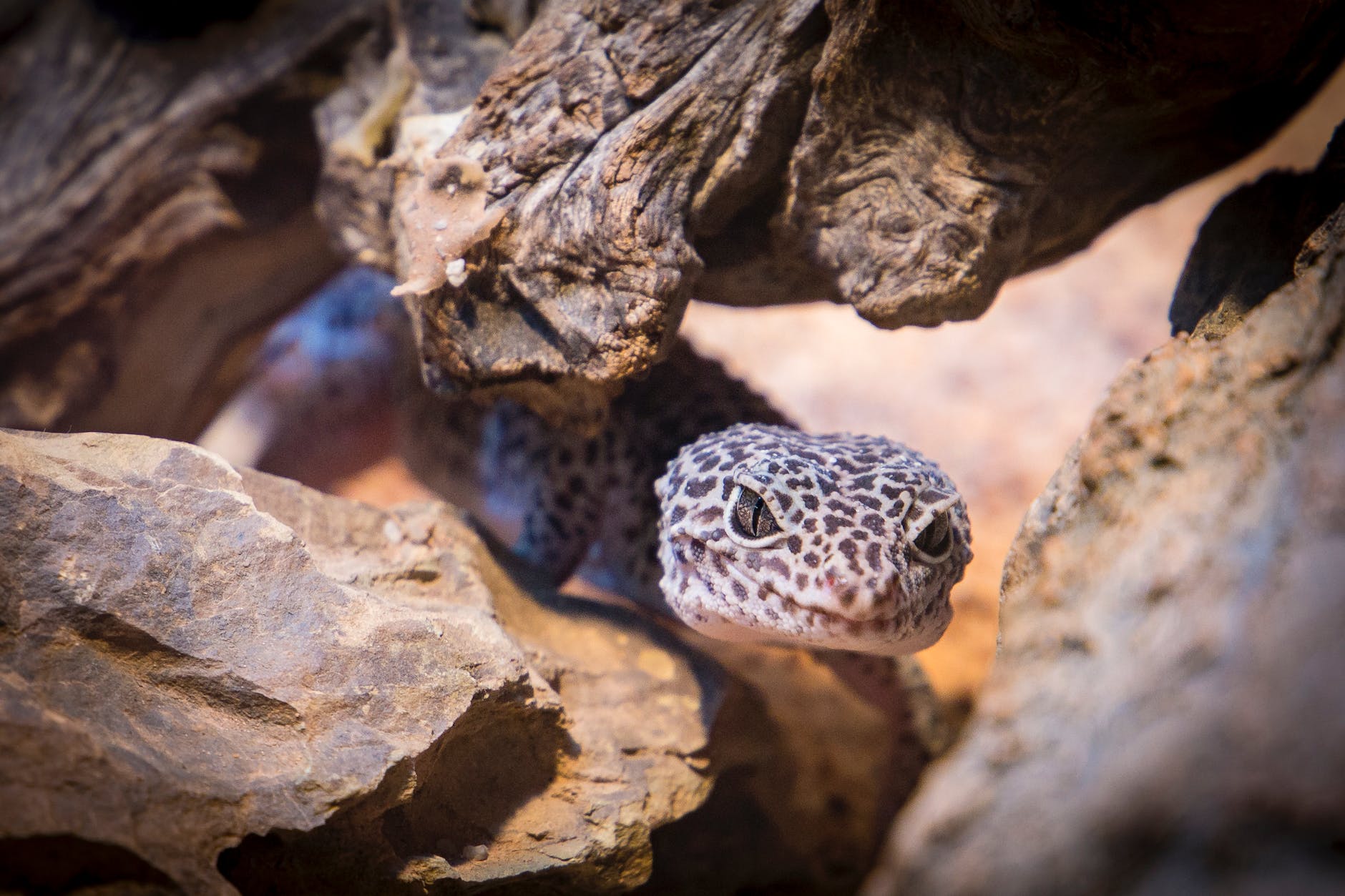
Top Things You Should Consider Before Getting A Small Pet
Having a small pet can be a rewarding and fun experience, but it's important to make sure you're ready for the commitment that comes with it. Before bringing home your new furry friend, there are several things you should consider such as the type of pet, cost of ownership, care requirements, and more. Here are some tips to help ensure that you’re making an informed decision when getting a small pet.
Time Commitment
Taking on a small pet can be a wonderful addition to your life, but it's crucial to consider the time commitment required before making the decision to do so. The people working at Animallama know that every animal requires love, care, and healthy living conditions, which falls on you as the owner. Many small pets, such as hamsters, guinea pigs, and rabbits, have a relatively long lifespan and require daily attention and care.

For example, hamsters are nocturnal animals, so they are most active at night. If you're a morning person, this may not be the best pet for you since you won't have as much time to engage with your pet during its active hours. Small pets not only require daily feeding but also need daily exercise and playtime. Additionally, make sure they have a clean living environment.
Living Space
Small pets need a specific size of the enclosure, which can vary depending on the type of pet you choose. For example, a hamster requires at least 360 square inches of floor space, and a cage of 24 inches by 12 inches is recommended for the animal's overall comfort and well-being. Similarly, guinea pigs require a hutch or cage with at least 7.5 square feet of space, with an additional 1-2 square feet per additional guinea pig.
It is vital to ensure that the pet's living space is adequate for its needs, including sleeping, playing, and exploring. The enclosure should also include areas for food, water, exercise, and mental stimulation. Moreover, the living space must maintain an appropriate temperature as well as good ventilation. A small pet's habitat should be clean and hygienic, and regularly cleaned to avoid any health issues.
Grooming And Health
It's absolutely essential to consider your future pets' grooming and health needs. Different types of small pets have varying needs. For example, guinea pigs need regular brushing to prevent their fur from becoming tangled, while rabbits require grooming to prevent hairballs. Hamsters, on the other hand, require minimal grooming as they groom themselves regularly. Therefore, it's essential to do your research and understand the grooming needs of the specific type of pet you're considering.
It's important to be aware of the potential health risks that come along with owning a pet and to ensure that your pet receives regular veterinary care. This includes routine vaccinations, deworming, flea prevention, and other health-related treatments! Texans from the state's capital are always looking for an Austin spay and neuter clinic that can help keep their pets healthy while managing the local pet population. Using an *affordable spay and neuter service* also reduces the risk of certain health issues and unwanted behaviours in pets.
Costs
While small animals can be affordable, they still require financial investment to keep them healthy and happy. This includes the price of the animal itself, as well as any other necessities that come along, such as the following:
- cleaning supplies
- food
- toys
- accessories
- veterinary care
- bedding
- grooming
- boarding
- replacing items
It's important to research and budget for these costs beforehand to ensure that you can provide a comfortable, safe living space for your new pet. By planning ahead and budgeting for both initial and ongoing expenses, you can ensure that you can provide a happy, healthy home for your new furry friend.
Diet
Different animals have different dietary requirements, and it's important to ensure that you can meet these requirements before bringing a new pet into your home. For example, if you're considering getting a small rodent like a hamster, you'll need to provide them with a diet that consists mostly of grains, like oats or barley, as well as fresh fruits and vegetables. You'll also need to make sure that they have access to fresh water at all times.
It's important to remember that each animal has specific dietary needs, and it's important to do your research before bringing a new pet into your home. Consult with a veterinarian or a reputable pet store to ensure that you're providing them with the proper nutrition for optimal health and well-being.
Temperament
Before deciding to bring home a small pet, it is crucial to consider its temperament. If you are looking for a low-maintenance pet that will be happy to sleep most of the day, a hamster or guinea pig may be a good choice. It is important to do your research on the specific pet you are interested in and learn about their typical behavior and needs. Some small pets may require more socialization and interaction than others, and may not do well being left alone for long periods of time.

In conclusion, when considering getting a small pet it is important to research and plan for the initial and ongoing costs associated with caring for them. It's essential to ensure that you can provide an adequate living space as well as meet their dietary requirements. Additionally, consider the grooming needs of your new pet and make sure they receive regular veterinary care. Finally, do your research on the temperament of your potential new pet so that you know what kind of interaction they require in order to be happy and healthy!
- Enhancing Property Value and Curb Appeal with Professional Pressure Washing - April 17, 2026
- How Dental Implants Are Reshaping Oral Health - April 17, 2026
- When Should You Seek Professional Help for Your Child? - April 17, 2026