What Similar Baskets Need Is Clear Contents
Our guides are independently written. Some shopping links may earn us a commission when identified as affiliate links, at no extra cost to you. Read our disclosure.
Look inside before choosing a label
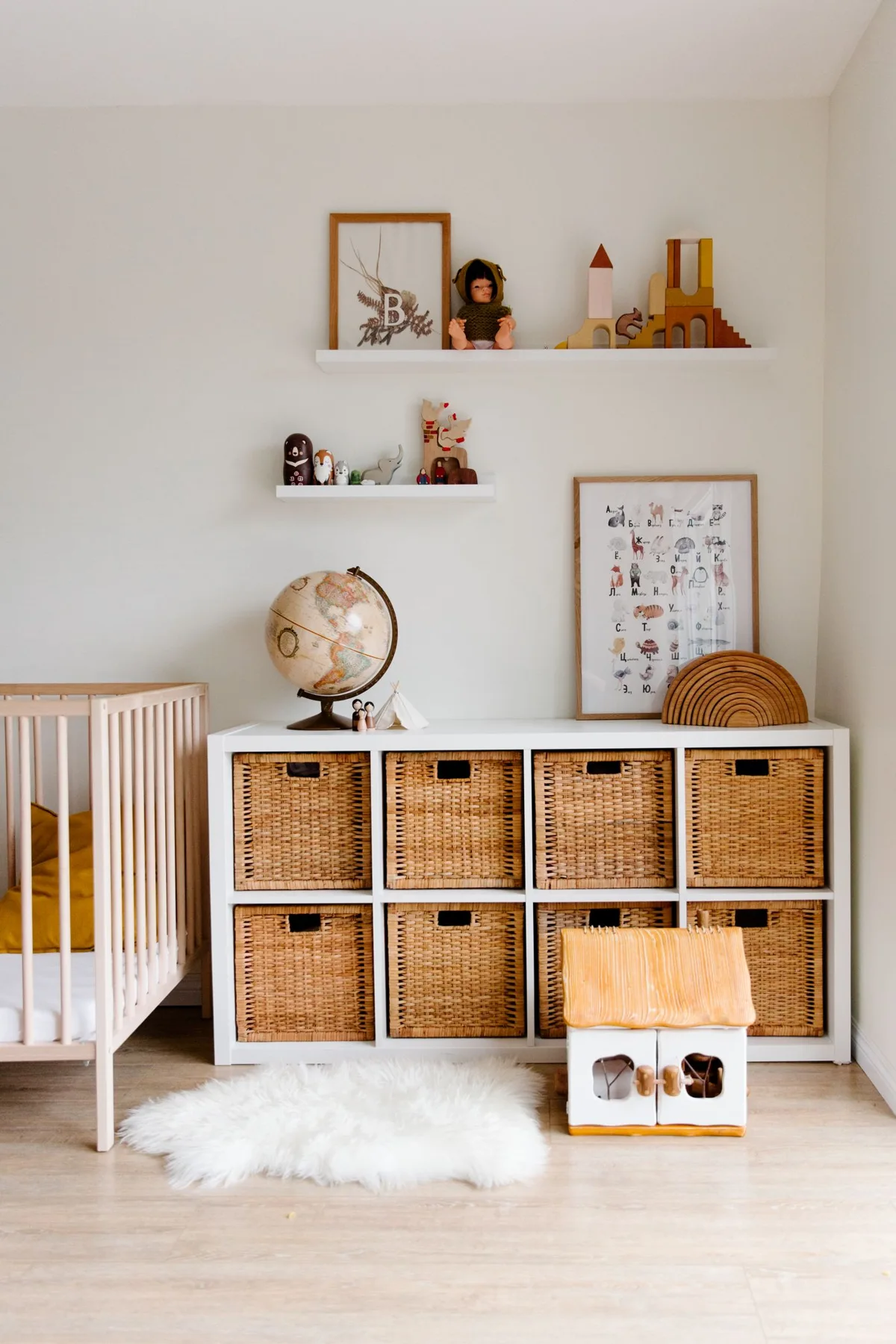
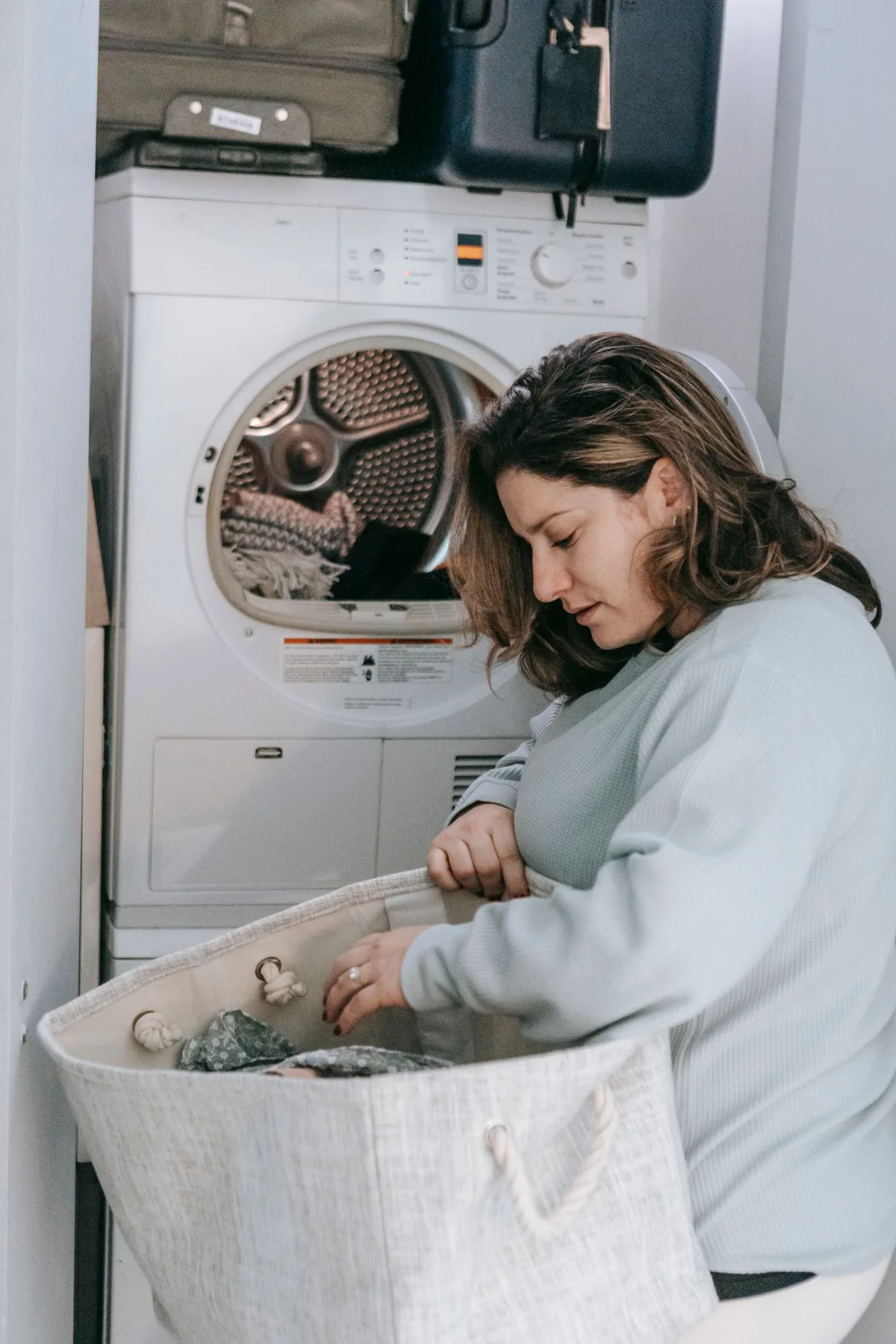
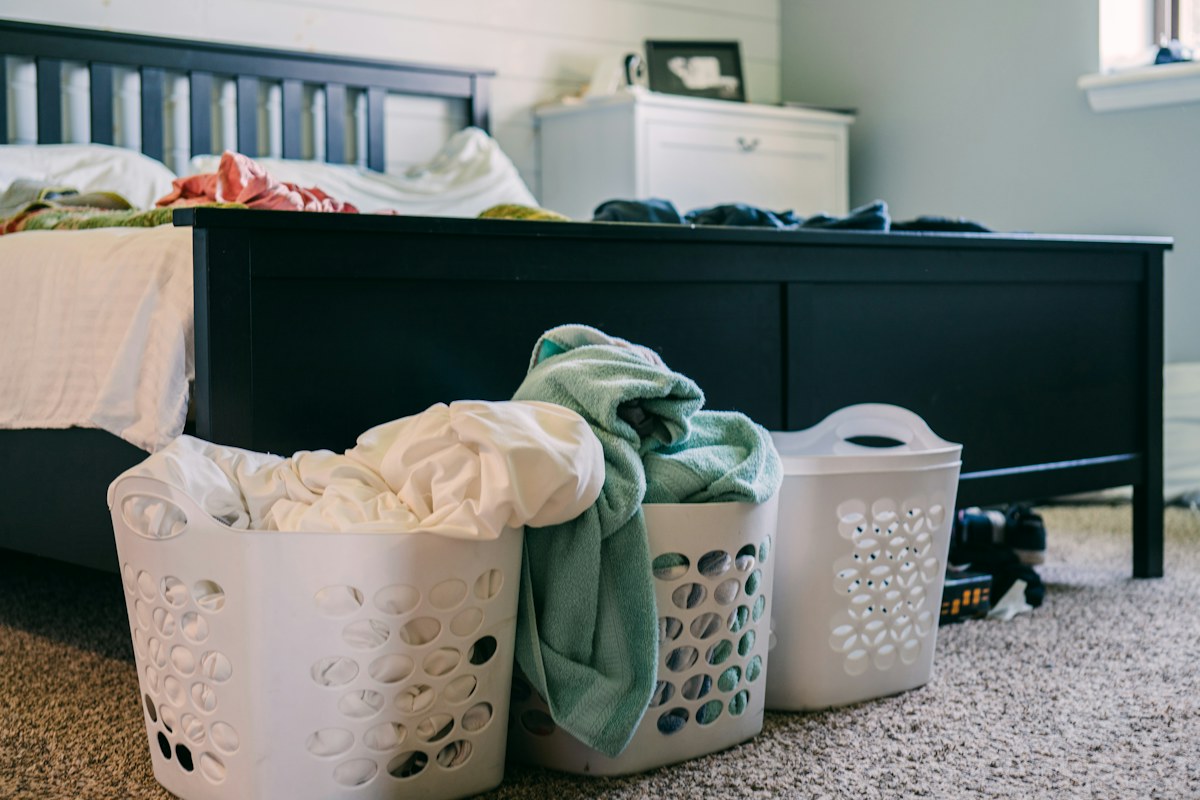
A row of similar baskets can look organized while hiding three different kinds of unfinished task. Before naming the containers, identify what each currently holds and what should happen next. Clean ready textiles, clothes awaiting care and objects waiting to leave the room do not belong to one vague household category.
Keep the review limited to belongings you are authorized to handle. A shared basket needs agreement about its role, not a surprise reorganization that leaves another person searching for their possessions. The useful result is a system the household actually understands.
Give each basket one current job
Choose roles that describe actions or contents clearly. A basket for ready items returning to bedrooms is different from one holding textiles whose care is incomplete. Use the actual care labels and suitable storage requirements rather than assuming every soft item can wait in the same container.
Avoid a miscellaneous basket without a review point. If an object has no known destination, name the question that remains. A container can hold that bounded pending group temporarily, but it should not turn uncertainty into permanent storage.
Make the distinction visible
Use the household's simplest reliable method: a consistent position, a suitable removable note or separate agreed groups. Color alone may not be enough when containers are similar or people move them between rooms. Keep personal information private and avoid attachments that could damage contents.
Try reading the arrangement as someone who did not create it. Could they identify the ready basket without opening all three? If not, the distinction is still in your memory rather than in the system. Clarify the role before adding another label or decorative lid.
Include the empty return
Once contents reach their destinations, decide where the empty basket belongs. A basket designed for carrying may need to return to the place where the next group begins. One intended as storage may remain in its suitable location. Use each actual product according to its construction and capacity.
If a basket repeatedly sits full, check whether the problem is its unclear role or a missing final destination. A larger replacement will not necessarily help. Resolve the next step for the actual contents before expanding the container group.
At the next ordinary household reset, review just one cycle: contents enter, the group becomes ready, someone completes the handover and the basket returns. Record the stage that failed, if any. Similar baskets can work well when their jobs are distinct and the next action is visible. They do not need a matching collection of inserts to become useful; they need clear contents, suitable handling and an end point that people can actually complete.
A useful household check is to ask someone else to identify the ready return group without opening every basket. If the answer depends on your explanation, clarify the agreed position or note before treating the arrangement as complete.
Related reading
A Calm Sunday Reset for a Busy Week, Create an Entryway Drop Zone Without Buying a Console.
More considered choices, fewer impulse buys.
Read our editorial standards →