Compare a Scarf, Coat and Bag as One Actual Group
Our guides are independently written. Some shopping links may earn us a commission when identified as affiliate links, at no extra cost to you. Read our disclosure.
Try the three retained pieces together
A scarf, coat and bag can each work with another outfit while their complete relationship remains awkward on the actual day. Put the retained pieces together through their intended use before deciding the group. Notice the collar, strap and visible scarf rather than judging separate color samples.
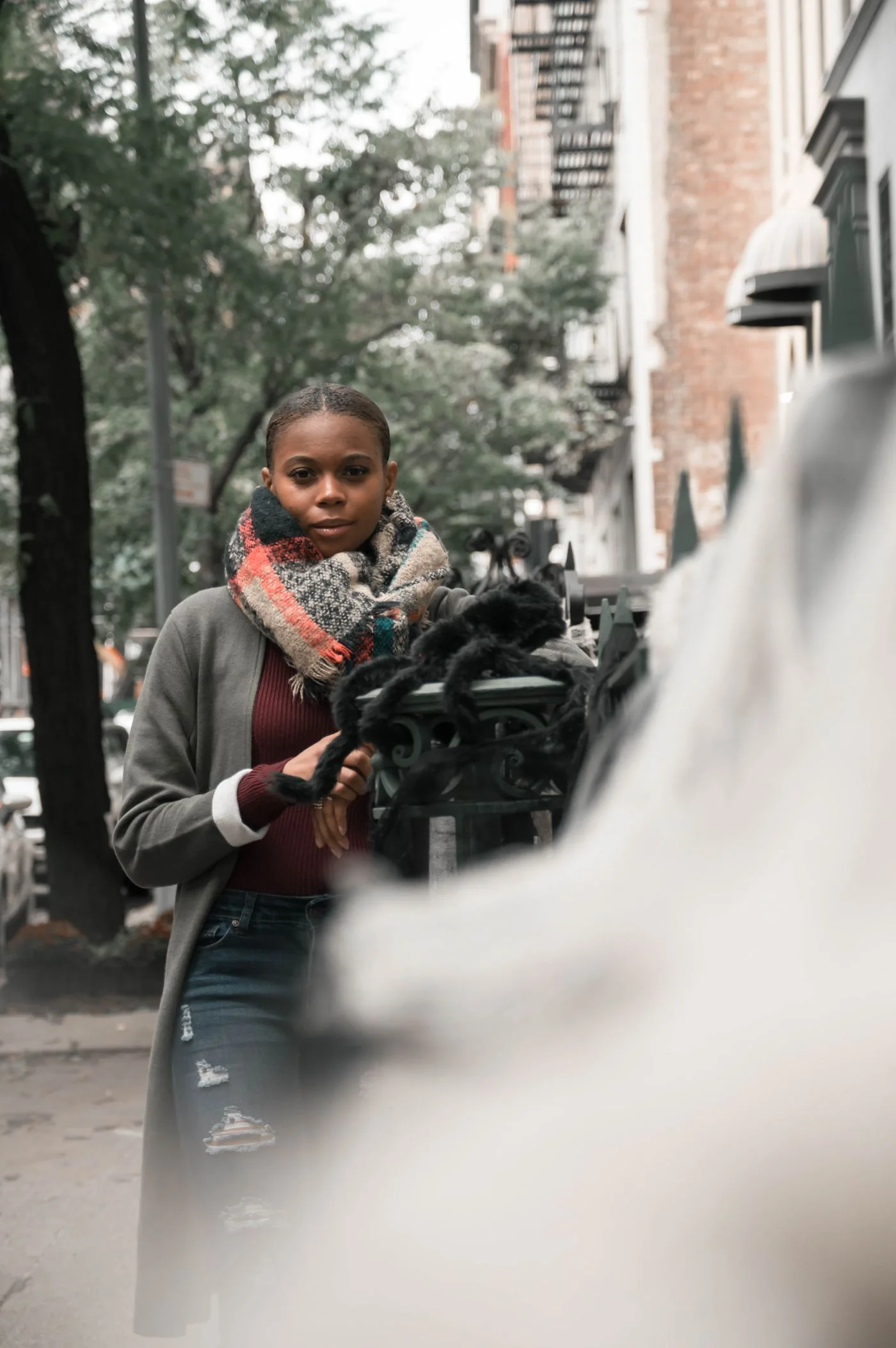
Follow product and care information and keep personal needs central. An illustrative city photograph does not establish fabric, carrying suitability or performance for another person. The useful choice belongs to the actual garments and bag, not a universal rule about how many accessories complete a coat outfit.
Choose the practical carrying position
Use the bag as designed with appropriate contents and the real sleeve layer. The scarf can occupy the same visible area as a strap, so its preferred drape should be compared through that actual relationship. A posed bag held forward may not describe ordinary use.
Our actual work-bag guide gives contents a real role. Keep that practical job in the comparison rather than choosing the bag only because its color echoes one detail in the scarf.
Include the coat fastening
Compare the appropriate open and fastened states with the scarf and bag present. The collar and amount of pattern visible can change. Decide which real versions are useful without treating one photographic arrangement as the only correct outfit.
The sleeve-layer guide compares retained garments. Adding the bag makes the full group clearer, so the earlier pairing is not assumed to remain unchanged when another object is carried.
Keep the color relationship modest
Look at the complete retained outfit and choose whether the scarf is a deliberate accent or a quieter connection. Different tones can remain personal and intentional without exact matching. Keep the actual amount of scarf visible in the chosen coat state clear, so a small patterned edge is not judged as though the whole print will remain on display throughout the day. There is no need to add another accessory merely to repeat every visible color.
If the group requires constant adjustment, identify the actual cause before shopping. Bulk, length, strap position or personal preference may matter more than the palette. Another suitable retained pairing can preserve the useful pieces without forcing this particular combination.
Plan the layer change
If the scarf or coat comes off during the day, choose an appropriate waiting or carrying arrangement through the product requirements. Keep necessary personal items accessible according to the actual setting. The outfit should support those transitions rather than exist as one fixed mirror view.
What if no scarf is needed? Leave it out without describing the outfit as unfinished. What if the favorite bag changes the drape? Compare a suitable adjustment rather than an improvised product use. A considered three-piece group joins practical carrying and real layers with a personal visual choice, making the ordinary day more important than a perfectly balanced accessory photograph.
More considered choices, fewer impulse buys.
Read our editorial standards →