Ready Clothes Need a Real Return Point
Our guides are independently written. Some shopping links may earn us a commission when identified as affiliate links, at no extra cost to you. Read our disclosure.
Define what is ready
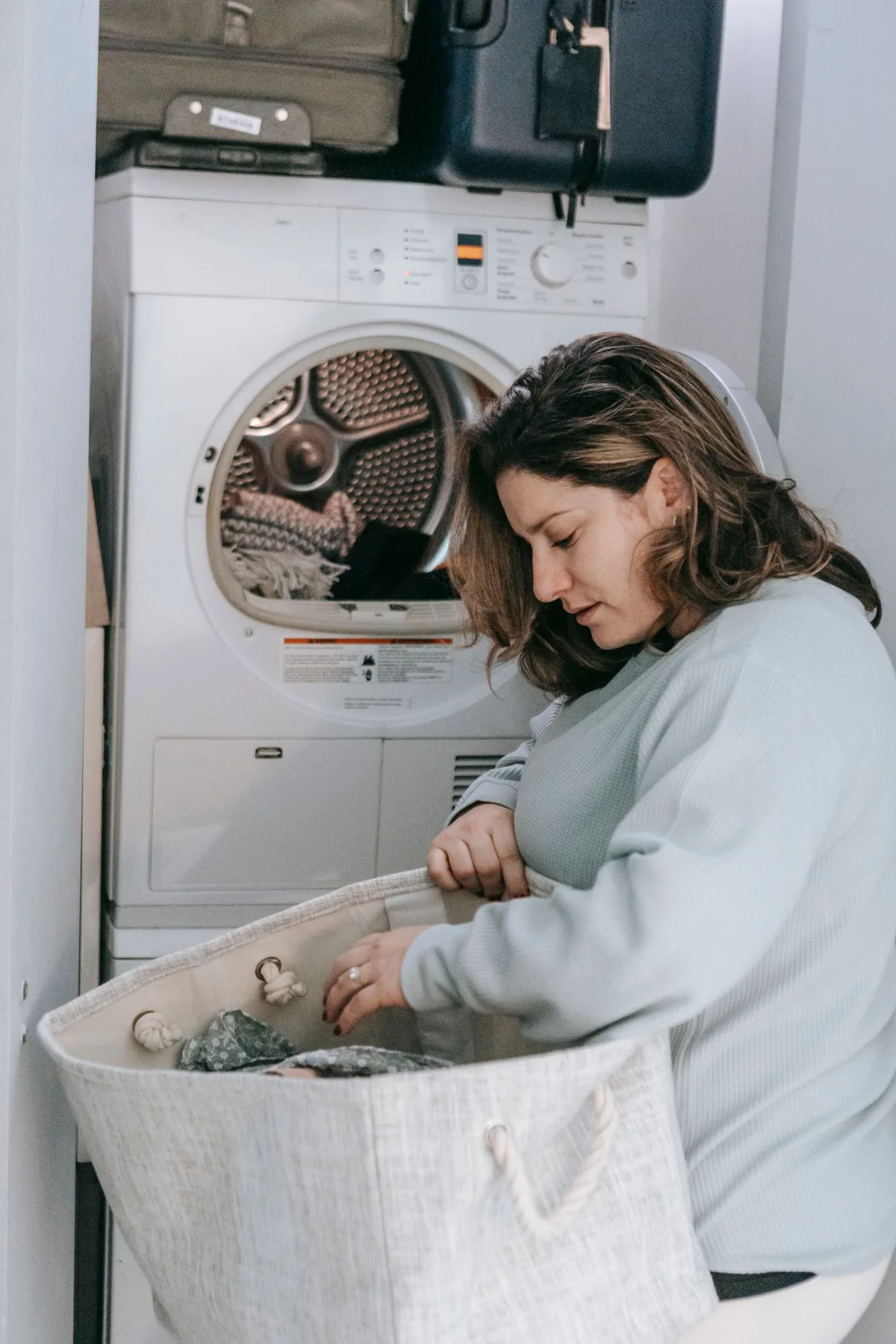
A laundry basket may hold clothes at several stages unless the household makes the distinction clear. Begin with the actual garments and their care requirements. Only place them in the ready return group once the required care is complete and their condition is understood.
Keep unfinished tasks separate with a named next step. An item awaiting a repair or an unresolved care question should not join the ready group merely to clear a surface. A tidy basket is useful only when its meaning remains reliable.
Name the final destination
Ready clothes need more than a general instruction to go upstairs or leave the laundry area. Identify the actual wardrobe, drawer or agreed personal pickup place. If that destination is too full or unclear, resolve the storage question rather than keeping the basket permanently occupied.
Respect ownership in a shared household. Ask before changing another person's clothing arrangement or discarding items to make space. The return stage should help people find their belongings, not surprise them with a new system they did not agree to use.
Keep the handover bounded
Choose who completes the return and what counts as finished. A personal group may be handed over for its owner to put away, while another household may use an agreed shared routine. Either can work when the responsibility is understood.
Use a container suitable for the actual contents and carrying route. Do not overload it or mix fragile accessories with textiles simply to reduce the number of journeys. Keep the garment labels and product requirements involved where folding, hanging or support matters.
Return the empty basket too
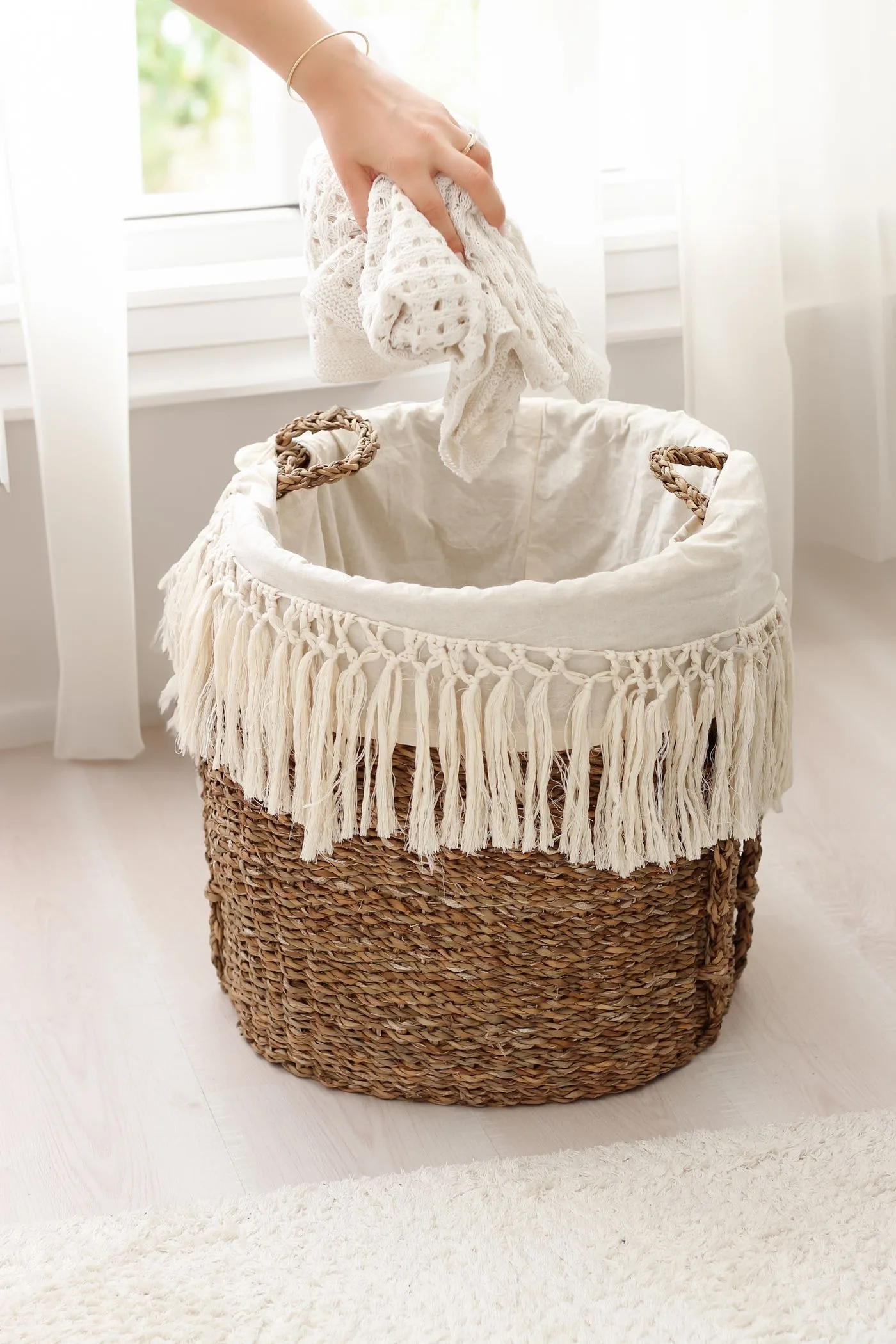
Once the clothes reach their destinations, put the empty container in the place where its next role begins. A basket that remains in the bedroom may be unavailable for the next household task, creating another temporary pile elsewhere.
If the basket serves more than one job, make the transition explicit. It should not receive used or uncertain items while someone still thinks it holds ready clothes. The household needs a clear distinction between contents and stages, even if the same suitable container is used at different times.
At the next ordinary cycle, notice which point delays the return. It may be ownership, a crowded drawer or an unclear handover rather than lack of storage equipment. Fix that specific issue before buying a larger basket. The useful end point is not a full neat container beside the bed. It is clothing returned appropriately, unfinished questions kept visible and the basket available for its next agreed role. A clear return stage lets the wardrobe remain the place for ready clothes rather than gradually spreading into every household container.
Follow one ready group all the way to its agreed destination. If the basket stops beside a full drawer, the destination needs attention. Increasing the basket size would preserve the same unfinished handover in a larger container.
Related reading
Make a Small Clothing-Care Queue for the Weekend, Give an Uncertain Wardrobe Piece One Realistic Job.
More considered choices, fewer impulse buys.
Read our editorial standards →