Keep a Pantry Refill Connected to the New Package
Our guides are independently written. Some shopping links may earn us a commission when identified as affiliate links, at no extra cost to you. Read our disclosure.
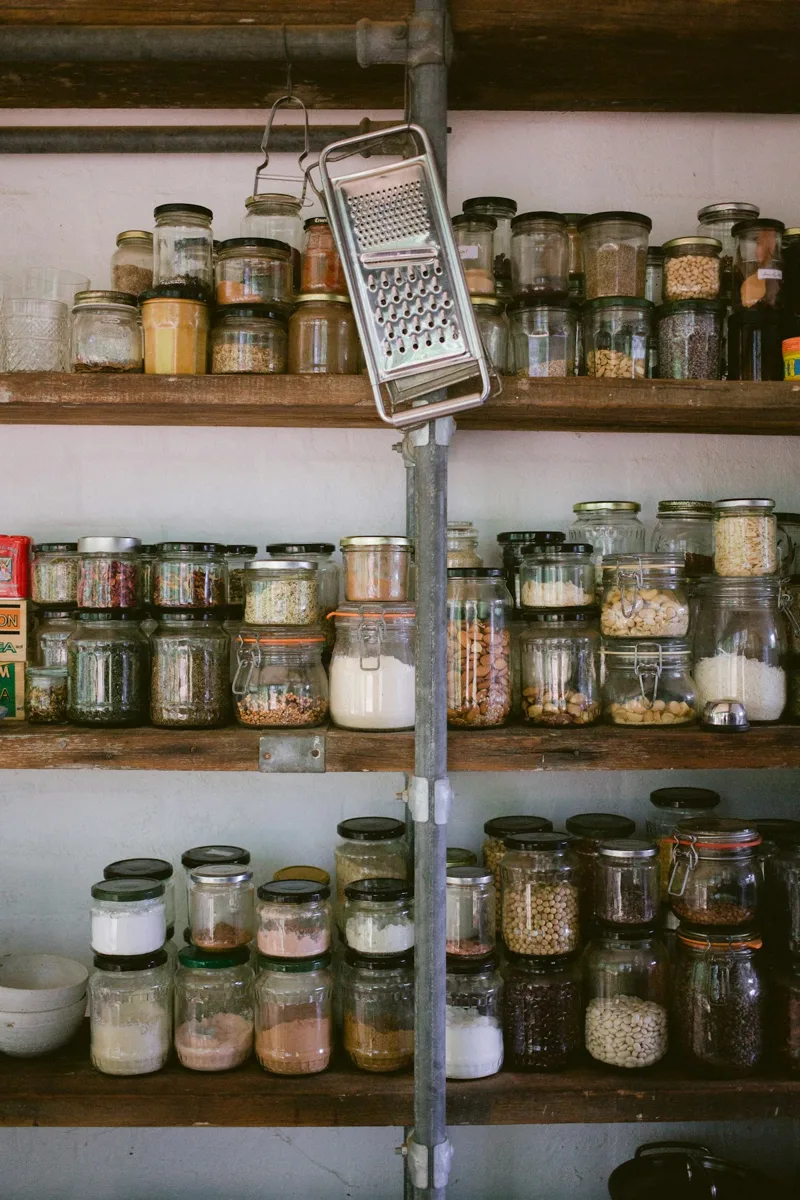
A jar labelled flour tells you the broad category, but it may not identify which flour is inside. When a replacement package differs from the previous one, the refill is also an information change. Keep that change visible instead of letting an attractive permanent label imply that every purchase is interchangeable.
Read the replacement before opening it
Put the new package beside the existing container and compare their identities. Check the actual product name, stated ingredients and relevant storage information. Similar colours on two packets or a familiar brand logo do not establish that the contents are the same version.
Decide whether the new product still belongs in that particular container. A different quantity, care requirement or intended use may make the original packaging the simpler option. There is no requirement to decant every purchase merely because a matching jar is available.
Resolve what the jar already contains
Do not top up an uncertain remainder and then attach only the new package's information. That creates a mixture whose history is harder to understand. Identify the previous contents and deal with them appropriately before treating the jar as a new refill.
When the container is ready to be emptied, include the lid and any seal in its specified care. Let the parts reach the condition required for reuse. Keep the jar out of the active-food row while that process is unfinished so another person does not mistake an empty container for usable stock.
Make the current reference specific
Write or retain enough of the actual product identity to distinguish it from similar foods in the cupboard. Keep necessary dates, ingredient details and instructions associated with the correct contents. A broad decorative name can remain as an additional cue, but it should not be the only information available.
Replace superseded details clearly rather than placing a new date beside several unexplained old ones. If a removable label is used, choose a method appropriate to the container and keep it readable. Check the completed reference against the package once before the food goes back on the shelf.
Explain a meaningful change briefly
If another household member uses the jar for a familiar recipe, tell them when the product has changed in a way relevant to that task. A different flour type, for example, should not silently inherit the assumptions attached to the previous purchase. Use the actual recipe and product information to decide what follows.
Keep an unopened reserve in its own clear position. The filled jar and the spare package are separate stock facts, so update the shopping list from both rather than assuming a refill means no reserve remains.
Next time, inspect the identity first and the decorative arrangement second. A useful pantry makes the current food understandable to someone who did not perform the refill, without requiring them to recognise a packet from memory or guess which of several dates still applies.
Related reading
Check Kitchen Space Before Bringing Home a Larger Market Shop, A Slow Saturday Market Morning, from Tote to Lunch.
More considered choices, fewer impulse buys.
Read our editorial standards →