How to Paint a Room (When You Don’t Know How)
While on the surface, doing something like DIY may seem straightforward, it can be anything but. Sometimes, we can think that painting a room is simple because we just need to buy some paint, but there's a lot more beneath the surface than we realize. So, let's show you what it takes to guarantee you are painting a room properly.
Picking the Color
When it comes to choosing a color, you should get a number of paint samples and apply them on different parts of the room so you can get a feel for the colors, but also how it lights up (or does not) light up the room. Color is going to have a major impact on your mood, and therefore, you have to spend some time figuring this out. Even if you don't have the right color available, you could always head to your local paint store and ask them to mix up a specific color sample. You can also use numerous online platforms to create your own ideal color, but you've got to bear in mind that when it's on your phone screen or your computer, it might not look the same in real life.
Choosing the Type of Paint
Paint typically comes in either oil-based or water-based forms. Water-based paints, such as this limewash you can find at https://jamesalexanderlimewash.com is quicker to dry, but is also more resistant to cracking in comparison to oil-based paints. However, if you're looking for something more stylish, an oil-based paint will have that gloss that can instantly lift a room. You've got to decide what is practical for you. For example, if you've got children and you need those walls to stay strong and resistant to cracking, water-based paint is the better solution.
Picking the Finish
The finish is essentially how the light reflects off the paint. The finishes tend to fall into four distinct categories: gloss and semi-gloss, which are both highly reflective; satin has a slight shine, which makes it perfect for kitchens or kids' bedrooms. Additionally, matte or flat finishes absorb rather than reflect the light, making them ideal for walls that have a number of imperfections or a lot of texture.
Preparing the Room
If you are painting a space with your furniture intact, you've got to make sure you are protecting your furniture and floors. When it comes to protecting furniture, you can find a variety of furniture dust covers, like at https://styledegree.sg, so you can ensure paint doesn't splatter over your nice new couch. But when it comes to protecting everything, you need to make sure that you tape down the drop cloths or any masking paper to the floor and the carpet along the wall, across the baseboards.
After this, you need to get the walls ready. Cleaning the walls is a good place to begin because this can remove any dirt or grease that can prevent the paint from adhering better. You should also look for any imperfections on the surface and go over them with a patching compound or spackle. Once you've done this, you should sand the patches smooth so the wall is completely flat. You should also examine the wall closely by shining a light on it so you can truly understand if there are any major defects that need addressing before you start painting. Because when you start painting, these imperfections are going to be magnified a lot, and it can be a lot more work to smooth them out after you've applied the coat.
You should also apply primer over the patched areas before you paint, and make sure you apply white paint first before you go for your desired color because this, again, will highlight any imperfections that you may need to smooth over with sandpaper.
Painting in the Right Order
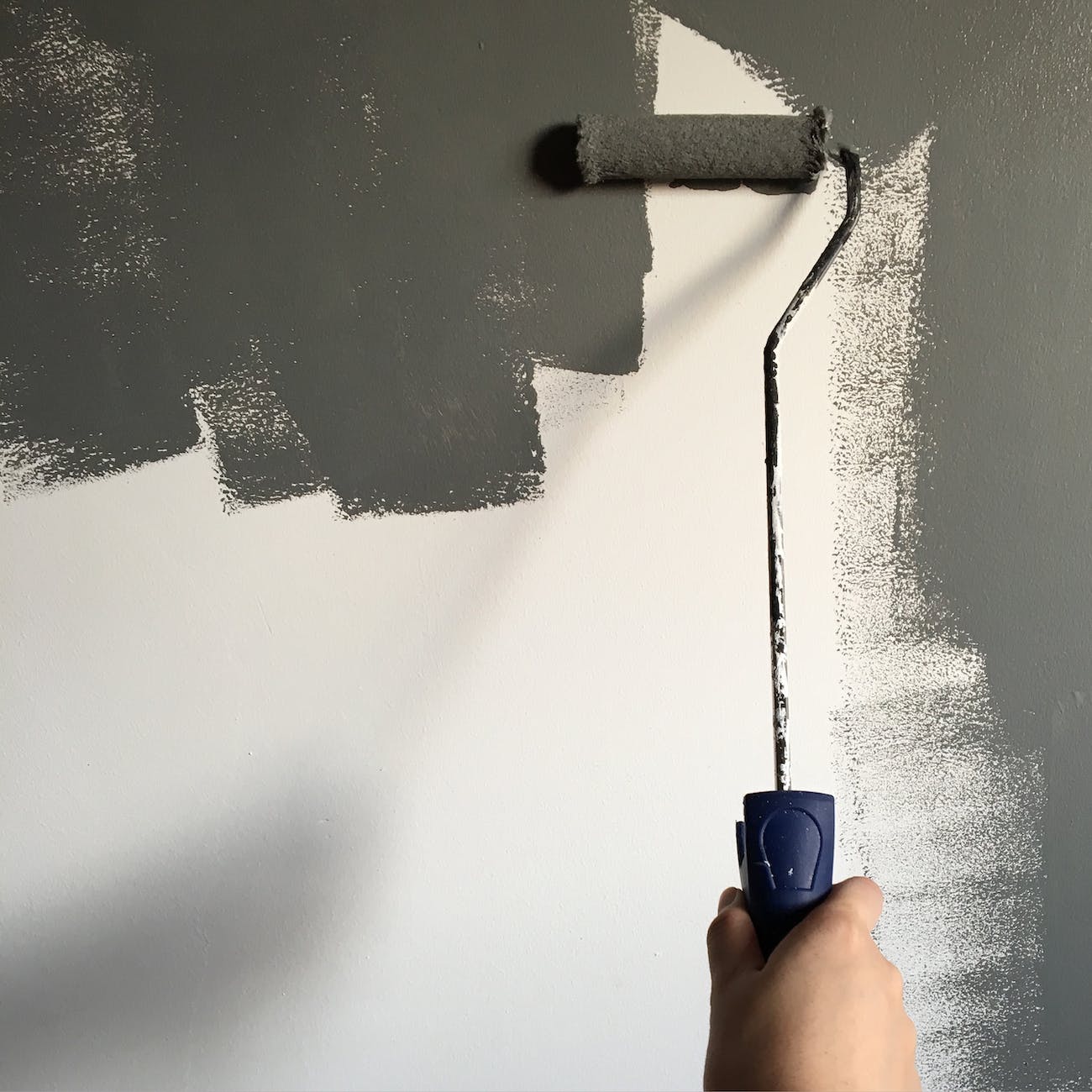
The correct order is as follows: ceiling, trim, then walls. This means that you will avoid splattering the walls and the trim. Start by painting the edge of the ceiling along the perimeter of the room, also known as “cutting in,” and once you've applied one layer, apply the second layer in the same direction but make sure that you overlap the previous row.
If you need to apply a second coat, you should put the roller in the opposite direction of the first coat. When painting the trim, make sure that you are not in a rush and take your time along the edges of the trim to give it extra focus. When painting the walls, you should go one wall at a time and go through the “cutting in” process. After this, you can roll paint the walls and make sure you paint the full height of the surface rather than doing one section at a time to ensure an even blend.
Clean Your Brushes Properly
You should always clean your brushes and rollers with hot water and plenty of soap, but make sure that the paintbrush doesn't dry out. Lots of people take to putting their paintbrush in the freezer or wrapping it in plastic to prevent it from drying out.
A Few Other Things to Remember
When painting, it's worth considering some of the following:
- Paint in daylight, or at least have good lighting coverage.
- Wear protective clothing to avoid any paint splatters on your face, body, or clothes to minimize damage.
- Get your tools together before you begin, as this will make you far more efficient.
- Take your time because Rome wasn't built in a day, and your room shouldn't be done quickly. It's about making sure that you achieve that even sheen that will make your room shine.
- Don't just try your best, make sure you know exactly what you're doing. If you are keen to avoid the mistakes most people make it's about making sure that you know when you do not know something. Lots of people try their best and while this is to be commended, when it comes to creating that perfect-looking living space painting is something that requires a bit of finesse.
- Enhancing Property Value and Curb Appeal with Professional Pressure Washing - April 17, 2026
- How Dental Implants Are Reshaping Oral Health - April 17, 2026
- When Should You Seek Professional Help for Your Child? - April 17, 2026