Hormonal Imbalance in Women: Common Disorders and Treatment Options
Hormonal imbalance in women is a pervasive issue affecting countless individuals worldwide, often leading to many physical and emotional disturbances. The hormones within the female body can be disrupted by various factors, including stress, diet, genetics, and environmental toxins.
As a result, women may experience a range of common disorders stemming from hormonal fluctuations, such as polycystic ovary syndrome (PCOS), thyroid disorders, menstrual irregularities, and menopause-related symptoms. Understanding the causes, symptoms, and treatment options for these hormonal imbalances is crucial for promoting women's health and well-being.

1. Polycystic Ovary Syndrome (PCOS):
Polycystic Ovary Syndrome (PCOS) stands as a multifaceted hormonal disorder characterized by an array of symptoms stemming from hormonal imbalances. It commonly manifests with irregular menstrual cycles, typically accompanied by elevated levels of androgens (male hormones) and insulin resistance.
Beyond its reproductive implications, PCOS can cause metabolic disturbances, leading to symptoms such as weight gain, acne, excessive hair growth (hirsutism), and infertility. Moreover, the presence of ovarian cysts further compounds the complexity of this syndrome.
2. Thyroid Disorders:
Ever heard of the thyroid gland?
We bet you have!
The thyroid gland is a pivotal player in hormonal regulation. It synthesizes hormones crucial for metabolism and energy production. Dysfunctions in thyroid activity, such as hypothyroidism (insufficient thyroid hormone production) or hyperthyroidism (excessive thyroid hormone production), can lead to significant hormonal imbalances.
Symptoms of thyroid disorders encompass fatigue, weight fluctuations, hair loss, menstrual irregularities, and mood swings, reflecting the broad impact of thyroid hormones on various bodily functions.
3. Menstrual Irregularities:
Hormonal fluctuations can affect the menstrual cycle, leading to irregularities. These may include absent periods (amenorrhea), irregular menstrual cycles, or heavy and prolonged bleeding (menorrhagia).
Such irregularities often stem from underlying hormonal imbalances, which can be triggered by conditions like PCOS, thyroid disorders, hormonal contraceptives, or systemic health issues.
4. Menopause-related Symptoms:
Menopause marks the end of menstrual periods, resulting in a significant hormonal transition in a woman's life. With declining estrogen and progesterone levels, women may encounter many symptoms, including hot flashes, night sweats, mood fluctuations, vaginal dryness, decreased libido, and a heightened risk of osteoporosis. These symptoms emphasize the impact of hormonal changes associated with menopause on physical and emotional well-being.
Understanding the Symptoms of Hormone Imbalance:
Understanding the Symptoms of Hormone imbalance is crucial for individuals to promptly seek medical evaluation and appropriate treatment, enabling proactive management of hormonal health. Regular monitoring and open communication with healthcare providers are essential to address emerging concerns and tailor treatment plans effectively.
Remember, while some symptoms may seem minor, they could indicate underlying hormonal issues that require attention to prevent potential complications. By staying vigilant and seeking professional guidance, individuals can take control of their hormonal health and enhance their overall well-being.
Treatment Options:
1. Medications:
Medications play an important role in regulating hormone levels and managing hormonal disorders. For instance, oral contraceptives are commonly prescribed to regulate menstrual cycles and mitigate symptoms of PCOS. Hormone replacement therapy (HRT) serves as a cornerstone in alleviating menopause-related symptoms by supplementing declining estrogen levels.
2. Lifestyle Modifications:
Adopting a holistic approach to hormonal health involves implementing lifestyle modifications aimed at optimizing overall well-being. This encompasses maintaining a balanced diet rich in fruits, vegetables, whole grains, and lean proteins, alongside regular exercise and effective stress management techniques. Particularly for conditions like PCOS and thyroid disorders, weight management through diet and exercise holds paramount importance.
3. Supplements:
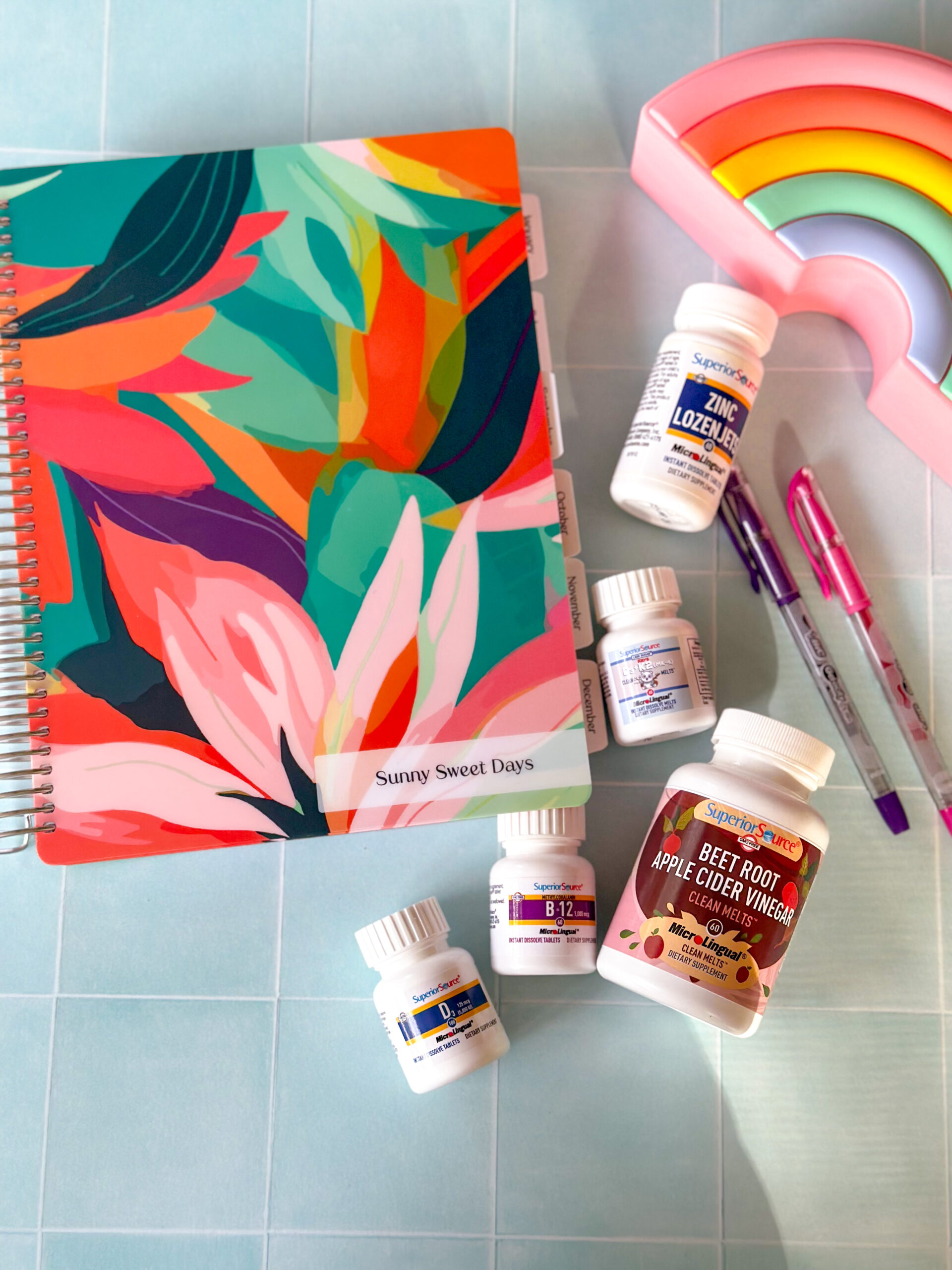
Certain supplements may complement conventional treatments by supporting hormonal balance. Omega-3 fatty acids found in fish oil exhibit anti-inflammatory properties and may help regulate menstrual cycles. Additionally, vitamin D supplements can prove beneficial, particularly for individuals with insufficient levels of this essential nutrient.
4. Alternative Therapies:
Alternative therapies, including acupuncture, yoga, and herbal supplements, offer additional avenues for managing hormonal imbalances. While scientific evidence supporting their efficacy continues to evolve, these modalities may provide adjunctive support when integrated with conventional medical treatments.
5. Stress Management:
Chronic stress exerts a profound impact on hormonal balance, aggravating hormonal imbalances and their associated symptoms. Implementing stress-reduction techniques such as mindfulness meditation, deep breathing exercises, and relaxation techniques can foster hormonal equilibrium and enhance overall well-being.
6. Regular Monitoring:
Women with hormonal imbalances benefit from regular monitoring and follow-up with healthcare providers to assess treatment efficacy and make necessary adjustments. This collaborative approach ensures personalized management tailored to individual needs, optimizing hormonal health and promoting holistic well-being.
Conclusion
Hormonal imbalance in women represents a multifaceted challenge with far-reaching implications for physical and emotional well-being. By comprehensively understanding the common disorders associated with hormonal imbalances and the diverse treatment options available, women can actively engage in managing their hormonal health. Empowered with knowledge and supported by healthcare providers, women can navigate the complexities of hormonal imbalances, fostering optimal well-being and enhancing their overall quality of life.
- Residential Driveway Planning Guide: Materials, Drainage, Installation, and Maintenance - August 20, 2026
- A Flexible Zion National Park Itinerary for Hikers, Families, and Scenic Road Trippers - August 20, 2026
- Persistent Odors Need Source-Level Treatment: FIRESTONE Restoration Provides Professional Ottawa Sanitizing Services - August 20, 2026