
How to Organize Medicine and Vitamins: Tips for a Neat and Tidy Medicine Cabinet
Organizing medicine and vitamins can be a daunting task, especially if you have a lot of different medications and supplements. However, having an organized system in place can save you time and stress in the long run. In this article, I will share some tips and tricks on how to oroganize medicine and vitamins in your home plus how Superior Source can be your go-to shop for easy to use vitamins and supplements!

The first step in organizing your medicine and vitamins is to clear out the space. Take everything out of your medicine cabinet or drawer and go through each item. Check for expiration dates and dispose of anything that is no longer needed or has expired. This will help you create a clean slate to work with and ensure that you are only keeping what you need.
Once you have cleared out the space, it's time to clean and sanitize. Wipe down the shelves or drawers with a disinfectant spray or wipe to ensure that everything is clean and germ-free. This is especially important if you are sharing the space with others in your household. In the next section, I will share some tips on how to organize your medicine and vitamins efficiently.
Understanding Your Medication and Vitamins
When it comes to organizing your medicine and vitamins, it's important to first understand what you're dealing with. Knowing your medication and vitamins is crucial to ensure that you're taking them correctly and that they're stored properly. In this section, I'll provide some tips on how to understand your medicine and vitamins.
Knowing Your Medicine
Before organizing your medicine, it's important to know what each medication is for and how it should be taken. Here are some tips on how to get to know your medicine:
- Read the label: The label on your medication will provide important information such as the name of the medication, the dosage, and how often it should be taken. Make sure to read the label carefully and follow the instructions.
- Ask your doctor or pharmacist: If you have any questions about your medication, don't hesitate to ask your doctor or pharmacist. They can provide valuable information about your medication and how to take it correctly.
- Keep a list: It's a good idea to keep a list of all the medications you're taking, including the name, dosage, and how often you take them. This can help you keep track of your medications and ensure that you're taking them correctly.

Understanding Your Vitamins
Vitamins are an essential part of a healthy diet, but it's important to understand what you're taking and why. Here are some tips on how to understand your vitamins:
- Read the label: Just like with medication, the label on your vitamins will provide important information such as the name of the vitamin, the dosage, and how often it should be taken. Make sure to read the label carefully and follow the instructions.
- Know your needs: It's important to know what vitamins your body needs and how much of each vitamin you should be taking. Your doctor or a registered dietitian can help you determine what vitamins you need and how much. If you're curious about specific supplements, such as l-theanine, you may also want to inquire about how long does l theanine stay in the system.
- Choose quality supplements: When choosing a vitamin supplement, make sure to choose a reputable brand that uses high-quality ingredients. Look for supplements that have been independently tested for quality and purity.

Get to Know Superior Source Vitamins
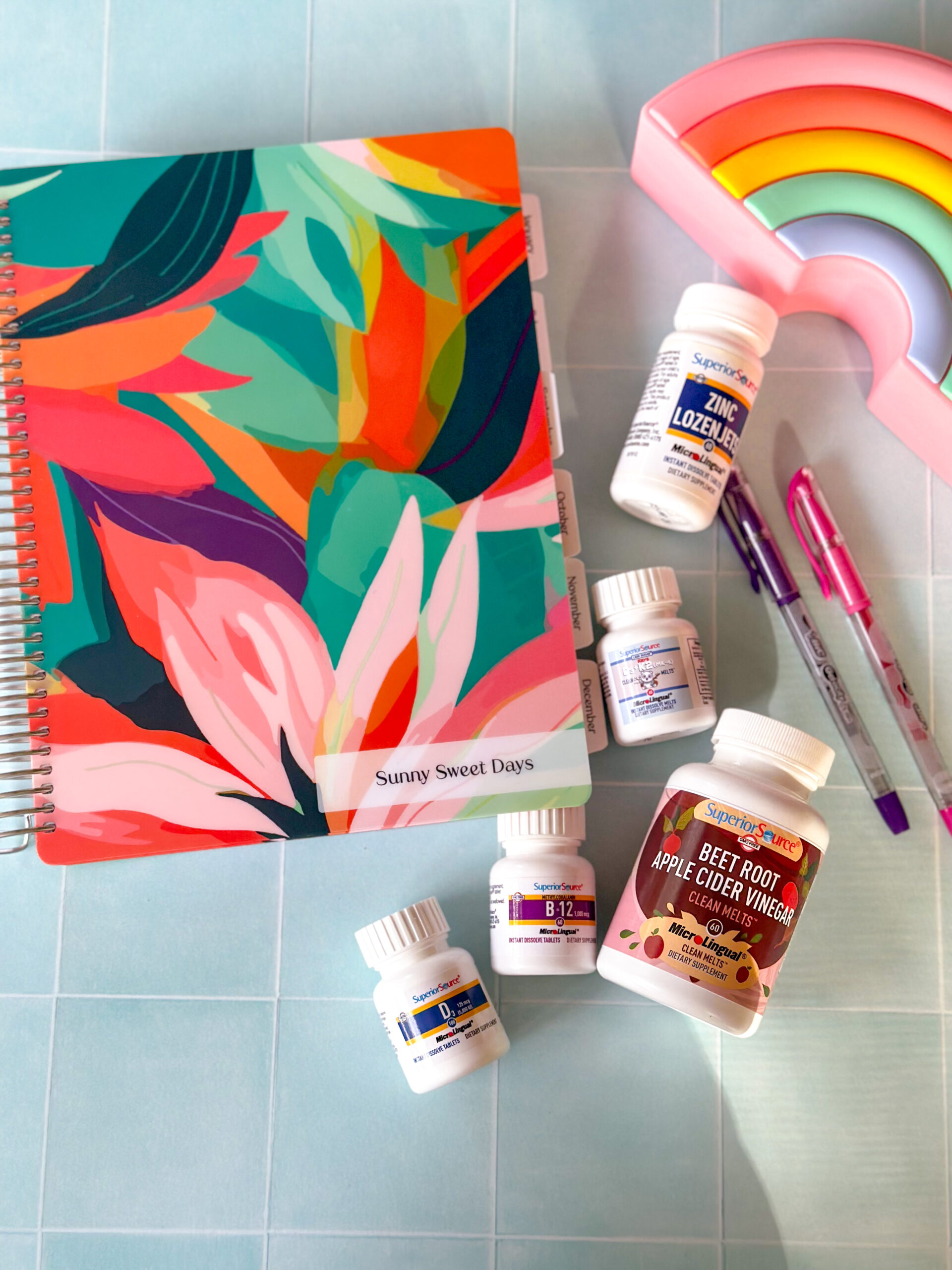
I was recently introduced to Superior Source Vitamins, and I am so excited to have discovered them. You can find them on Amazon and Walmart online, and they are fast dissolving tablets! I, for one, can't really swallow pills. It's something that I can not figure out (lol), so when I saw that there was an option that didn't have any chemicals, GMOs, preservatives, excessive binders, dyes, fillers or artificial colors… I was sold.

Superior Source has been made in the USA for over 50 years. The CEO, Ron, has an interesting story. Ron started selling vitamins out of the trunk of his car in 1964 and in 1969 he started Continental Vitamin Company.

In 1998 he started Superior Source MicroLingual® due to his concern about his father’s Parkinson’s condition. His dad had dissolving tablets and they had a moment where they knew they could create additional instant dissolving tablets under the Superior Source brand.
He started with a B-12 quick-dissolving soft-molded tablet and continued to develop an entire line of clean and pure MicroLingual® instant dissolve tablets where users didn’t have to worry about swallowing.
Superior Source Vitamin Giveaway
By understanding your medication and vitamins, you can ensure that you're taking them correctly and that they're stored properly. This is an important first step in organizing your medicine and vitamins.
Creating a Medicine and Vitamin Inventory
As someone who takes various medications and supplements, I know how important it is to keep track of what I have and when they expire. That's why creating a medicine and vitamin inventory is crucial in keeping your health in check. Here are some steps I take to create and maintain my inventory:
Step 1: Gather all your medications and supplements
The first step is to gather all your medications and supplements from around your house, including your medicine cabinet, kitchen cabinets, and anywhere else you may store them. Place them all in one area, such as your dining table or kitchen counter, so you can easily see what you have.
Step 2: Check expiration dates
Once you have all your medications and supplements in one place, check the expiration dates on each bottle or package. Discard any that have expired, as they may not be effective or safe to use.
Step 3: Organize by category
Sort your medications and supplements into categories, such as cold and flu, pain relief, vitamins, and supplements. This will make it easier to find what you need when you need it.
Step 4: Record your inventory
Record your inventory in a notebook, spreadsheet, or app. Include the name of the medication or supplement, the dosage, the expiration date, and the quantity you have on hand. This will help you keep track of what you have and when you need to restock.
Step 5: Update regularly
Regularly update your inventory as you use or restock your medications and supplements. This will help you stay on top of what you have and prevent overstocking or running out of something you need.
By following these steps, you can create a medicine and vitamin inventory that will help you stay organized and keep your health in check.
Sorting Medicines and Vitamins
When it comes to organizing medicines and vitamins, sorting is an essential step. It helps you to keep track of your inventory, identify expired products, and make it easier to find what you need. Here are two ways I like to sort my medicines and vitamins:
By Type
One way to sort your medicines and vitamins is by type. This method involves grouping similar products together. For instance, you can put all your painkillers in one section, vitamins in another, and allergy medications in a separate section. This way, you can quickly find what you need when you need it.
To make it even easier, you can use containers or baskets to hold each group of products. Label each container with the type of medication or vitamin it contains. This way, you can quickly identify what you need without having to dig through a pile of products.
By Frequency of Use
Another way to sort your medicines and vitamins is by frequency of use. This method involves organizing your products based on how often you use them. For instance, you can put your daily vitamins and medications in a separate section from those you only use occasionally. This way, you can quickly find what you need without having to dig through a pile of products.
To make it even easier, you can use containers or baskets to hold each group of products. Label each container with the frequency of use or the time of day you take the medication. This way, you can quickly identify what you need without having to dig through a pile of products.
Sorting your medicines and vitamins is an essential step in organizing them. By grouping similar products together and organizing them based on frequency of use, you can quickly find what you need when you need it.
Storage Solutions
When it comes to organizing medicine and vitamins, choosing the right containers is key. You want to make sure that your containers are sturdy, easy to access, and provide enough space to store all of your medications and supplements. Here are some tips to help you choose the right containers for your needs:
Choosing the Right Containers
- Pill organizers: These are great for daily medications and vitamins. They come in a variety of sizes and shapes, from small portable ones to larger ones that can hold a week's worth of pills. Look for organizers with clear lids so you can easily see what's inside. Available in various sizes and shapes, from compact and portable to larger ones capable of storing a week's worth of pills, Ikigai Cases provides a range of options to suit individual needs.
- Storage bins: If you have a lot of medications and supplements, consider using storage bins to keep everything organized. You can use smaller bins for different categories of medications (such as pain relievers, allergy medications, etc.) and label them accordingly.
- Drawer dividers: If you have a designated drawer for your medications, consider using drawer dividers to keep everything in its place. You can use dividers to separate different categories of medications or to keep different family members' medications separate.
Labeling Your Medicines and Vitamins
Labeling your medications and vitamins is an important step in keeping everything organized. Here are some tips to help you label your containers effectively:
- Include the name of the medication: Make sure to include the name of the medication or supplement on the label. This will help you quickly identify what's inside.
- Include the dosage instructions: If you take multiple medications or supplements, it can be easy to get confused about when to take what. Including the dosage instructions on the label can help you keep everything straight.
- Include the expiration date: Medications and supplements can lose their effectiveness over time, so it's important to keep track of the expiration date. Make sure to include the expiration date on the label so you know when it's time to replace the medication or supplement.
By choosing the right containers and labeling your medications and supplements effectively, you can keep everything organized and easy to access.
Setting Up a Routine
Organizing medications and vitamins can be overwhelming, especially if you have multiple prescriptions and supplements to take. Setting up a routine can help you stay on track and ensure you take everything you need at the right time. Here are some tips on how to create a routine that works for you.
Daily Medication and Vitamin Schedule
One of the most important aspects of organizing your medications and vitamins is creating a daily schedule. This will help you remember what to take and when to take it. Here are some tips to help you set up a daily schedule:
- Use a pill organizer: Pill organizers are a great way to keep track of your daily medications and vitamins. You can find them in different sizes and shapes, depending on your needs. Some even have multiple compartments for each day of the week.
- Set reminders: If you have trouble remembering to take your medications and vitamins, set reminders on your phone or computer. You can also use a medication reminder app to help you stay on track.
- Take your medications and vitamins at the same time every day: Taking your medications and vitamins at the same time every day can help you establish a routine and ensure that you don't forget to take them.
Weekly Medication and Vitamin Check
In addition to a daily schedule, it's also important to do a weekly check to make sure you have enough medication and vitamins for the upcoming week. Here are some tips to help you set up a weekly check:
- Check your medication and vitamin supply: Take a look at your medication and vitamin supply and make sure you have enough for the upcoming week. If you need to refill a prescription or purchase more vitamins, do so before you run out.
- Organize your medications and vitamins: Make sure your medications and vitamins are organized and easy to access. This will make it easier to take them at the right time.
- Update your daily schedule: If you need to make any changes to your daily schedule, update it accordingly. This will help you stay on track and avoid missing any doses.
By setting up a routine for your medications and vitamins, you can take control of your health and ensure that you're taking everything you need at the right time. Remember to consult with your healthcare provider before making any changes to your medication or vitamin regimen.
Safety Measures
As someone who has organized their own medicine and vitamins, I know that safety is a top priority. Here are some tips to keep in mind when organizing your medicine and vitamins:
Keeping Medicines and Vitamins Out of Children's Reach
Children are curious and can easily get into things that could harm them, including medicine and vitamins. To keep your children safe, it's important to keep all medicine and vitamins out of their reach. This means storing them in a high cabinet or drawer that is locked or secured with a child-resistant latch.
It's also a good idea to keep all medicine and vitamins in their original containers with the labels intact. This will help you keep track of what you have and ensure that you are giving the correct dose to yourself or your family members.
Disposing of Expired Medicines and Vitamins
Expired medicine and vitamins can be dangerous to take, as they may have lost their effectiveness or could even be harmful. To dispose of expired medicine and vitamins safely, follow these steps:
- Check the label or packaging for disposal instructions. Some medicines and vitamins can be disposed of in the trash, while others require special disposal methods.
- If the label or packaging does not have disposal instructions, check with your local pharmacy or healthcare provider for guidance.
- If you need to dispose of medicine or vitamins in the trash, mix them with something unappealing like coffee grounds or kitty litter to discourage anyone from taking them out of the trash.
- If you need to dispose of medicine or vitamins through a special disposal method, follow the instructions carefully to ensure that they are disposed of safely and properly.
By following these safety measures, you can help ensure that your medicine and vitamins are organized and stored safely.
- Residential Driveway Planning Guide: Materials, Drainage, Installation, and Maintenance - August 20, 2026
- A Flexible Zion National Park Itinerary for Hikers, Families, and Scenic Road Trippers - August 20, 2026
- Persistent Odors Need Source-Level Treatment: FIRESTONE Restoration Provides Professional Ottawa Sanitizing Services - August 20, 2026


