Explain the First Turn Before Starting a Casual Game
Our guides are independently written. Some shopping links may earn us a commission when identified as affiliate links, at no extra cost to you. Read our disclosure.
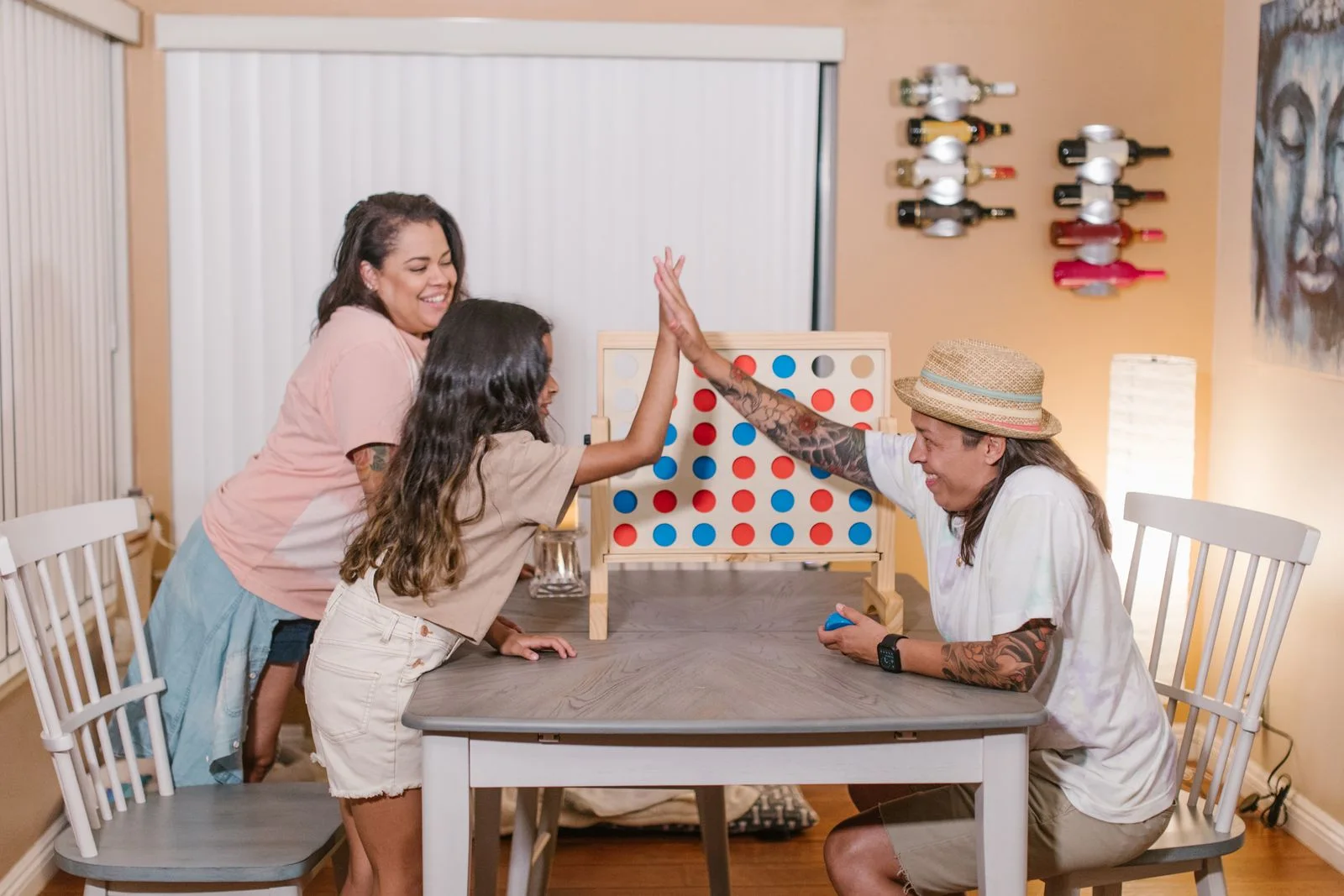
A casual game afternoon can lose momentum during a long explanation of every possible move. Start with the shared goal and the first ordinary turn, while keeping the actual rules available for details. This gives new players a concrete beginning without quietly inventing a different game.
Name the goal in plain language
Explain what players are trying to achieve and how the game ends. Distinguish winning from simply taking a turn: collecting a piece may be part of play without being the final objective. Use the terms from the rules so the explanation and the printed instructions can be compared.
Check that everyone can see the board or playing area. Move the explanation rather than making someone lean across other people to follow it. A comfortable view is more helpful than repeating the same instruction louder from the far side of the table.
Demonstrate one normal turn
Use a sample move to show where play begins, what a player may do and when the turn finishes. Explain any choice that must be made at that point. Keep the example ordinary rather than using a rare exception as the introduction to the whole game.
Return any demonstration pieces to the correct starting arrangement before real play begins. Otherwise the explanation can accidentally change the opening position. Let the first player try the sequence with the rules nearby, and answer the question that arises from that turn.
Separate rules from optional agreements
If the group wants a shorter session or another variation, agree it openly and distinguish it from the published rules. A new player should not have to infer which instructions are part of the game and which belong only to this afternoon.
Check that the variation still makes sense for the group. If nobody knows how it affects the ending, following the ordinary rules may be simpler. Keep the explanation honest when a question is unresolved: look it up in the supplied instructions rather than presenting a confident guess as a rule.
Make questions easy to ask
Leave the rulebook within reach and pause briefly when someone needs clarification. A relaxed first round may involve more questions than later play. Avoid treating a missed detail as evidence that someone was not listening; the action often makes a rule clearer than the first spoken explanation.
At the end of the game, check that the pieces return to their proper storage and that any agreed pause is recorded clearly if play will continue. Notice which part of the introduction caused confusion. Next time, demonstrate that movement earlier rather than adding an even longer speech. A useful first-turn explanation gives everyone a fair way into the same game.
Related reading
Set Up a Small Game Afternoon Without Taking Over the Room, Make a Rainy Saturday Backup Before the Plans Fall Apart.
More considered choices, fewer impulse buys.
Read our editorial standards →