Read Fabric Texture Beyond an Online Product Photograph
Our guides are independently written. Some shopping links may earn us a commission when identified as affiliate links, at no extra cost to you. Read our disclosure.
Treat the photograph as one kind of information
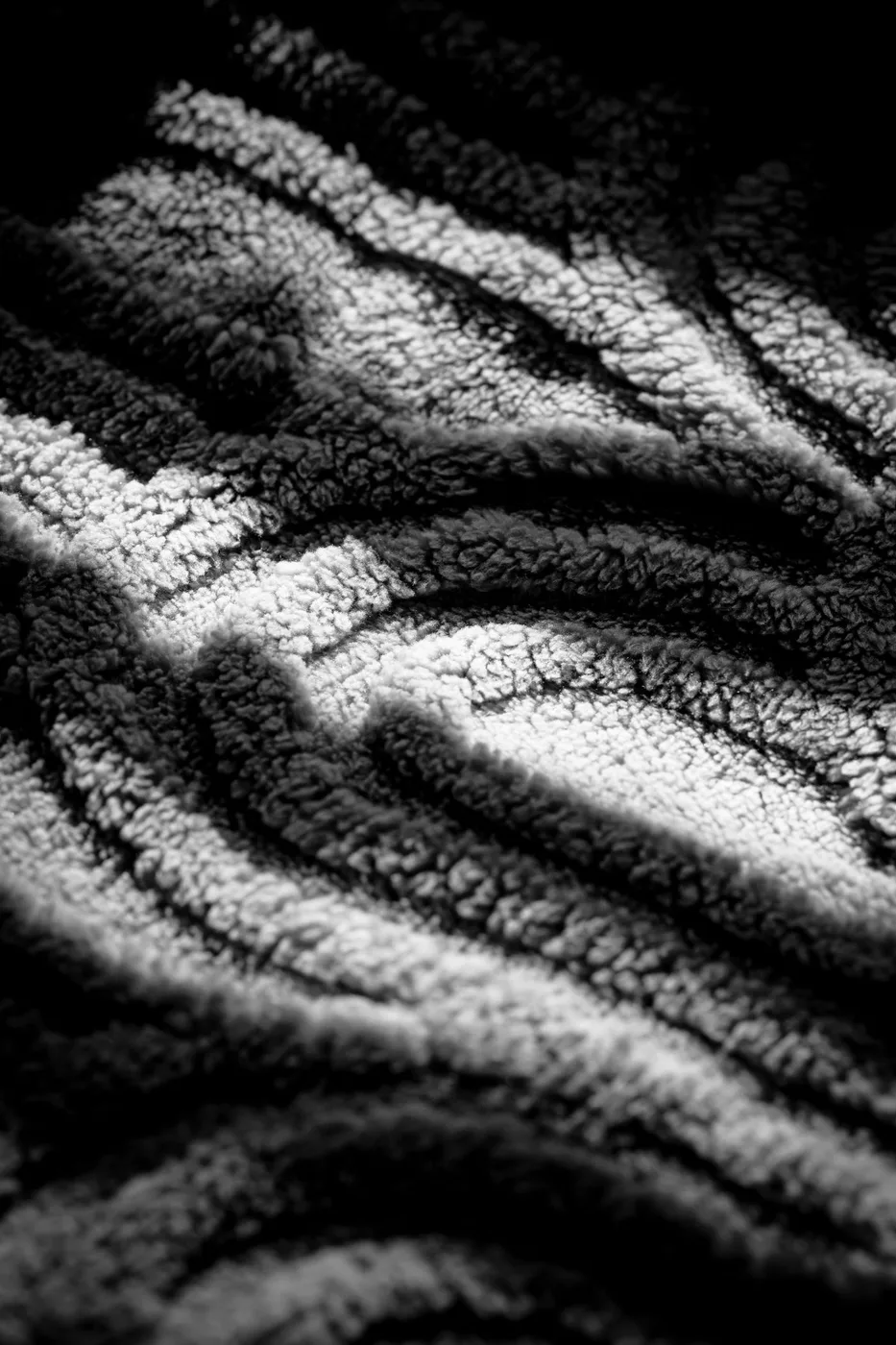
An online fabric close-up can show an appealing texture while leaving important questions unanswered. Use it to observe visible surface details, then separate those observations from claims about composition, feel and performance. A photograph alone cannot establish all three.
Start with the garment's intended role. The texture that interests you for an occasional jacket may not answer what you need from an everyday top. Naming the role makes it easier to decide which missing product details actually matter.
Read the specific description
Check the material composition and construction information supplied for the actual item and selected variant. Do not assume every color or version shares identical details. Keep unknown information visible instead of filling the gap with a familiar fabric name.
Distinguish a retailer's descriptive language from a measurable product fact. Words such as luxurious or soft can describe an impression without telling you whether the item suits your preferences. Ask a suitable product question where the information remains unclear.
Compare close and complete views
Look at the texture image beside the complete garment view. A greatly enlarged detail can make a subtle surface appear dominant, while the full outfit shows how much of it is visible in ordinary wear. Check whether the images actually refer to the same variant.
Avoid using filters or screen adjustments to force the color into a retained palette. Screens and photography can affect appearance. If exact coordination matters, look for a suitable real-item comparison or another appropriate way to resolve the uncertainty.
Include contact and care questions
Consider what the garment will touch: another layer, a bag strap or familiar jewelry. Read relevant product guidance rather than assuming a visibly textured surface behaves like another garment already owned. Keep its actual care requirements in the decision too.
Our care-planning guide helps keep requirements realistic. A piece that looks attractive may still create care or handling needs the household cannot support. That is useful information before a purchase, not a reason to ignore the label afterward.
Keep the shopping decision reviewable
Before buying, check current sizing information, availability and return terms directly. Save the item reference where it helps identify what was considered, without retaining unnecessary personal account details. Do not claim certainty about the fabric from another buyer's photograph alone.
Our focused shopping guide supports a concrete wardrobe need. If essential questions remain unanswered, another retained garment or a better-described option may be more useful than guessing from the most attractive close-up.
Online-texture questions
Can a close-up identify fiber content? Read the actual composition information.
Does a highly enlarged texture show its everyday visual impact? Compare the full garment view too.
What if the description stays vague? Ask the specific product question or choose an option whose relevant requirements can be established.
More considered choices, fewer impulse buys.
Read our editorial standards →