Return an Empty Suitcase to Its Ready Home
Our guides are independently written. Some shopping links may earn us a commission when identified as affiliate links, at no extra cost to you. Read our disclosure.
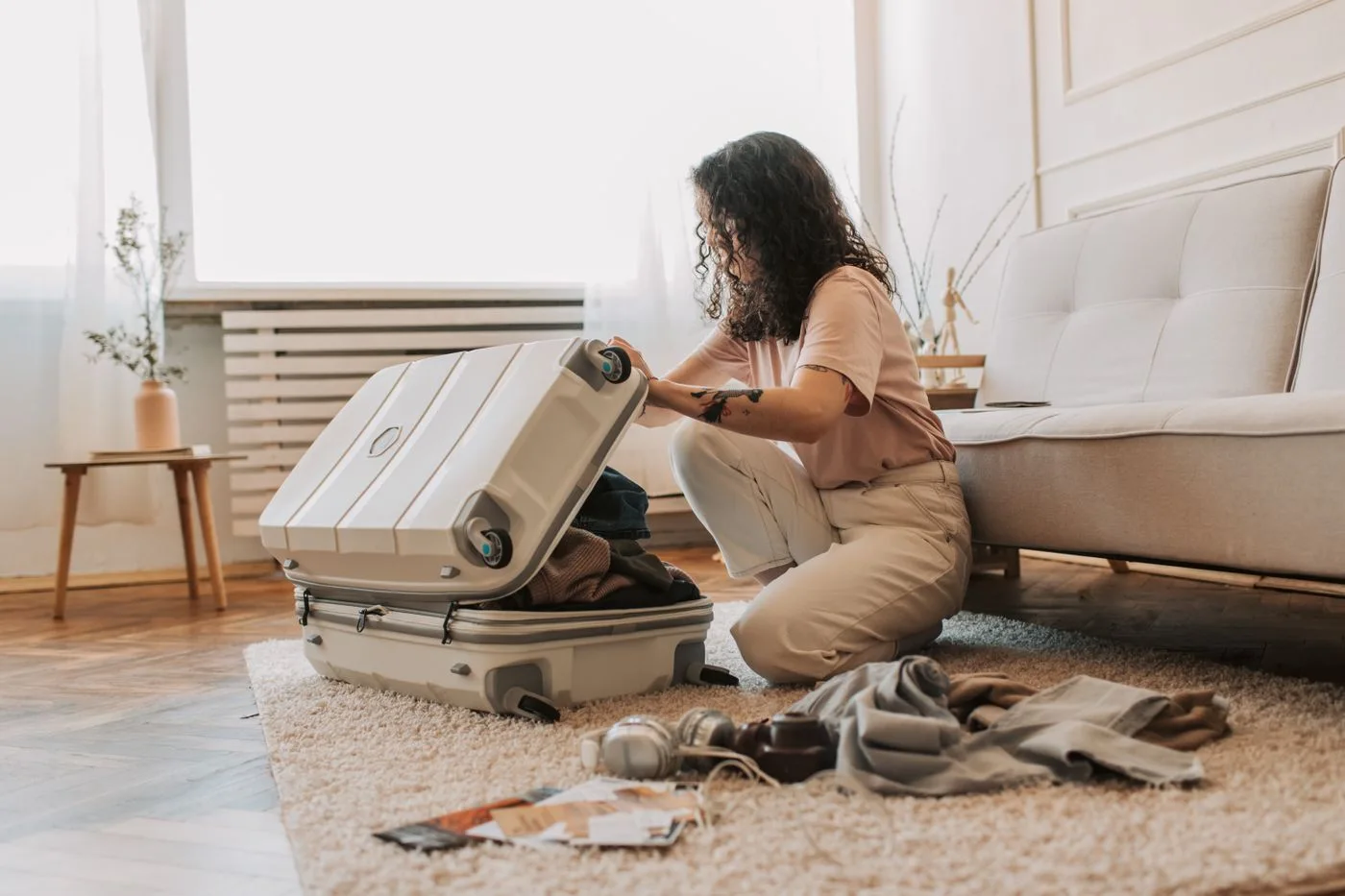
An empty suitcase is not necessarily ready for the next trip. It may still contain a small forgotten item, have a component needing attention or be occupying a temporary corner with no defined return. Give the unpacking session a clear endpoint that distinguishes ready luggage from luggage merely no longer full of clothes.
Empty by compartment, not by first impression
Work through the case's actual pockets and separate sections in a consistent order. Return personal items to their proper places rather than transferring them into another mixed travel pouch automatically. A compartment that looks flat can still hold a document or small accessory.
Handle private papers appropriately. Decide what needs retaining and what can be cleared through a suitable process. The suitcase should not become a long-term document archive simply because its pocket kept the paper out of sight after the trip.
Make three short destination groups
Use a simple distinction: household items to put away, travel equipment to return and anything needing attention. Keep the groups manageable and complete their next steps rather than creating permanent piles around the open case.
Follow the suitcase and contents' actual care information. A damp, soiled or damaged item should not enter a ready group just because it has been removed from the main compartment. Unpacking is the moment to identify that condition clearly, not to hide it inside a cleaner-looking container.
Check the case while it is accessible
Inspect the ordinary user-operated parts appropriately without forcing or dismantling them. Note a wheel, handle or closure issue that requires a supported next step. The fact that the case completed the last journey does not resolve a problem noticed at home.
If action is needed, keep that status distinct from ready luggage. Record the specific question or task and retain relevant product information. Avoid a vague reminder to fix suitcase that does not identify what happened or how the issue will be addressed.
Complete the return position
Once the case meets its care and use requirements, close it through its intended movement and return it to suitable storage. Include the whole stored outline and the route needed to retrieve it, rather than choosing a place where it can be pushed in but not comfortably taken out.
Keep unrelated household overflow out of the case unless that is a deliberate clearly recorded storage role. Otherwise a future packing session begins by discovering possessions that have no other home. Ready luggage should have a status that another household member can understand.
End the session by checking that the temporary unpacking area is clear and any unresolved task has a defined next action. The suitcase's ready home is then more than a location. It represents a completed transition from trip contents to household destinations, with the equipment available for its next journey rather than waiting in a different shape of unfinished work.
Related reading
Unpack a Weekend Bag Before It Becomes Hallway Storage, Separate Current Home Clothing From the Packing Group.
More considered choices, fewer impulse buys.
Read our editorial standards →