Caring for The Elderly – 7 Tips for Nurses
As per the World Health Organization (WHO), the population of individuals over the age of 60 years will reach 22 percent by 2050. All these people, who are and will be at this age, need special care and attention, not only by their families but also by healthcare practitioners. Nurses, being the closest to elderly patients in nursing homes and other care facilities, need to figure out ways to handle them with care and responsibility.
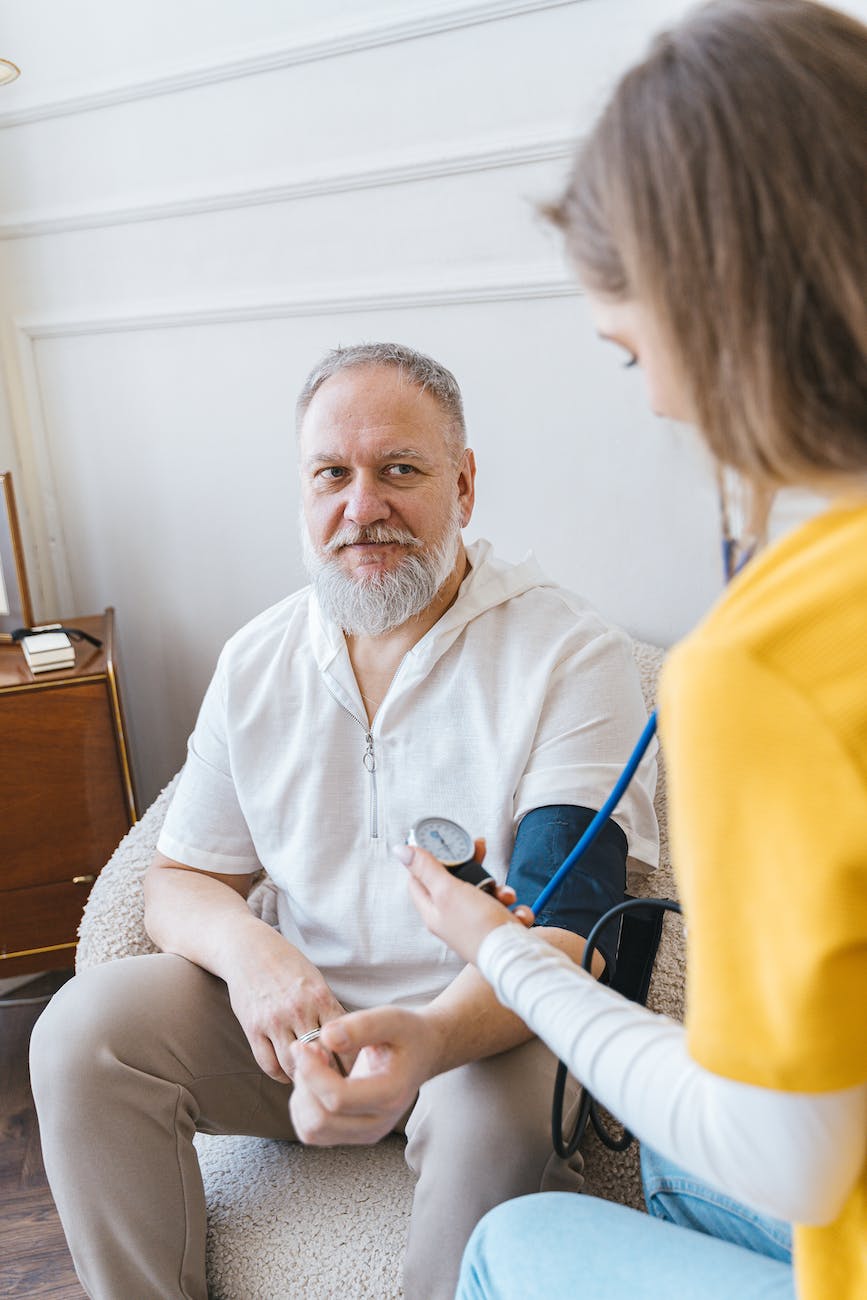
It requires constant effort and commitment to deal with the elderly in ways they don’t feel bad about their health issues, dependence, and age. Luckily, there are guidelines on better care for the elderly, which makes the entire process easier for nurses.
Tips for Nurses Regarding Elderly Patient Care
Other than end-life crises, older adults commonly face health issues and cognitive failures, making their care challenging for adult gerontology nurse practitioners. While elderly patient care is difficult, these tips can help nurses look after elderly patients effectively.
Along with taking practical steps for elderly patient care, nurses should work on their soft skill development through higher learning prospects. Although a Bachelor’s in Nursing (BSN) degree is the minimum requirement in most states for nurses to start their practice, additional certifications and higher degrees are always encouraged. Such academic endeavors enable nurses to hone soft skills such as emotional intelligence to ensure holistic patient care. Nurses interested in adult gerontology should go for a master of science in nursing program.
And since eLearning is gaining widespread popularity, finding a program that meets your need won’t be a hassle. For nurses juggling work and other commitments, pursuing an online MSN AGPCNP program is a viable option.
Now, let’s go over other tips:
- Effective communication
When it comes to older people, effective communication is inevitable for keeping them happy. Naturally, aged people constantly experience feelings of loneliness and isolation, so talking to them softly and politely may help.
Nurses should practice active listening and address their concerns and needs. Also, it’s common for the elderly to have a vision or hearing impairment, so speaking to them clearly and at an appropriate volume is essential.
- Maintain respect and dignity
Feelings of vulnerability are common in people with health issues or those dependent on others to complete their tasks. Unfortunately, this is especially true for older people, who may feel embarrassed or ashamed for always asking for help. Therefore, showing empathy, kindness, and respect toward them is important while attending to them.
As nurses, try to maintain their privacy and constantly remind them that you’re there just for assistance and that they are strong independent beings. Such behavior helps boost their confidence and makes them believe they aren’t a burden.
- Build a strong rapport
Building a strong rapport is another critical element of providing effective care to the elderly. Nurses must develop meaningful relationships with their patients to foster trust, mutual respect, and understanding. It also necessitates listening to the patient’s concerns, fears, life stories, and vulnerabilities.
By demonstrating a genuine interest in their lives, nurses can help them feel heard, valued, and understood. Regular communication, positive body language, and a non-judgmental attitude can all contribute to building a strong rapport. A strong rapport allows nurses to gain insight into each patient's unique needs and preferences, which can help improve their overall health outcomes. By building a strong rapport with elderly patients, nurses can help promote their physical, emotional, and social well-being.
- Encourage family involvement
No one can replace family and friends, and it becomes more relevant in the case of older adults. Therefore, their involvement in elderly patient care cannot be denied. As nurses spend a lot of time with elderly patients, they need to deeply know their needs and concerns.
Hence, nurses should encourage family members of the elderly to participate in their care plans and share information about their life and preferences. These insights can help nurses take care of the elderly better.
- Focus on elderly safety
From taking care of older adults in terms of their emotional well-being to looking after their physical health and safety, every step requires extra vigilance. Fall injuries are excessively common in older people. Studies show that one in every three people (aged 65 and above) experiences a fall mishap, and it’s more likely for them to fall for the second time.
Therefore, nurses need to be extra careful about the mobility and balance issues of elderly patients. They should be provided with appropriate aid in the form of wheelchairs or walkers so the likelihood of fall injuries can be minimized.
- Pay attention to medications
As nurses providing care for the elderly, paying attention to medications is extremely important. Elderly patients often have multiple medical conditions and take numerous medications, which increases the risk of drug interactions and adverse effects. So, nurses need to thoroughly understand each medication, dosage, and potential side effects.
Nurses must also ensure that patients take their medications correctly and at the right times, which may involve administering medications directly or setting up medication reminders. By closely monitoring medications, nurses can help prevent adverse drug events and improve their patient's overall health and well-being.
- Provide emotional support
Providing emotional support is a crucial aspect of the roles of adult gerontology nurse practitioners. Most older people experience feelings of loneliness, isolation, and sadness, particularly if they cannot participate in activities they once enjoyed. Emotional support at this point helps them feel better.
Nurses can provide a supportive presence, validate their feelings, and offer reassurance during difficult times. Engaging patients in conversation, reminiscing about happy memories, and involving them in interesting activities can help lift their spirits and improve their emotional well-being. By providing emotional support, nurses can help their elderly patients feel valued, connected, and understood, improving their health outcomes.
Final thoughts
Elderly patient care is a cumbersome task for both the family and nurses attending to them. Adult gerontology nurse practitioners should continuously work on professional and personal development to do justice to the role.
If you don’t evolve, not only will your patients suffer, but you will also have difficulty taking care of them. But this occupation is challenging, and it requires immense empathy to attend to those who are even abandoned by their families sometimes.
- Enhancing Property Value and Curb Appeal with Professional Pressure Washing - April 17, 2026
- How Dental Implants Are Reshaping Oral Health - April 17, 2026
- When Should You Seek Professional Help for Your Child? - April 17, 2026