Prepare the Actual Baking Pan Before Mixing Begins
Our guides are independently written. Some shopping links may earn us a commission when identified as affiliate links, at no extra cost to you. Read our disclosure.
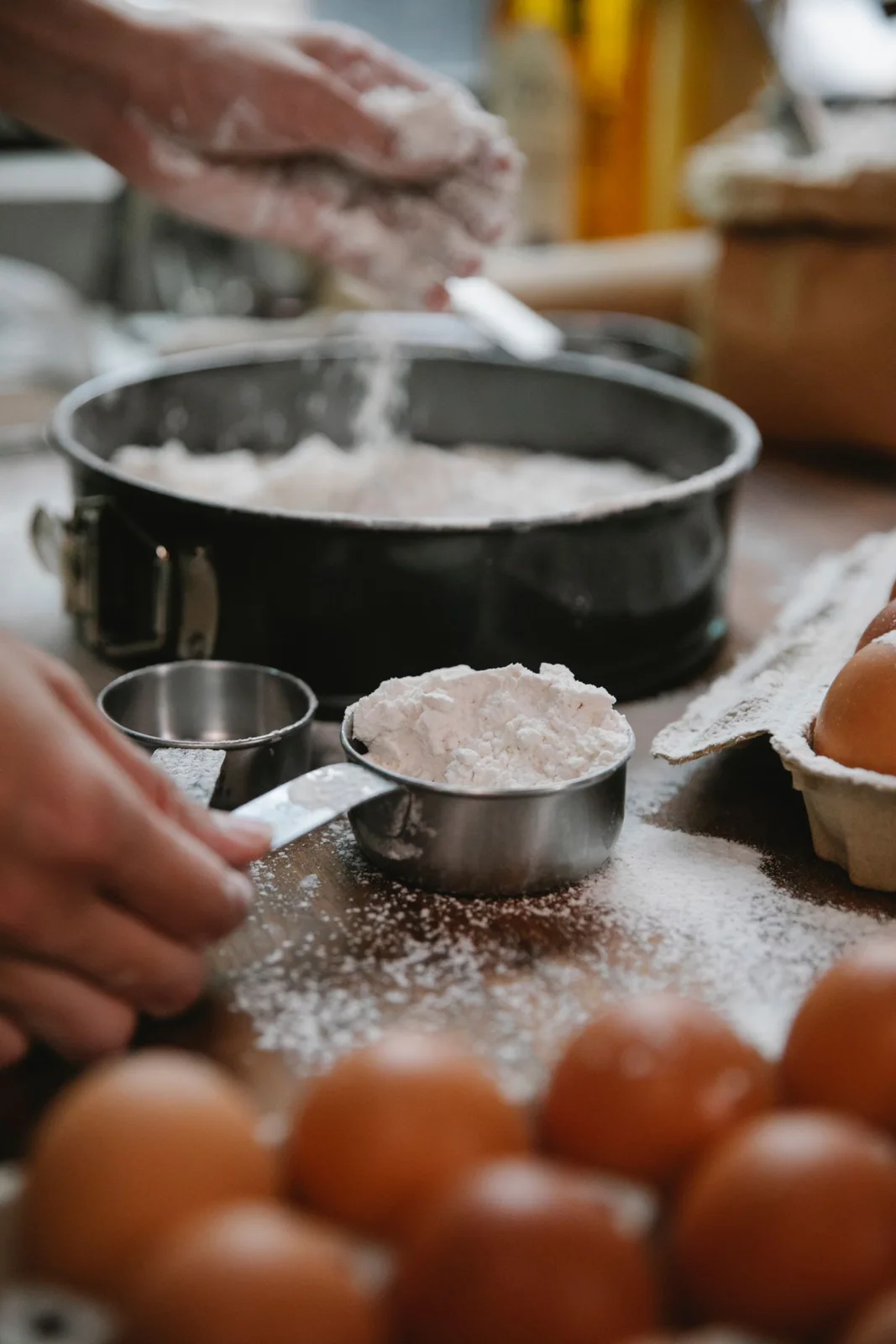
Make the baking pan the first physical item on the worktop, before collecting bowls of ingredients. That small change exposes equipment questions early: which pan is intended, whether its parts are present and what the method asks you to do to it. The mixing stage can then begin with a prepared destination instead of a search.
Put the recipe beside the pan
Read the equipment reference and compare it with the actual object. Record the named size, shape and construction. A pan that looks close in a cupboard may differ in a way relevant to the recipe, so do not let visual resemblance settle the question.
If the specified pan is unavailable, establish a supported alternative through reliable recipe guidance before proceeding. The goal is not to force every recipe into the equipment already on the counter. It is to make the decision while ingredients are still in their identified packages.
Account for separate parts
Identify any base, ring or other component belonging to the pan. Follow the product's assembly instructions and inspect the equipment appropriately while cool. Keep components from different pans distinct, even when they appear to have similar dimensions.
Do not use the first filling of batter as an assembly test. Any uncertainty about condition, compatibility or closure belongs before mixing. Resolve it through the product information or suitable help rather than improvising a temporary fastening that the equipment was not designed to use.
Complete only the stated preparation
Find the method's directions for lining, greasing or another preparation. Use suitable products and follow their own information. A loose sheet left beside the pan is not the same as a completed step, particularly when another person will receive the bowl later.
Give the prepared pan a clear suitable waiting position. Keep it out of the way of unrelated food preparation and equipment movement. The point of preparing first is lost if the pan must be moved repeatedly through a crowded counter before it receives the mixture.
Check the destination before the final mixing action
Before reaching the recipe stage that leads to filling, glance at the waiting pan. Is it still the correct complete group, and is the intended pouring route clear? This is a destination check, not permission to extend the mixing while another task is finished.
If someone is helping, name the pan and its next action plainly. Avoid referring to the round one when several similar pieces are present. A short accurate instruction can prevent a carefully prepared bowl from reaching the wrong equipment.
After the bake, keep the parts together through their specified care and return. Save any useful pan reference with the recipe. Next time, putting that pan out first can turn a recurring late decision into an understood early step, leaving the busy mixing period focused on the method itself.
Related reading
Keep the Weekend Cookie Equipment Group Bounded, Read the Chopping Size Before Starting a Weekend Recipe.
More considered choices, fewer impulse buys.
Read our editorial standards →