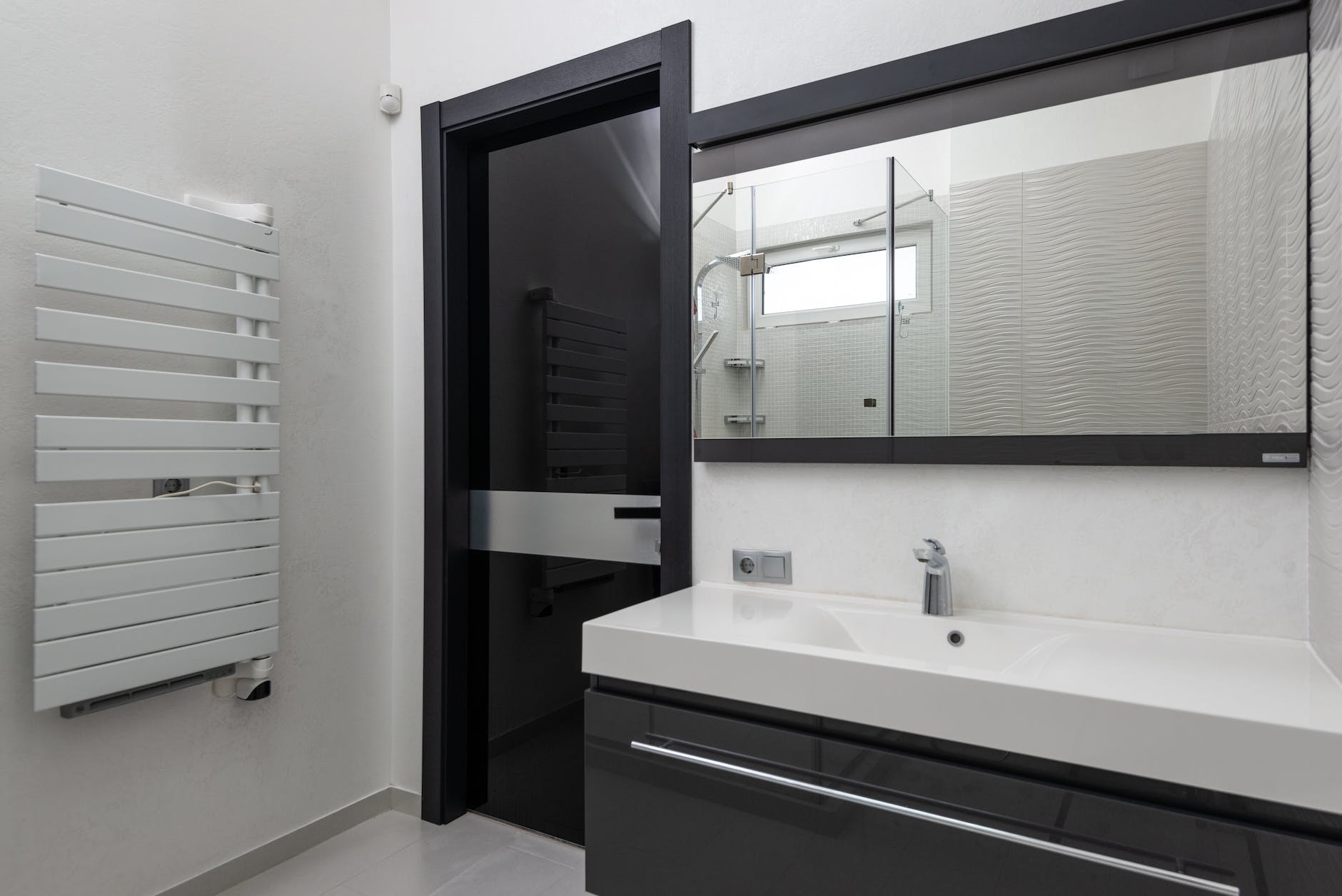
Why I choose vertical radiator for my home
When I was renovating my home last year, one of the biggest decisions I had to make was choosing the right radiators. I wanted something that would not only keep my family warm and cozy but also complement the style of my home. After much research and consideration, I opted for vertical radiators, and I couldn't be happier with my choice. Vertical radiators are a stylish, space-saving, and efficient heating solution that can transform any room in your home.

The Benefits of Vertical Radiators
Space-saving design
One of the main advantages of having a vertical radiator is its space-saving design. Unlike traditional horizontal radiators that can take up a significant amount of wall space, vertical radiators have a slim, upright profile that allows for more flexibility in furniture placement and room layout. This makes them ideal for small rooms, hallways, and bathrooms where every inch of space counts.
Stylish and modern appearance
Vertical radiators come in a wide range of colors, finishes, and styles to suit any decor. Whether you prefer a sleek, modern look or a more traditional aesthetic, there's a vertical radiator to match. Some popular styles include:
- Chrome
- Black
- White
- Anthracite
By choosing a vertical radiator that complements your interior design, you can turn a functional appliance into a stylish design feature.
Efficient heat distribution
Another benefit of vertical radiators is their ability to distribute heat more efficiently than horizontal radiators. The vertical design enables better air circulation and convection, allowing heat to rise more evenly throughout the room. This means that your room will warm up faster and more effectively, providing a comfortable environment for you and your family.
Choosing the Right Vertical Radiator
Size and heat output
When selecting a vertical radiator, it's important to consider the size of your room, the amount of window area, and the level of insulation. These factors will determine the required heat output, measured in British Thermal Units (BTUs). Vertical radiators come in various widths and heights to suit different spaces, so you can choose the perfect size for your needs. Use online calculators or consult with professionals to ensure accurate sizing.
| Room Size (m²) | Required BTUs |
|---|---|
| 5-10 | 1000-2000 |
| 11-20 | 2000-4000 |
| 21-30 | 4000-6000 |
| 31-40 | 6000-8000 |
Material and finish
Vertical radiators are available in different materials, each with its own characteristics:
- Steel: Good heat conductivity, affordable, and durable
- Aluminum: Lightweight, fast to heat up, but more expensive
- Cast Iron: Excellent heat retention, heavy, and traditional in appearance
The finish of your vertical radiator can also affect its performance and appearance. Some finishes, like chrome, are highly reflective and can enhance the radiator's heat output, while others, like matte black, provide a more understated look.
Valve type and placement
Valves are an essential component of any radiator, as they control the water flow and heat output. There are two main types of valves:
- Manual valves: Require manual adjustment to control temperature
- Thermostatic valves: Automatically regulate temperature based on room conditions
The placement of the valves can also vary, with options including bottom, side, or within the radiator body. Consider the layout of your room and the accessibility of the valves when making your choice.
Installation and Maintenance
Professional installation recommended
While it may be tempting to install your vertical radiator yourself, it's best to leave this task to the professionals. Proper installation is critical for the safe and efficient operation of your radiator, and involves connecting to central heating pipes and potentially moving existing pipework. Qualified plumbers or heating engineers have the expertise and tools to ensure a seamless installation process.
Bleeding and balancing
Over time, air can become trapped inside your radiator, reducing its efficiency. To maintain optimal performance, you'll need to “bleed” your radiator regularly. This involves releasing the trapped air using a radiator key. Additionally, your entire heating system should be balanced to ensure even heat distribution across all radiators. These simple maintenance tasks can be done by homeowners or hired professionals.
Cleaning and paint touch-ups
To keep your vertical radiator looking its best, dust and clean it regularly. This will not only maintain its appearance but also ensure that it continues to radiate heat effectively. Minor scratches or chips can be easily touched up using paint provided by the manufacturer. For deep cleaning or a full repaint, it's best to enlist the help of professionals to achieve a flawless finish.
Conclusion
Vertical radiators offer a range of benefits, from their space-saving design and stylish appearance to their efficient heat distribution. By considering factors such as size, material, finish, and valve type, you can choose the perfect vertical radiator to suit your home's needs. With proper installation and regular maintenance, your vertical radiator will provide reliable, effective heating for years to come.
In my personal experience, installing vertical radiators in my home was one of the best decisions I made during my renovation. Not only do they keep my family warm and comfortable, but they also add a touch of modern elegance to every room. If you're looking for a heating solution that combines functionality and style, I highly recommend considering vertical radiators for your space.
- Residential Driveway Planning Guide: Materials, Drainage, Installation, and Maintenance - August 20, 2026
- A Flexible Zion National Park Itinerary for Hikers, Families, and Scenic Road Trippers - August 20, 2026
- Persistent Odors Need Source-Level Treatment: FIRESTONE Restoration Provides Professional Ottawa Sanitizing Services - August 20, 2026