Transform Your Bathroom: The Ultimate Guide to Tub-to-Shower Conversions
Table of Contents
- Why Consider a Tub-to-Shower Conversion?
- Planning Your Conversion
- Design Ideas for Small Bathrooms
- Cost Considerations
- Accessibility and Safety
- Choosing the Right Contractor
- Conclusion
Upgrading your traditional bathtub to a modern shower is a practical way to maximize space while enhancing your bathroom's style. Whether you want more accessible bathing or a contemporary vibe, a tub to shower remodel offers a solution that balances functionality and aesthetics. Today’s homeowners are seeking more streamlined, low-maintenance bathing options that enhance their daily routines and add value. A well-planned tub-to-shower conversion delivers just that, transforming older bathrooms into visually appealing and highly usable spaces for everyone in the household. Remodeling a bathroom does not have to mean sacrificing your personal style or compromising convenience. With proper planning and the right guidance, any bathroom can become a refreshing retreat for years to come.
Why Consider a Tub-to-Shower Conversion?
Homeowners choose to replace their bathtub with a shower for a variety of compelling reasons:
- Space Efficiency: Showers require less floor area, which frees up precious square footage and can make even smaller bathrooms feel open and airy.
- Modern Appeal: With styles ranging from clean-lined glass enclosures to elegant tile work, a new walk-in shower brings a refreshed, up-to-date look to the entire space and often adds resale value.
- Accessibility: Showers provide significantly easier access than tubs, especially for older adults or individuals with limited mobility. Many shower systems can be further customized to meet special needs.
Planning Your Conversion
A successful tub-to-shower conversion starts with careful planning. Follow these steps to streamline the process:
- Assess Your Space: Take precise measurements to decide what size and shape of shower will fit your bathroom layout best.
- Set a Budget: Determine how much you can spend, factoring in materials, skilled labor, and potential unforeseen expenses, which is crucial for staying on track.
- Choose Materials: Opt for water-resistant and durable materials such as acrylic, porcelain tile, or stone for long-lasting performance and easy maintenance.
- Obtain Permits: Check local regulations and building codes before starting. Permits are often required for major plumbing or structural changes.
Design Ideas for Small Bathrooms
Even the smallest bathrooms can be transformed with the right design approach:
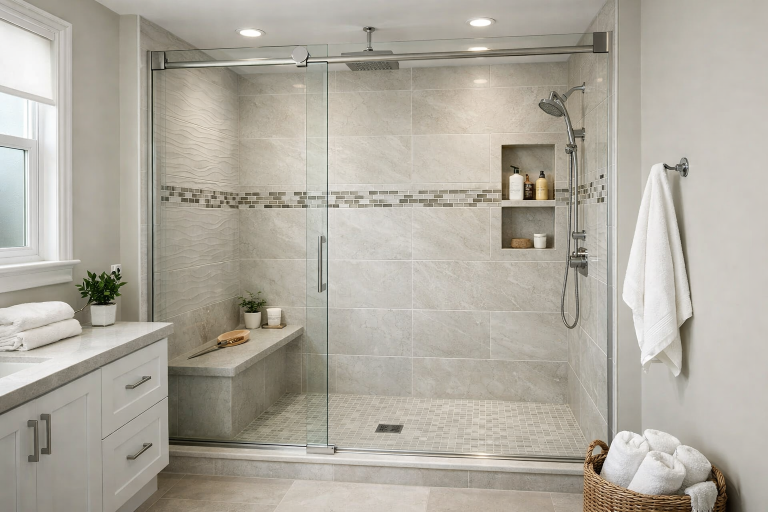
- Curbless Entry Showers: This zero-threshold style blends seamlessly with the rest of your bathroom, making it visually larger and easier to access for all ages.
- Glass Enclosures: Frameless shower doors not only enhance modern aesthetics but also eliminate visual barriers, creating a light, open atmosphere.
- Built-In Niches and Benches:Integrated storage and seating keep essentials organized while maintaining a streamlined look.
- Vertical Tile Designs: Tiles installed vertically or accent walls that extend to the ceiling will visually stretch the room upward, making it feel less cramped.
- Wall-Mounted Fixtures:Floating vanities and wall-attached faucets offer more visible floor space, which contributes to a less cluttered look in compact bathrooms.
Cost Considerations
Converting a bathtub to a shower can range in cost depending on several important factors:
- Shower Type: Prefabricated shower kits and stalls are a cost-effective option, while fully custom tile or curbless showers command higher prices due to added materials and expert installation.
- Shower Size: Enlarging your shower area can increase the need for additional tile, glass, waterproofing, and labor, all of which will impact the total price.
- Glass Enclosures: Framed glass tends to be more affordable. If opting for frameless or custom designs, expect thicker glass and precise fitting, which can add substantially to the cost.
- Plumbing Changes: Moving drains or water supply lines, or upgrading to a new shower valve, will increase your labor costs.
- Structural Modifications:Some designs may require the subfloor to be redone to ensure the correct drainage angle and overall stability of the new shower.
- Extra Features: Amenities like benches, grab bars, rain showerheads, smart digital controls, and custom lighting will further elevate your project budget.
Accessibility and Safety
One of the greatest benefits of converting a bathtub to a shower is the improved safety and accessibility:
- Low-Threshold Entry:Reduces the risk of trips and falls by making it easier to step into the shower.
- Grab Bars: Provide added security and support, especially helpful for seniors and individuals with physical limitations.
- Non-Slip Flooring: Textured surfaces or anti-slip coatings greatly reduce the likelihood of accidental slips.
Choosing the Right Contractor
To ensure that your tub-to-shower conversion is both beautiful and durable, it is essential to work with a reputable bathroom remodeler:
- Experience: Look for professionals with extensive experience in bathroom remodeling and shower conversions.
- References: Always request and verify references to gauge customer satisfaction and the contractor’s reliability.
- Licensing and Insurance:Confirm that your contractor is properly licensed and carries adequate insurance for all workers on site.
- Detailed Estimates: Request comprehensive written estimates that clearly spell out project costs, timelines, and the exact scope of work.
Conclusion
Transforming a bathtub into a walk-in shower is a smart and stylish way to upgrade your home. By focusing on layout, smart material selection, accessibility, and expert installation, your new bathroom will provide lasting value and daily comfort for years to come. In addition to enhancing functionality, a walk-in shower can create a more open and modern appearance, making even smaller bathrooms feel larger and more inviting. Features such as low-threshold entries, slip-resistant flooring, and built-in storage can further improve convenience and safety for users of all ages. Whether your goal is to support aging in place, increase your home's resale appeal, or enjoy a more luxurious bathing experience, a well-planned conversion is a worthwhile investment. With thoughtful design and quality craftsmanship, your updated bathroom can deliver both practical benefits and timeless style.
- Residential Driveway Planning Guide: Materials, Drainage, Installation, and Maintenance - August 20, 2026
- A Flexible Zion National Park Itinerary for Hikers, Families, and Scenic Road Trippers - August 20, 2026
- Persistent Odors Need Source-Level Treatment: FIRESTONE Restoration Provides Professional Ottawa Sanitizing Services - August 20, 2026