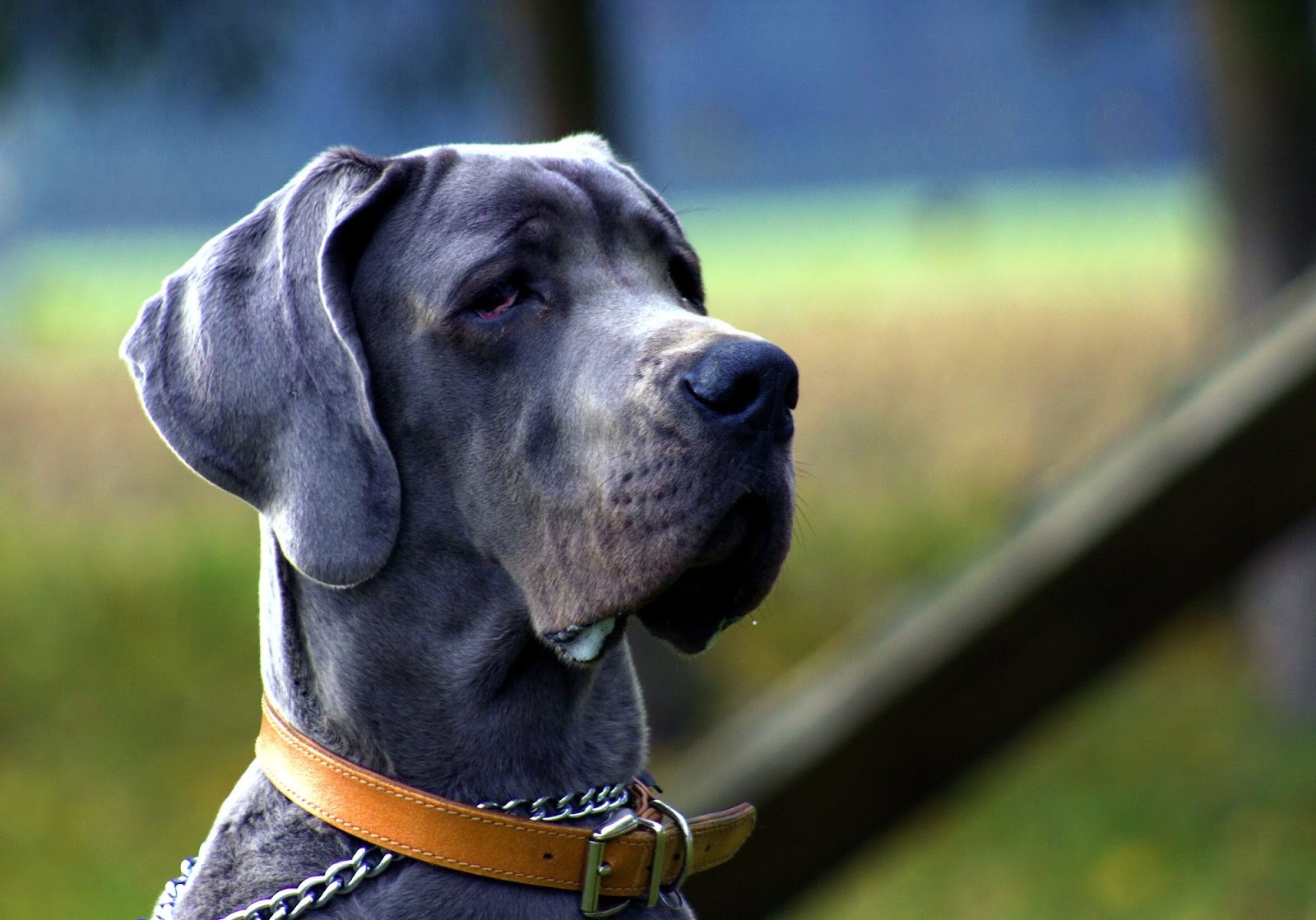
Top 10 Ways to Prevent Joint Issues in Dogs and Cats
Our four-legged pals are family members who need strong joints to play, leap, and pounce like humans. Discomfort and limited mobility caused by unforeseen joint issues such as dysplasia, ligament damage, or arthritis may be a real bummer. Fortunately, it is possible to avoid a lot of these problems. Your pet's joints can stay in great condition with little preventative maintenance and a dash of affection. Indulge in these 10 imaginative pointers to maintain paw prancing and tail wagging.

Ensure They Are Active Without Being Overburdened
Do not overdo it! Regular exercise helps maintain healthy joints and strong muscles, but too much of a good thing may be harmful. Skip the long runs and instead go for short walks or active play. Feather toys and laser pointers are a hit with cats, while games of fetch and agility are popular with dogs. According to Laveen Veterinary Center, a prestigious group of pet orthopedic surgeons, “keep them away from intense physical exertion, such as leaping around a lot or playing rough on hard floors. Like a well-balanced tug-of-war game, where neither side pulls too hard, balance is key.”
Keep Your Weight in Check
Joint pain is more common in those who are overweight. Less stress on the joints means more joy for a trim pet. Always provide your pet with a portion-controlled diet of high-quality food, and cut less on treats. Dogs may like low-calorie foods such as raw vegetables like cucumbers or carrots. Interactive feeders that simulate hunting instincts and allow food consumption management are ideal for cats. The greatest present you can give your pet's joints is maintaining their appropriate weight.
Make Sure to Offer Joint-Friendly Foods
Eat food that promotes healthy joints. To help maintain healthy cartilage and lessen inflammation, include dietary supplements such as glucosamine, chondroitin, and omega-3 fatty acids. “Joint support” formulae are available in many pet meals, but your doctor is always a good resource if you want specific advice. Always remember that proper diet isn't only about warding off diseases; it's also about making sure your beloved pet is always prepared for any adventure.
Get Enough Sleep and Rest
Rest is essential for everyone, even dogs! Give them a comfortable orthopedic bed to lay on while they sleep. This is crucial, particularly for older dogs or those with a history of joint problems. Because colds may worsen joint pain, ensure that their sleeping space is comfortable and clear of drafts. Your pet will remain active and comfortable all day long if it gets enough sleep to repair its joints.
Scheduled Veterinary Exams
Awareness is the first step in prevention. By doing routine exams, your vet may detect any indications of joint problems early on. If your pet is getting on in years or has a family history of joint issues, your vet may suggest X-rays or a mobility evaluation. By catching problems early, you may prevent them from affecting your pet's quality of life.
Promote Low-Impact Exercises
Swimming is great for humans and dogs because it's easy on their joints. Cats may not be the most daring swimmers, but they can stay flexible by playing on mild slopes or with interactive toys. Make ramps or steps available so people don't have to leap from tall furniture, which strains their joints.
Taking Care of the Personal Appearance
If your nails grow too long, your joints may be at risk. The constant repositioning that dogs with long nails need to do puts strain on their joints. Grooming and regular nail trimmings will keep your pet happy and healthy. If your pet is experiencing joint pain, such as stiffness or a lack of mobility, you might notice these symptoms as you groom them.
Keep Injuries at Bay
Many people hurt their joints in accidents or when they play rough. Never leave your pet alone while playing; never let them jump out of a moving vehicle or climb a flight of high stairs. Consider purchasing a harness instead of a collar to ease the pressure on your dog's neck and shoulders. Secure them outside or bring them inside while they're not being used.
Think About Orthopedic Support Devices
Orthopedic wraps, braces, and harnesses aren't just for people! These bolstering items are great for pets just starting to have joint problems or healing from an accident. Talk to your vet if you want to know what's best for your pet. When worn, these devices may aid in joint stabilization and healing without surgical intervention.
Value and Focus
Lastly, getting to know your pet is the greatest way to avoid problems. Watch for symptoms like limping, stiffness, or unwillingness to play that might indicate joint pain. Maintaining healthy joints requires prompt action. A well-loved pet is energetic and joyful, so make sure to lavish your furry friend with affection and attention.
- Residential Driveway Planning Guide: Materials, Drainage, Installation, and Maintenance - August 20, 2026
- A Flexible Zion National Park Itinerary for Hikers, Families, and Scenic Road Trippers - August 20, 2026
- Persistent Odors Need Source-Level Treatment: FIRESTONE Restoration Provides Professional Ottawa Sanitizing Services - August 20, 2026