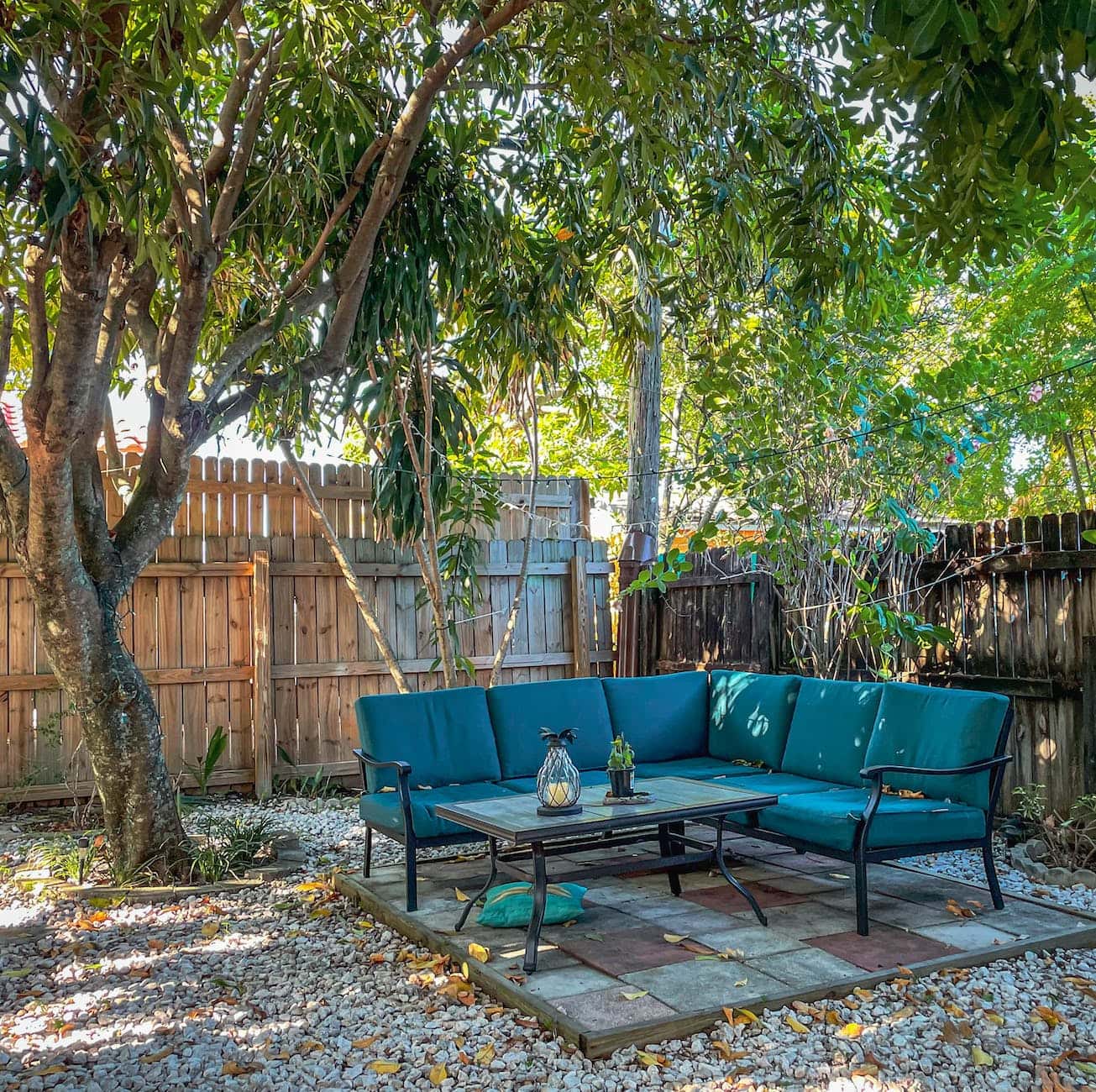
The Joy of Container Gardening: Growing a Garden in Limited Space
Container gardening is an easy and rewarding way of growing crops like vegetables in small or limited spaces. As a popular trend worldwide, this attractive method is unique compared to conventional gardens. Apart from planting vegetables, you can use a container garden to grow fruits and any other crop that you can envision.
If the soil in your garden area is rocky or poor or you live in an apartment with only a balcony or rooftop to plant on, consider growing a garden in containers. Almost anything grown in a regular garden can also be cultivated in containers. Additionally, many container alternatives suit every taste and price range, including options like mushroom growing kits.
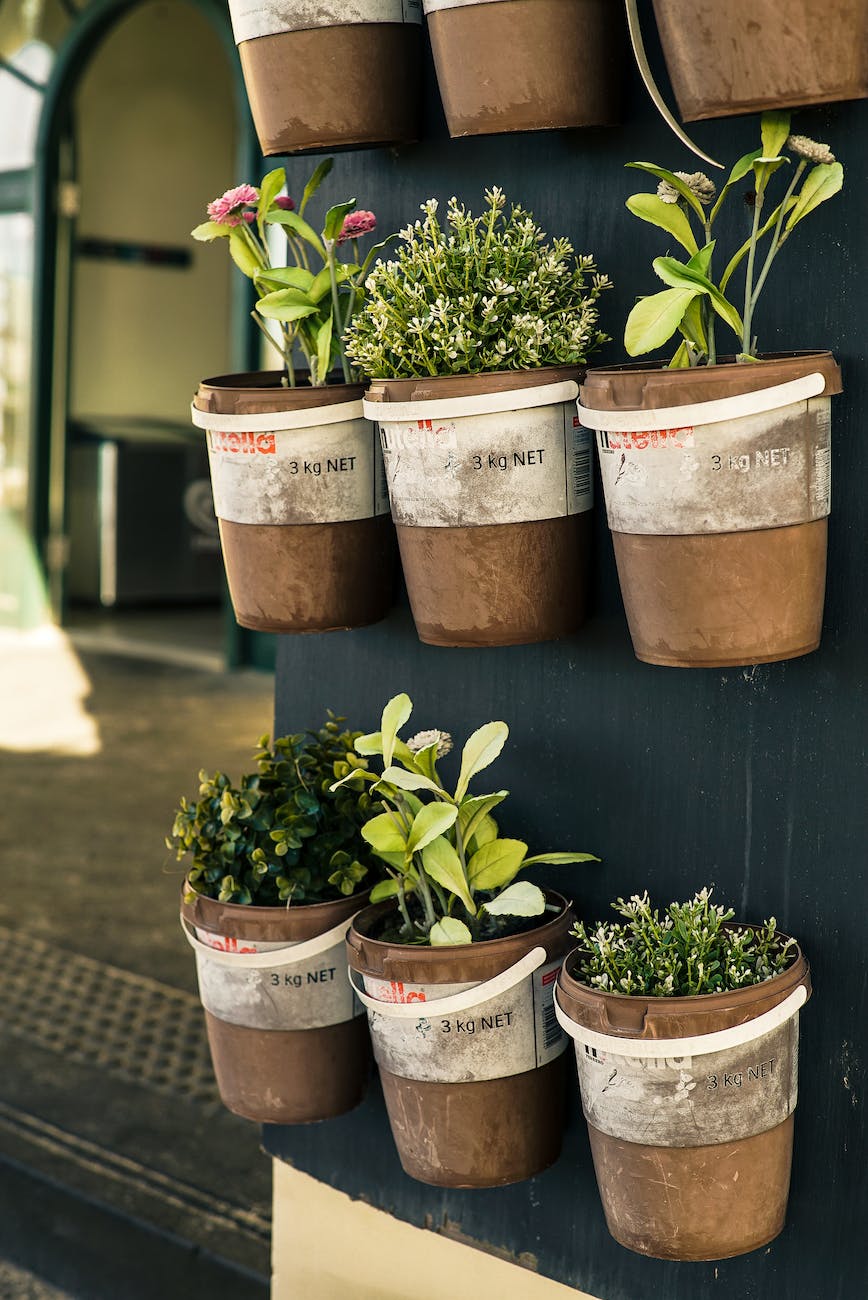
Tips and Ideas for Thriving Container Gardens
As you delight in the joys of container gardening, make sure that you follow these helpful tips and ideas:
Discover Your Sun-Kissed Spot
Your journey into container gardening should begin by finding the ideal site. Your gardens should receive at least 6-8 hours of direct sun daily. Partially shaded spaces should not be forgotten, as there are plants that thrive well under such circumstances.
Use The Right Container
The health and yield of your plants depend on the containers you choose. Therefore, consider using containers that will allow plants' roots to spread out for quality container gardening. Furthermore, they should have a considerable depth and width for steady crop support.
Large gardening containers are typically preferable since they require less attention. However, to avoid waterlogging, make sure every container has an adequate number of drainage holes.
There are many different types of gardening containers. They can be made from materials such as fabric, wood, ceramic, terracotta, plastic or wood. Every material offers benefits and things to consider of its own.
If you prefer terracotta pots, it's worthwhile to note that they have good circulation. They are also porous but heavy and may need to be watered more frequently. In the off-season, terracotta can also crack if not stored in an area free from cold.
Regarding wood, be sure to use only untreated wood. Cedar is an excellent alternative, but it can be pricey. Fabric nursery bags are the recommended option. They're often made of cotton and are reasonably priced. They also offer excellent drainage, making it extra easy for water to exit the bag. Fabric grow bags also have the advantage of being reusable.
Choose the Best Growing Media
When it comes to container gardening, the list of growing media is endless. Some common examples are natural soil, sand, clay, peat, compost, and potting mix. Nevertheless, you should always choose a high-quality potting mix. Experts say the more costly potting mix varieties tend to provide great advantages.
Potting mix provides nutrients, retains water, and provides aeration for container plants. To accomplish these goals, use premium potting mixes created especially for container planting. Avoid using natural soil alone because it can impair drainage and might harbour pests.
Most potting mixes are soilless mixtures of different organic and inorganic materials. They are designed to create ideal conditions for plants to grow in containers or pots. In most cases, the precise composition of potting mixes often varies depending on the needs of individual plants and the gardener’s preferences.
Pick Suitable Plants
Choose plants that complement one another regarding growth patterns and fertiliser requirements. Other considerations include the need for sunshine, available space, and tolerance with other plants. For instance, there are two types of tomatoes: determinate and indeterminate. That is to say, they either reach a fixed size or keep growing.
Instead of going with a string type that will keep growing, you can choose a variety for pot planting. Alternatively, you can choose determinate, a bush variant that grows to a specific size.
It's also worthwhile to keep the number of plants within a single container under control. Plants will find it more challenging to grow, and you'll find it daunting to care for them when there is too little space between them.
Do Proper Watering
It is important to water containers often since they dry up more quickly than garden beds. Insert the tip of your finger into the dirt to determine its moisture level. When it seems like the top inch is dry, add water. To promote the emergence of deep roots, you must ensure that the soil is well-moist. Water up till the bottom drainage ditches begin to empty.
Use drip irrigation systems or self-watering containers to keep your plants constantly wet. That is crucial, especially if you lead a hectic life or frequently forget to water your plants. One way is to put a storage jar within the container to gradually water the plant.
Employ Ideal Pest Management Strategies
If you spend only five minutes inspecting your plants daily, you will notice container gardening improvements. The leaves may curl, have holes, be discoloured, or have plenty of visible pests. As soon as you see changes, act quickly to stop the spread and, if necessary, consider using organic pest management techniques.
Do Pruning and Maintenance
Your container garden's health and attractiveness depend on routine trimming and upkeep. Thus, eliminate wasted flowers to promote ongoing blooming and stop plants from focusing their energy on making seeds.
To keep the form and vigour of the plant, you should also remove any sick or broken leaves and cut back any lanky growth. Gain control over the plant's growth by pulling off suckers that emerge between the main branch and a leaf node. Additionally, it will provide optimal ventilation, which lowers the risk of illness.
Conclusion
When you have limited space, container gardening offers a satisfying and approachable method to enjoy the benefits of gardening. You will build a flourishing green paradise by choosing appropriate containers, giving your plants enough care, and taking into account their unique requirements. Don't forget to give your plants enough water and to adhere to proper nutritional management.
- Residential Driveway Planning Guide: Materials, Drainage, Installation, and Maintenance - August 20, 2026
- A Flexible Zion National Park Itinerary for Hikers, Families, and Scenic Road Trippers - August 20, 2026
- Persistent Odors Need Source-Level Treatment: FIRESTONE Restoration Provides Professional Ottawa Sanitizing Services - August 20, 2026