Sustainable Landscape Design Trends for Modern Homes
Key Takeaways
- Native plants help reduce water usage and support local wildlife and pollinators.
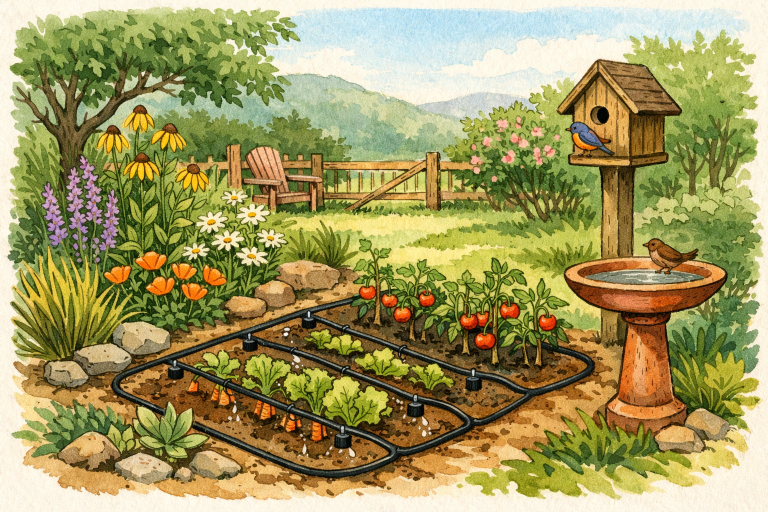
- Water-efficient landscaping features like drip irrigation and rain gardens conserve resources and lower utility costs.
- Outdoor living spaces and edible gardens enhance functionality, sustainability, and curb appeal.
- Smart technology and low-maintenance materials improve efficiency and reduce upkeep.
- Sustainable landscaping creates eco-friendly, attractive outdoor spaces that provide long-term value and environmental benefits.
As homeowners increasingly seek to harmonize aesthetics with environmental responsibility, sustainable landscape design has become a pivotal focus in modern home development. Embracing eco-friendly practices not only enhances curb appeal but also contributes to the health of local ecosystems. For those looking to implement such practices, Vargas Bros Landscaping offers creative landscaping solutions. With over 20 years of experience, this family-owned company specializes in a wide range of services designed to enhance the beauty and functionality of outdoor spaces. Their commitment to quality work and honest service has made them a trusted name in the industry. For homeowners looking to implement these sustainable practices, consulting with experienced professionals can be invaluable. Vargas Bros Landscaping, a trusted name in the industry, offers custom landscape solutions tailored to your specific needs.
Embracing Native Plantings
Integrating native plants into your landscape is a cornerstone of sustainable design. These species are naturally adapted to the local climate, requiring less water and maintenance. For instance, in Texas, homeowners are opting for native species like Texas sage and yucca to create drought-tolerant gardens that thrive year-round.
Native plants offer many additional benefits beyond lower water use. Since these species have evolved alongside local wildlife, they provide essential habitat and food sources for birds, bees, butterflies, and other pollinators. This interconnectedness supports the overall health and resilience of local ecosystems. By choosing a diverse palette of native perennials, shrubs, and trees, you can ensure seasonal interest and a year-round spectacle of color and texture, all while naturally discouraging pests and reducing the need for chemical interventions. When planning your native plant garden, consider layering plants by height and function, using groundcovers to suppress weeds, shrubs for structure and shade, and tall grasses to add movement. Incorporate mulch made from locally sourced, organic materials to conserve moisture and enrich the soil. Creating “plant communities”, groupings of species that support one another, mimics how plants grow in the wild, creating greater resilience against extreme weather events and diseases.
Water-Efficient Landscaping
Implementing water-efficient strategies, such as drip irrigation systems and rain gardens, can significantly reduce water use. These methods not only conserve a vital resource but also lower utility bills. Additionally, permeable paving materials allow rainwater to infiltrate the ground, reducing runoff and promoting groundwater recharge. Xeriscaping, a concept that emphasizes water conservation through thoughtful design, is an increasingly popular approach. This method can include grouping plants by their watering needs, selecting drought-tolerant groundcovers, and minimizing traditional lawn areas, which tend to require the most irrigation. Swales and bioswales, which are shallow trenches designed to capture and filter rainwater, can be seamlessly integrated into landscape designs for both beauty and function.
Outdoor Living Spaces
Creating functional outdoor living areas extends your home's usable space and encourages a connection with nature. Features like patios, fire pits, and outdoor kitchens are becoming increasingly popular. Thoughtful lighting and comfortable seating can transform a backyard into a year-round retreat. When designing these outdoor spaces, consider using natural materials such as stone, wood, or recycled composites. Planting shade trees strategically can create comfortable microclimates, lowering temperatures and providing natural cooling. Green roofs and living walls are innovative additions, especially in urban settings, adding beauty while improving air quality and biodiversity. Integrating water features such as small ponds or fountains not only enhances ambiance but can also attract birds and beneficial insects, contributing to the vitality of your garden.
Incorporating Edible Gardens
Edible gardens are gaining popularity as homeowners seek to grow their own produce. Incorporating fruit trees, vegetable beds, and herb gardens into the landscape not only provides fresh food but also promotes biodiversity. This practice supports local pollinators and reduces the carbon footprint associated with transporting food. Raised garden beds, container gardening, and vertical planters are excellent choices for limited spaces or patios, allowing almost anyone to participate in urban agriculture. Companion planting, which pairs herbs and vegetables that benefit one another, can naturally deter pests and increase yields. Rotating crops from season to season keeps the soil healthy and combats soil-borne diseases, ensuring years of successful harvests. Composting kitchen and yard waste further supports sustainability by reducing landfill contributions and enriching the soil for future growth.
Smart Technology Integration
Advancements in technology have introduced smart irrigation systems that adjust watering schedules based on weather conditions, ensuring optimal plant health while conserving water. Additionally, outdoor lighting systems can be automated to improve energy efficiency and enhance security. With the evolution of “smart gardens,” homeowners can now monitor soil moisture, temperature, and sunlight through sensor-based systems linked to mobile devices. These systems make it easier to proactively respond to plants' needs, optimizing conditions with minimal effort. Incorporating solar-powered lights and water features further reduces energy consumption and operational costs, providing illumination and movement with renewable energy.
Low-Maintenance Materials
Choosing durable, low-maintenance materials for hardscaping elements such as decks, fences, and walkways reduces the need for frequent replacements and maintenance. Materials such as composite decking and recycled pavers offer longevity and are often made from sustainable resources. Other low-maintenance enhancements include artificial turf for play areas, which requires no mowing or watering, and gravel or decomposed granite paths that deliver permeability and rustic appeal. When possible, select locally sourced materials to diminish transportation emissions. Beyond function and durability, these options can be tailored to complement any design style, from traditional to modern, creating a landscape that is both practical and visually striking.
Wildlife-Friendly Features
Designing landscapes that support local wildlife creates a balanced ecosystem. Installing birdhouses, bat boxes, and pollinator gardens attracts beneficial species that aid in pest control and plant pollination. Avoiding chemical pesticides and fertilizers further protects these creatures. Adding a small wildlife pond or water source attracts amphibians and insects, boosting biodiversity and reducing mosquito populations. Choose a variety of native flowering and fruiting plants to provide nectar, seeds, and shelter year-round. Strategic plantings can even help manage deer or rabbit populations by mixing in unpalatable species as natural deterrents. Fostering these habitats not only benefits animals but can also offer endless educational opportunities and enjoyment for homeowners and their families.
Professional Guidance
With a focus on eco-friendly designs and serving the local community, they can help transform your outdoor space into a sustainable haven. Professional landscape designers are adept at navigating challenges such as poor soil quality, slope stability, or challenging microclimates. They can recommend soil amendments, irrigation upgrades, and the use of erosion-control plants to help maintain landscape integrity. With access to specialized tools, knowledge of local regulations, and experience selecting sustainable materials, expert landscapers make it easier than ever for homeowners to achieve both beauty and environmental stewardship. By adopting these sustainable landscape design trends, homeowners can create beautiful, functional outdoor spaces that benefit both the environment and their quality of life.
Conclusion
Sustainable landscape design allows homeowners to create outdoor spaces that are beautiful, functional, and environmentally responsible. By incorporating native plants, water-efficient features, smart technology, wildlife-friendly elements, and low-maintenance materials, homeowners can reduce environmental impact while enhancing curb appeal and outdoor comfort. With thoughtful planning and professional guidance, sustainable landscaping can provide long-term value, support local ecosystems, and create a healthier, more enjoyable outdoor living environment for years to come.
- Residential Driveway Planning Guide: Materials, Drainage, Installation, and Maintenance - August 20, 2026
- A Flexible Zion National Park Itinerary for Hikers, Families, and Scenic Road Trippers - August 20, 2026
- Persistent Odors Need Source-Level Treatment: FIRESTONE Restoration Provides Professional Ottawa Sanitizing Services - August 20, 2026