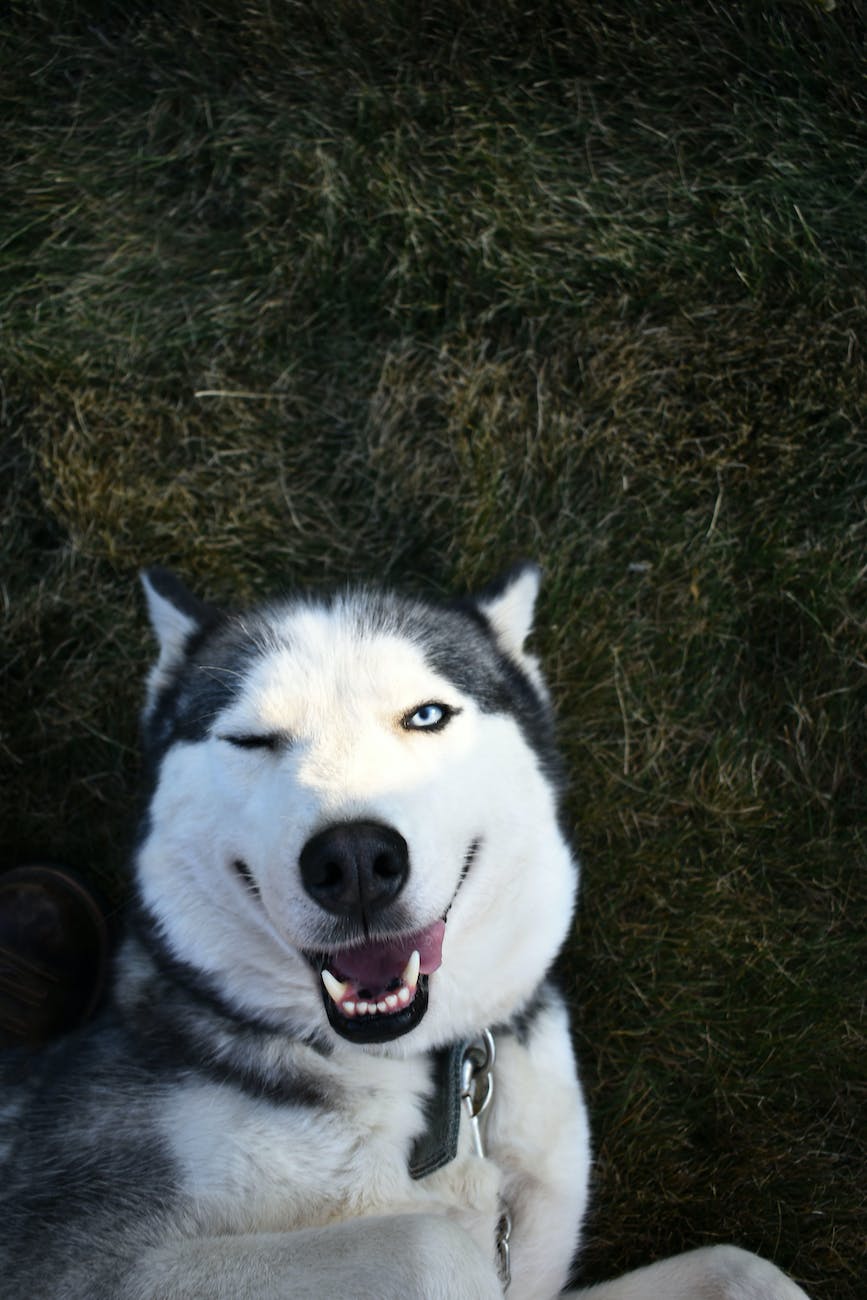
Pet Collars: Choosing the Right One for Your Furry Friend
Getting a collar for your pet is among the most daunting and stressful tasks. You are looking for something that is a combination of comfort, support, and safety while knowing there’s a chance your pet may simply refuse to acknowledge the collar. However, considering the importance they offer, it is always best to choose a collar that is not only stylish but incredibly functional.
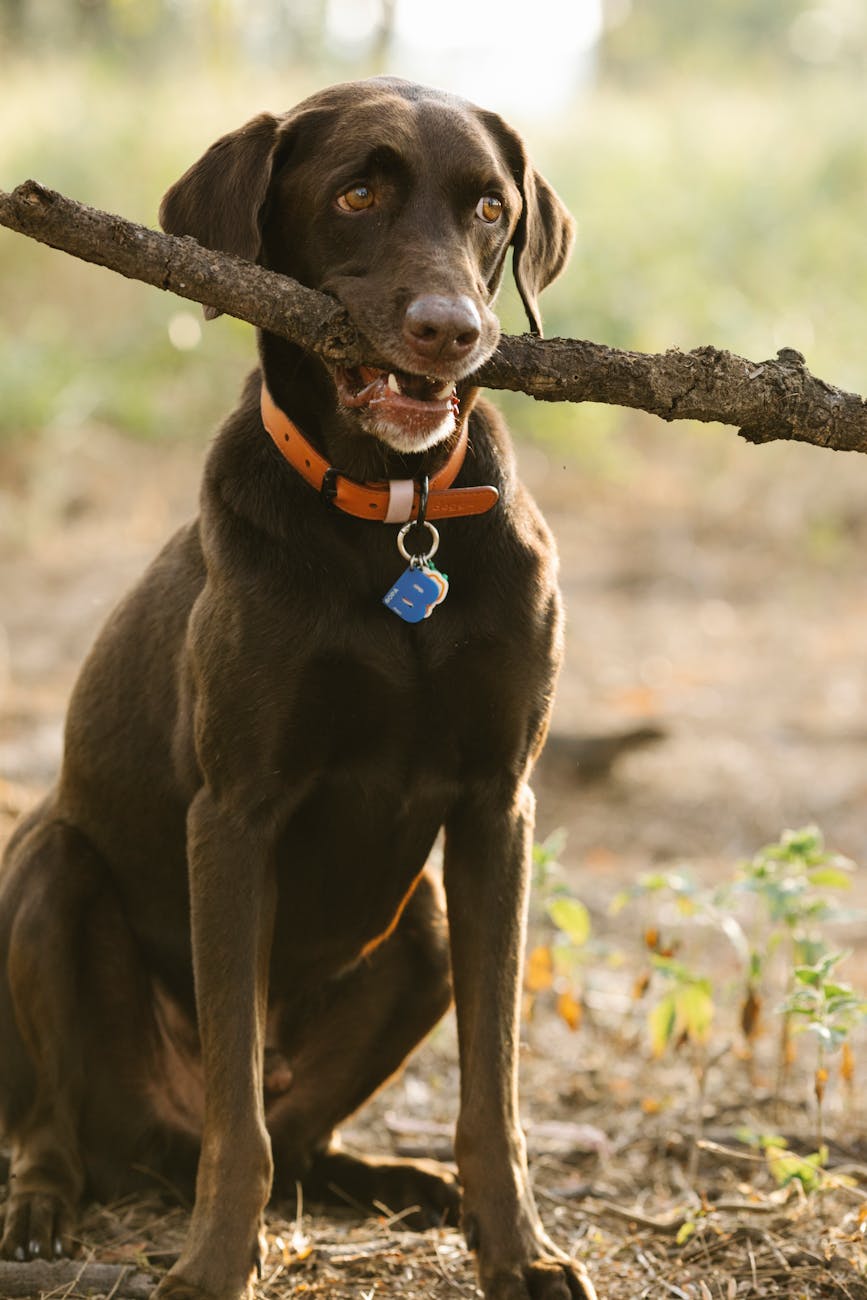
Here’s how to achieve this:
- Selecting the Right Size
The crucial step is choosing pet collars that fit your pet properly. A fitted collar can be uncomfortable. Even pose a risk of injury to your furry friend. To find the size of your pet's collar, measure their neck circumference using a tape measure or string.
Make sure there is space between your pet's collar and neck for comfort and movement while avoiding much slack that could lead to slipping off. Remember that young puppies and kittens grow quickly, so checking their collar fit as they grow is important.
- Choosing the Right Material
Pet collars are available in various materials that cater to pet owners and their pets' preferences and requirements. Some materials commonly used for collars include nylon, leather, fabric, and chain-linked metal. If you are choosing any of them, here is a quick brief about their advantages and use:
- Nylon collars are lightweight and great for walking or outdoor adventures because of their durability. They come in colors and patterns. They are water-resistant, making them excellent for use during outdoor adventures.
- Leather collars have a sophisticated appearance and are generally more long-lasting than nylon ones. However, they shouldn’t be exposed to water to avoid damage.
- Fabric collars come in designs ranging from timeless prints to patterns suitable for all seasons or occasions. While they may not be ideal for use or active pets that enjoy jumping into puddles, they can still work well as fashionable accessories on less active days.
- Chain-linked metal collars, also called choke chains, are mainly used for training. It's crucial to remember that these should only be used with the guidance of a dog trainer to prevent any unexpected pet injuries.
- Considering Safety Measures
When choosing a collar for your pet, safety should be your priority. Keep an eye out for the following features to ensure your friends well being:
- Breakaway Buckle: A breakaway clasp is designed to open under pressure, allowing your pet to break loose if its collar gets snagged while it's out playing or exploring. This safety feature helps prevent mishaps or injuries to the neck area.
- Reflective Material: Collars featuring strips or materials enhance visibility due to low light during evening or early morning walks. This added visibility helps keep you and your pet safe by making you more noticeable when vehicles pass you.
- Adjustable Straps: Collars with straps allow you to customize the fit for your pet and make adjustments as they grow or if their weight fluctuates due to health conditions.
- Choosing the Right Style
Pet collars are available in a variety of styles, giving pet owners the chance to choose a design that fits their needs:
- Basic Collar: A straightforward nylon collar offers simplicity and utility without frills. These collars typically have a snap buckle closure for hassle-free removal when needed.
- Personalized Collar: Make a statement by selecting a collar that can be personalized with your pet's name and contact details.
- Stylish Collar: If you want your furry friend to stand out from the rest, think about getting a collar with designs, colors, or even trendy add-ons, like bows or charms.
Bottomline
Choosing a pet collar is a matter that should be dealt with with great care and consideration, as a harsh and low-quality collar will make your pet uncomfortable while also jeopardizing their safety. Instead, consider taking ample time to decide the kind of collar that is best suitable for your pet. Make sure that you are getting a collar that isn’t too tight (it can restrict airflow) or too loose (and gives room for your pet to snatch and run away).
- Residential Driveway Planning Guide: Materials, Drainage, Installation, and Maintenance - August 20, 2026
- A Flexible Zion National Park Itinerary for Hikers, Families, and Scenic Road Trippers - August 20, 2026
- Persistent Odors Need Source-Level Treatment: FIRESTONE Restoration Provides Professional Ottawa Sanitizing Services - August 20, 2026