How Heat Pumps Are Transforming Home Heating
Key Takeaways
- Heat pumps offer an energy-efficient alternative to traditional heating systems.
- Advancements in technology have improved their performance in various climates.
- Government incentives are accelerating the adoption of heat pumps.
- Proper installation and maintenance are crucial for optimal performance.
Table of Contents
- Introduction
- What Are Heat Pumps?
- Technological Advancements
- Government Initiatives and Incentives
- Installation and Maintenance
- Environmental Impact
- Cost-Benefit Analysis
- Conclusion
Modern homeowners are increasingly turning to sustainable, efficient technologies to keep their living spaces comfortable year-round. One technology leading this transformation is the heat pump, which can handle both home heating and cooling needs while consuming far less energy than traditional HVAC systems. If you’re considering an upgrade, understanding what a heat pump offers and how to manage heat pump installation for your home in Ontario can help you make a confident decision for your family and the planet.
Unlike furnaces or air conditioners that often rely on fossil fuels or electric resistance heating, heat pumps harness environmental energy, making them a cornerstone of sustainable living. With technology improving and incentives growing, the case for a heat pump has never been stronger.
What Are Heat Pumps?
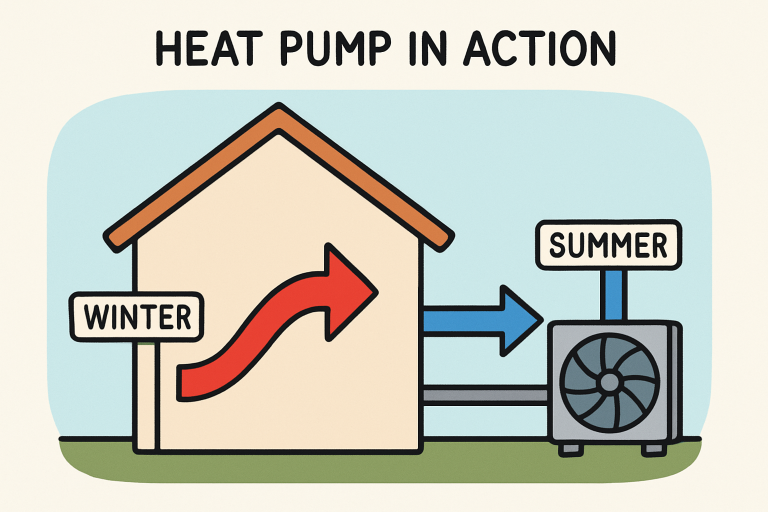
Heat pumps are sophisticated devices designed to move heat rather than generate it directly. In the winter, they extract warmth from the outside environment, be it air, ground, or water, and transfer it indoors. During warmer months, the process reverses to expel heat from inside the home, acting as an air conditioner. Because heat pumps transfer existing heat, they can deliver up to three times as much heating energy as the electrical energy they consume.
This efficiency makes heat pumps an excellent option for year-round comfort, improved indoor air quality, and lower utility bills. Many heat pumps operate quietly and offer reliable performance across a wide range of climates.
Technological Advancements
Several innovations have addressed earlier limitations of heat pump technology, making it viable in regions with severe winters or space constraints. Cold climate heat pumps now use advanced refrigerants and variable-speed compressors to maintain high efficiency even as temperatures drop below freezing. Smart features, such as programmable thermostats and Internet of Things (IoT) integration, allow users to monitor and adjust performance remotely, often leading to significant energy savings.
These advancements, combined with modular designs and compact outdoor units, mean more homes than ever can benefit from heat pump technology. According to the U.S. Department of Energy, continued research and manufacturing improvements are expected to make heat pumps even more efficient and accessible in the years to come.
Government Initiatives and Incentives
Recognizing the environmental and economic advantages of heat pumps, governments across North America and Europe have launched extensive programs to encourage their uptake. In the U.S., a coalition of 25 state governors from the U.S. Climate Alliance, in collaboration with the Biden administration, has pledged to quadruple the number of heat pumps in American homes by 2030 from 4.7 million to 20 million. Heat pumps, which both heat and cool buildings with minimal electricity, reduce the need for fossil fuel-burning systems and significantly cut greenhouse gas emissions. Buildings currently contribute over 30% of global emissions. The effort is part of a broader initiative to reach zero emissions by 2050.
These financial incentives significantly lower the barrier to entry, allowing homeowners to recoup their investment faster. Utility companies in many areas also offer rebates or time-of-use pricing plans that further reduce the operational cost of running a heat pump.
Installation and Maintenance
To maximize the benefits of a heat pump, professional installation is essential. A certified technician will assess your home's insulation, size, and existing ductwork before recommending the right system type and size. Proper placement of both indoor and outdoor units ensures optimal airflow and efficiency. Regular maintenance, such as replacing filters, inspecting refrigerant levels, and checking connections, extends system longevity while maintaining energy savings.
Ongoing Care Tips
- Check and clean filters every 1-2 months.
- Schedule annual inspections before the start of heating and cooling seasons.
- Promptly address any system alarms or performance drops.
Environmental Impact
As homes account for a significant share of global energy use and carbon emissions, switching to a heat pump has a meaningful impact on the environment. Traditional heating systems, especially oil or gas furnaces, emit greenhouse gases as they burn fuel. In contrast, heat pumps operate on electricity and, when powered by renewable sources, offer a nearly zero-emission solution for home comfort.
The shift to heat pump technology is part of a broader decarbonization strategy supported by organizations such as the International Energy Agency, which urges global adoption to cut residential emissions and improve seasonal energy efficiency.
Cost-Benefit Analysis
While heat pumps often require a higher initial investment than conventional HVAC systems, the long-term savings are impressive. Lower monthly energy bills, reduced maintenance requirements, and strong government incentives can make the lifetime cost attractive. Homeowners who take advantage of rebates and other support often see payback periods of 5 to 7 years, while enjoying a quieter, more versatile, and environmentally friendly heating system.
Furthermore, a quality heat pump installation can add value to your property, making it a future-proof choice for sustainable homeownership.
Conclusion
The transformation of home heating is well underway, led by the surge in heat pump adoption. Technological advancements have eliminated climate restrictions, while government support has made installation affordable for more people than ever. For anyone seeking efficient, eco-friendly climate control, heat pumps offer an exceptional solution delivering savings, comfort, and environmental benefits for years to come.
- Residential Driveway Planning Guide: Materials, Drainage, Installation, and Maintenance - August 20, 2026
- A Flexible Zion National Park Itinerary for Hikers, Families, and Scenic Road Trippers - August 20, 2026
- Persistent Odors Need Source-Level Treatment: FIRESTONE Restoration Provides Professional Ottawa Sanitizing Services - August 20, 2026