Heartworm Prevention: Essential Steps to Protect Your Dogs and Cats
Key Takeaways
- Mosquitoes transmit heartworm disease and can affect pets in all 50 states.
- Year-round prevention is essential, as mosquitoes can be active even during colder months.
- Annual testing ensures early detection and treatment, safeguarding your pet's health.
Understanding Heartworm Disease
Heartworm disease, transmitted through mosquito bites, is a dangerous parasitic infection affecting dogs and cats. It causes severe damage to the heart, lungs, and blood vessels, leading to life-threatening complications like heart failure and organ damage. Pet owners seeking reliable veterinary care should consider finding an animal hospital near me for expert advice and assistance in establishing a heartworm prevention routine. Early infection often goes unnoticed, as symptoms can be very subtle or mistaken for other common illnesses. This makes education and vigilance even more critical in protecting our animals.
Recognizing the seriousness of heartworm disease, veterinarians strongly encourage pet owners to focus on prevention through routine checkups, yearly blood testing, and consistent use of preventive medication. Annual testing plays a crucial role in detecting the disease early and confirming that preventive treatments remain effective. Even a single missed dose of medication can expose your pet to infection for several weeks, making consistent prevention essential to their long-term health and safety.
Why Year-Round Prevention Is Crucial
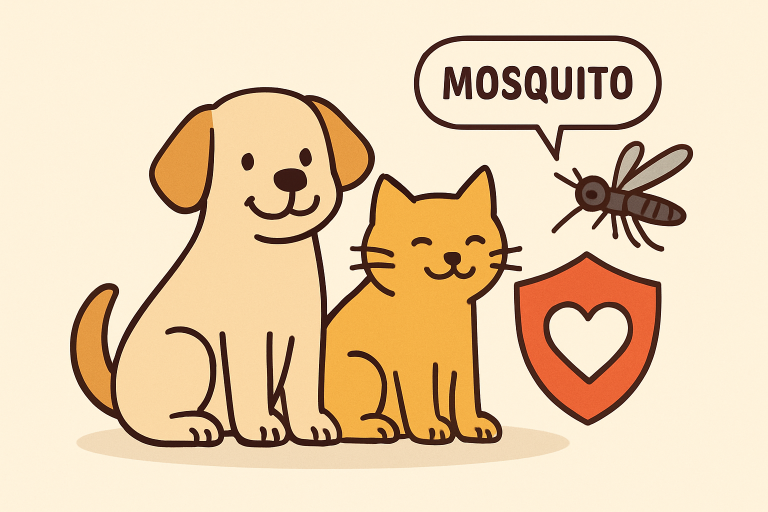
Many people mistakenly believe that heartworm prevention is only needed during spring and summer. However, mosquitoes – the only carriers of heartworm larvae – can survive year-round in many areas. Mosquitoes easily get indoors during colder months, continuing to threaten pets even when outdoor temperatures drop. For this reason, veterinarians strongly recommend continuous, year-round protection. Heartworm disease has been reported in all 50 states, no matter the climate. Skipping preventive medication, even for a short time during what you think is a “low-risk” season, is never worth risking your pet’s health.
Available Preventive Measures
Pet owners now have access to a range of FDA-approved preventive heartworm medications tailored to different needs and preferences. These include monthly oral tablets, topical treatments applied to the skin, and an annual injection administered by your veterinarian. Each of these options works by eliminating heartworm larvae before they have a chance to mature and cause harm. The ideal choice depends on your pet’s health status, lifestyle, and your ability to maintain a consistent schedule. An honest conversation with your veterinarian will help determine which form of preventive care fits best into your routine. Regardless of the chosen method, consistency is absolutely key. Even short lapses can undo months of successful prevention.
The Importance of Annual Testing
Yearly blood tests are central to an effective heartworm prevention plan. Testing ensures that the preventive measures are working as expected and can quickly identify an infection if it occurs. If a pet is found to be positive, quick intervention can significantly improve outcomes and prevent severe disease progression.
Additionally, annual testing is an excellent opportunity to review your preventive plan, discuss any observed changes in your pet’s health or habits, and update your veterinarian about travel plans or environmental changes that might impact your pet’s risk level.
Special Considerations for Cats
Feline heartworm disease deserves special attention. Unlike dogs, cats have no approved treatment if they become infected with heartworms. Even a single worm can cause devastating respiratory and cardiac issues. This makes strict, year-round prevention the only safe strategy for cat owners. Cats who live exclusively indoors are still at risk; mosquitoes can and do enter homes. The American Heartworm Society states that even strictly indoor felines require ongoing preventive protection. Regular checkups and testing remain crucial for cats. Because symptoms in cats can be even more vague than in dogs—often mimicking other illnesses—it’s easy for owners to overlook early warning signs.
Environmental Management to Reduce Risk
Beyond medication, practical steps can drastically lower your pet’s exposure to heartworm-carrying mosquitoes. Eliminate standing water sources, such as clogged gutters, birdbaths, and plant saucers. Make sure all windows and doors are equipped with screens in good repair. Keep pets indoors during dawn and dusk, when mosquito activity peaks, to reduce risk further. These simple precautions can enhance medical precautions and create an extra layer of safety.
Conclusion
Heartworm disease remains one of the most dangerous—yet most preventable—diseases impacting cats and dogs today. By understanding how the disease spreads, staying diligent with year-round prevention and annual testing, and proactively managing your environment, you are taking essential steps to protect the pets you love. Consult your veterinarian to develop and maintain a heartworm prevention strategy tailored to your pet’s unique needs, ensuring many healthy, happy years together.
- Residential Driveway Planning Guide: Materials, Drainage, Installation, and Maintenance - August 20, 2026
- A Flexible Zion National Park Itinerary for Hikers, Families, and Scenic Road Trippers - August 20, 2026
- Persistent Odors Need Source-Level Treatment: FIRESTONE Restoration Provides Professional Ottawa Sanitizing Services - August 20, 2026