Empowering Patients: The Transformative Benefits of Clinical Trial Participation
Key Takeaways
- Participants gain access to cutting-edge treatments and comprehensive medical care.
- Financial support and policy changes are reducing barriers to participation.
- Decentralized trials and technological innovations are enhancing accessibility and diversity.
Introduction
Clinical trials connect medical research and real-world patient care, offering participants early access to innovative treatments and medical procedures. By joining these studies, individuals contribute to the progress of medicine while gaining potential benefits such as additional treatment options and attentive medical oversight. It’s natural for patients and their families to have questions, including what will happen if I join clinical trial, or concerns about the process. Understanding clinical trials' purpose, structure, and safeguards can help clarify expectations, reduce uncertainty, and support informed decisions rooted in transparency and trust.
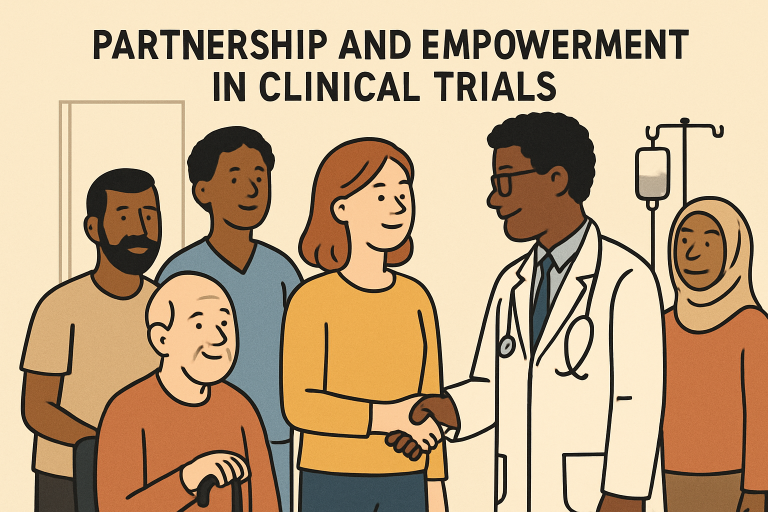
Engaging in a clinical trial empowers individuals to become active partners in healthcare progress. Trials are carefully designed to ensure safety and rigorous scientific standards, and volunteers are supported not only medically but often with logistical and even financial assistance to make participation feasible. As policies evolve and new technologies emerge, more doors have opened for patient engagement, making clinical trial involvement a real opportunity for people from all backgrounds.
Far from being passive bystanders, clinical trial volunteers have long been the unsung heroes in advancing next-generation medicine. Their contributions build the foundation for disease breakthroughs and improved therapies, directly impacting the well-being of future patients and families. With rising awareness and greater support than ever before, participating in research has never been more accessible or rewarding.
As these benefits become better known, the motivations to consider involvement have expanded. The landscape is shifting rapidly: decentralized research models, broader financial reforms, and increased transparency bring clinical solutions closer to home and break down barriers for underrepresented groups. To learn more about clinical trial basics, the National Institutes of Health offers a comprehensive overview here.
Access to Innovative Treatments
One of the most compelling incentives for joining a clinical trial is the prospect of gaining access to experimental treatments before they are widely available. For people managing chronic or life-threatening illnesses—especially those facing limited approved therapies—this can represent a genuine lifeline. Candidates in clinical research frequently benefit from next-generation medications, biologics, or devices, giving them alternatives that aren’t accessible through traditional care models. These promising interventions are closely monitored by specialized teams dedicated to patient safety and scientific rigor at every step.
Comprehensive Medical Care
Beyond providing access to new treatment options, clinical trials place a premium on participant health monitoring. Volunteers receive thorough initial evaluations and ongoing assessments that often surpass standard care protocols. Dedicated medical professionals keep a close watch on health changes, side effects, and overall progress, ensuring that participants receive the highest standard of care. This can offer peace of mind, especially for those with complex or evolving health needs.
Financial Support and Compensation
Recognizing the time, commitment, and travel involved, many modern clinical trials include compensation and expense reimbursement for participants. This might cover transportation, time away from work, or even childcare. Financial support acknowledges the important role of volunteers and helps address barriers to entry—yet access to compensation is not universal. According to a 2025 Mural Health survey, 60% of trial participants who received reimbursement said it directly enabled their involvement, but nearly 58% reported receiving no reimbursement. Standardized support remains a critical challenge as sponsors and policymakers seek to ensure fair access and reduce the economic burden for volunteers.
Policy Changes Enhancing Accessibility
Real strides are being made to increase trial inclusion by removing longstanding participation barriers. Recent legislation, including the Clinical Trial Modernization Act, has garnered support across patient advocacy groups and the medical community. This landmark effort empowers sponsors to cover medical and non-medical costs—extending reimbursement to travel, lodging, and even family care as needed—so that logistical and financial constraints no longer sideline willing participants. Such policies are crucial for expanding research participation and ensuring the results are representative of real-world populations.
Decentralized Trials: Bringing Research to Participants
Innovative technologies and remote research models, known as decentralized clinical trials, have considerably widened access. These trials harness telemedicine, wearable devices, and home-based data collection, allowing patients to engage from the comfort of their homes. Eliminating the need for frequent site visits and reducing travel time makes it easier for rural, working, or mobility-limited individuals to participate. Furthermore, new studies have shown that decentralized trials can significantly improve diversity. For instance, Medable Inc. reported a notable increase in participation rates from Asian, American Indian, and Alaska Native communities, marking an important step toward more inclusive research.
Contributing to Medical Advancements
Clinical trial participants help chart the course for tomorrow’s medicine. Their involvement allows researchers to gather real-world evidence on the safety and effectiveness of therapies, medical devices, and treatment strategies across diverse populations. Every volunteer’s experience and data help refine protocols, accelerate timelines for approvals, and ultimately unlock therapies for widespread patient benefit. Without volunteer participation, groundbreaking discoveries could remain out of reach for years.
Addressing Ethical Considerations
Strong ethical principles form the foundation of every clinical trial, ensuring that participants' rights, safety, and well-being remain the highest priority. Before joining, individuals go through an informed consent process where they receive clear explanations about the study’s purpose, procedures, possible risks, and expected benefits. This empowers participants to make voluntary, well-informed decisions and allows them to withdraw at any stage without penalty. Oversight is maintained by independent review boards and regulatory agencies that continually evaluate safety measures, privacy protection, and data integrity. These safeguards uphold scientific transparency and accountability, ensuring that every clinical trial meets rigorous ethical and legal standards designed to protect participants and preserve the integrity of medical research.
Conclusion
The benefits of participating in clinical trials extend beyond individual health improvements to shaping the broader landscape of modern medicine. Participants often gain access to advanced treatments, personalized care, and close medical monitoring that may not be available through standard options. At the same time, their involvement drives critical discoveries that lead to safer, more effective therapies for future patients. With enhanced ethical standards, transparent oversight, and expanding opportunities for diverse populations, joining a clinical trial has become a well-supported and secure choice. Through stronger regulations and innovative research approaches, individuals can confidently contribute to meaningful progress in healthcare—knowing their participation helps bridge the gap between scientific innovation and real-world patient well-being.
- How to Develop a Consistent Golf Swing - May 12, 2026
- Ensuring Electrical Panel Safety in Boulder, CO Homes: A Comprehensive Guide - May 11, 2026
- Comprehensive Care: Innovations in Wellness and Recovery - May 11, 2026