
Read the Dough Shape Before Beginning to Roll
Our guides are independently written. Some shopping links may earn us a commission when identified as affiliate links, at no extra cost to you. Read our disclosure.
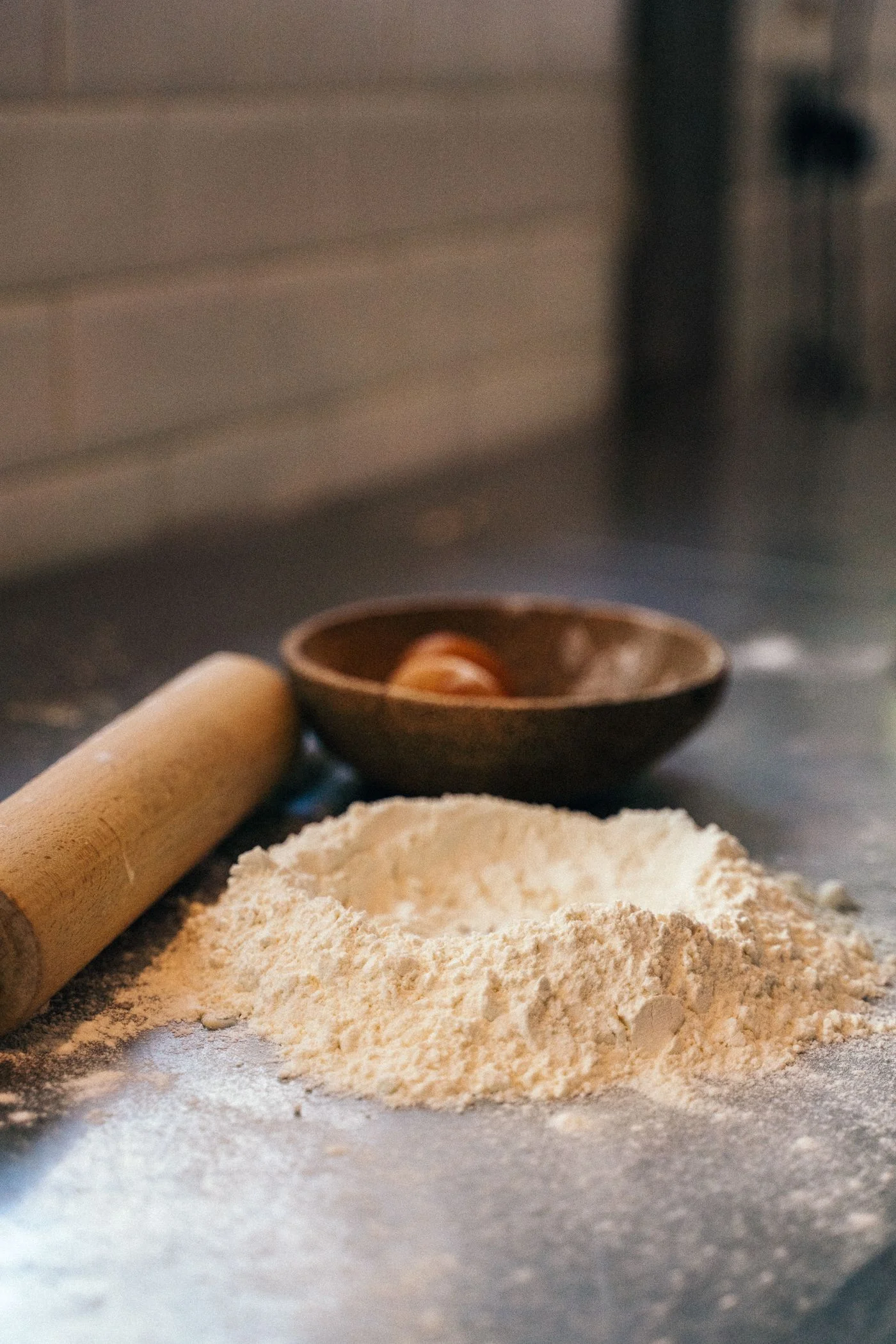
A dough can be rolled neatly and still be the wrong shape for the next recipe stage. Read the required outline and dimensions before beginning. A circle, rectangle or another stated form may have a practical relationship to cutting, folding or the pan, rather than being an optional visual preference.
Find the complete shape instruction
Read the method around the rolling stage and the action that follows it. Keep any stated dimensions, thickness and orientation together. A finished-food picture does not necessarily reveal the original dough shape or the sequence used to achieve it.
If the instruction is unfamiliar, seek a reliable explanation before preparing the dough. Do not invent dimensions from a photograph or assume that a shape remembered from another recipe applies here. The chosen method should remain the reference throughout the stage.
Prepare a readable size reference
Write the actual dimensions with their units on a separate working note if that helps. Keep it where it can be read without placing unsuitable paper in direct food contact. A small clear reference can prevent repeated searches through a book while the dough is being handled.
Use suitable measuring equipment where the method requires it. Keep a pastry mat's printed markings distinct from the recipe's actual instruction. The fact that a rectangle is printed on the mat does not make that the required outline for every bake.
Give the tool room to move
Choose an appropriate clean stable working surface and follow the recipe's handling directions. Include the rolling tool's full length, the hands using it and space beyond the dough. A narrow gap between bowls can encourage an unintended shape simply because that is all the room available.
Keep later ingredients in their appropriate conditions until the method needs them. The rolling stage does not have to compete with every topping or finishing component spread around the worktop at once.
Check before the next action
Compare the prepared shape with the actual written instruction before cutting, filling or transferring. Follow the recipe's method for any adjustment rather than adding an improvised series of folds or repeated handling to chase an image.
Set the suitable next pan, tray or other destination in place before the dough reaches that point. An occupied tray should not force another change of shape or route at the last moment. Keep the transfer appropriate to the food and equipment.
After the session, note any instruction that needed clarification before repeating the recipe. A useful rolling plan keeps shape, size and next stage connected. It allows the counter and tools to support the recipe, rather than letting their accidental arrangement become an unplanned new method.
Related reading
Keep the Weekend Cookie Equipment Group Bounded, An Empty Stretch of Worktop Can Help the Room.
More considered choices, fewer impulse buys.
Read our editorial standards →